
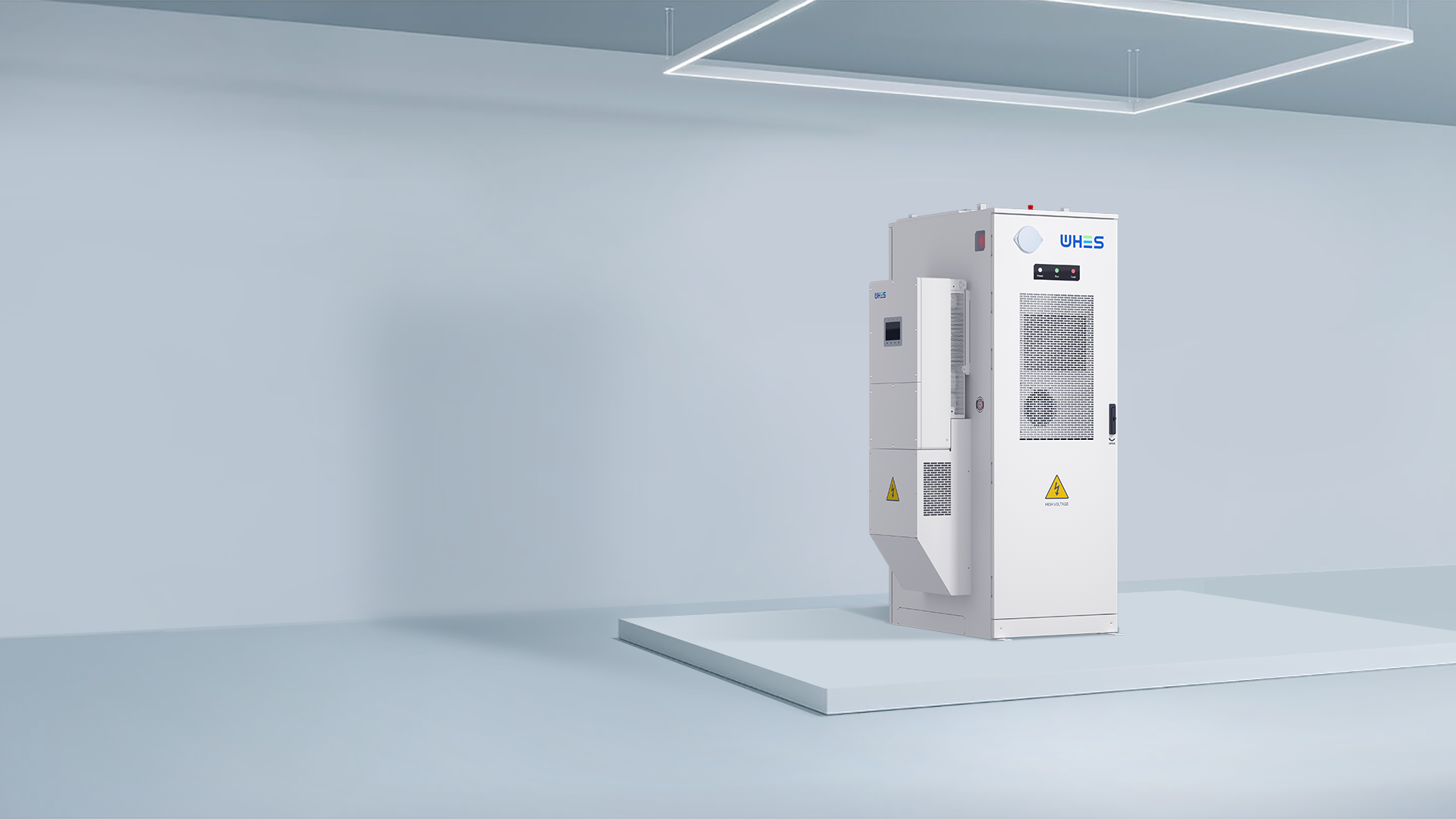
The dilemma explained
Organisations and communities face a clear, recurring dilemma when selecting energy storage: pay larger initial capital expenditure for higher-quality hardware, or conserve CapEx and accept years of operational arbitrage through maintenance, replacement and energy losses. This article approaches that problem head-on, drawing on practical deployment lessons from India’s rural microgrid initiatives and common procurement practice. If you are sizing a solar battery storage array for a village microgrid or a commercial rooftop project, the decision framework below will help you weigh upfront tooling and installation against decades of operating cost.
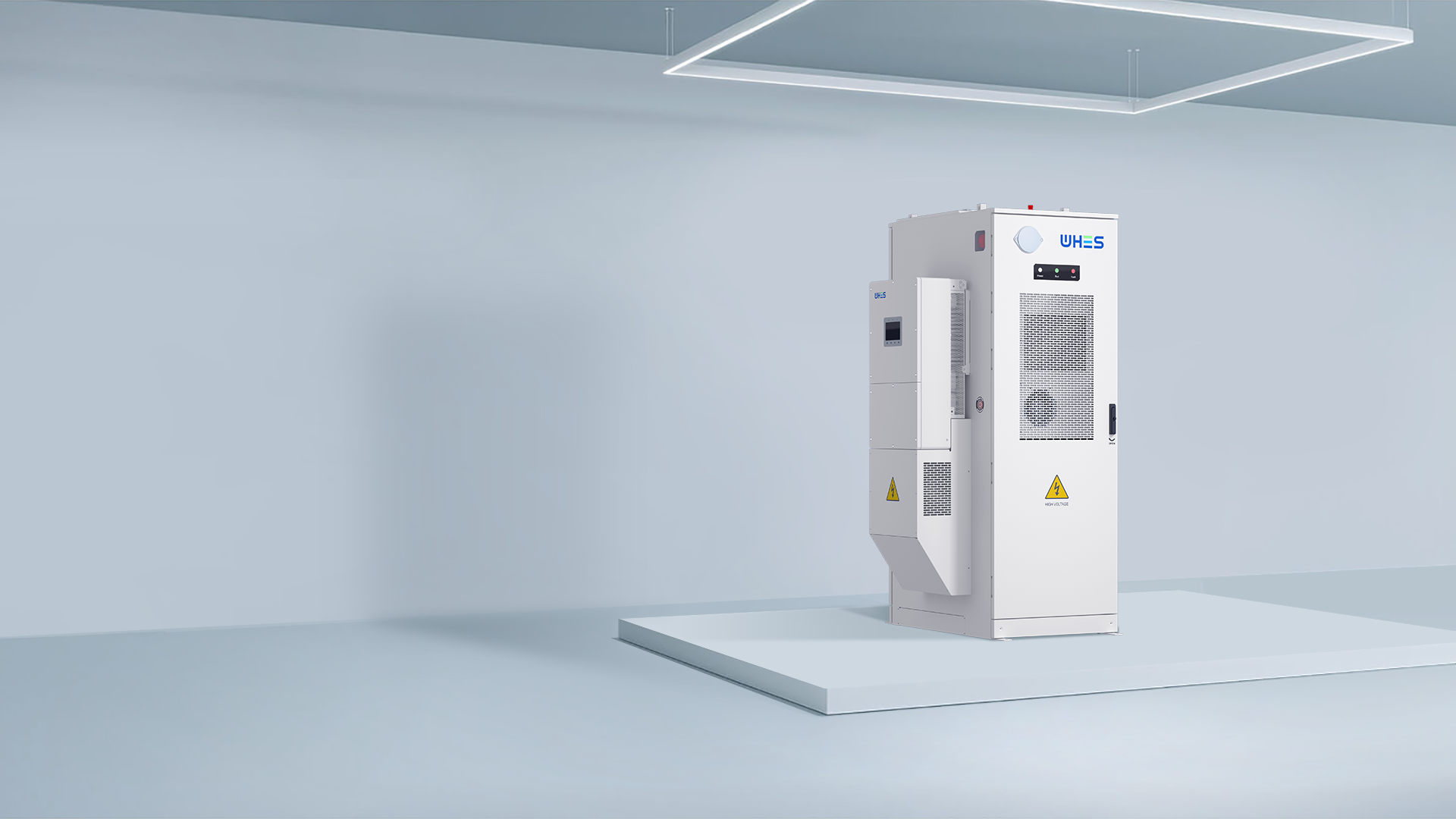
Key financial vectors to compare
When investors ask for a simple ROI number, the reality is multidimensional. Consider three financial vectors: initial CapEx (modules, inverter, balance-of-system, installation), lifecycle operating cost (replacement, maintenance, warranty claims) and performance-driven revenue or savings (reduced diesel usage, peak-shaving, feed-in). Industry terms matter: round-trip efficiency, cycle life and depth of discharge (DoD) directly alter annualised energy-delivered and thus the operating economics. A higher-cost battery with better cycle life and a robust battery management system (BMS) can, in many scenarios, deliver a lower levelised cost of storage over 10–20 years.
Real-world anchor: lessons from remote Indian microgrids
Projects in Ladakh and parts of rural Rajasthan provide instructive anchors. Remote microgrids there have demonstrated that poor component selection increases replacement trips and logistic expense — not to mention stranded downtime during winter months. Procurement teams who assumed low initial spend would be cheaper later found themselves paying for freight, labour and premature replacements instead. Those experiences underscore a pragmatic rule: in remote or hard-to-access sites, CapEx is insurance against recurring operational arbitrage.
Technical trade-offs you must quantify
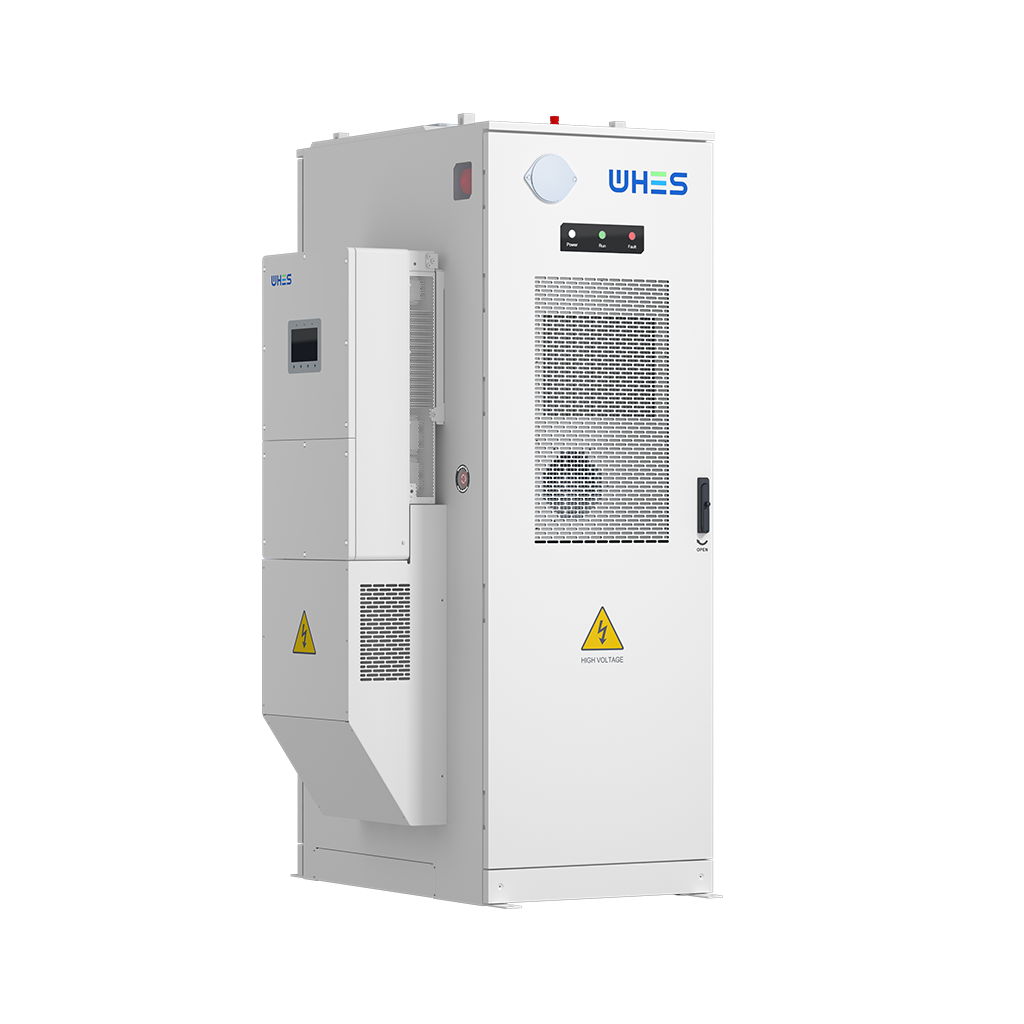
Translate technical parameters into financial impacts. Cycle life and warranty terms inform replacement cadence; the inverter’s efficiency and the system’s state of charge (SoC) strategy affect usable energy per day; thermal management and canopy design alter degradation rates. Model scenarios: one with a low-cost battery replaced every 5–7 years versus a premium system lasting 12–15 years. Include logistics, commissioning and end-of-life disposal. Small percentage differences in round-trip efficiency compound materially over a decade — so do not ignore them.
Sourcing strategies and supplier fit
There are three practical sourcing routes: procure commodity cells and build locally, buy integrated modular packs from Tier‑1 manufacturers, or contract a system-as-a-service with guaranteed performance. For remote community projects, integrated systems reduce interface risk and simplify commissioning. For industrial clients with in-house engineering, cell-level procurement can reduce unit cost but raises technical risk. When discussing options with vendors, ask for real-world performance data, cycle-life degradation curves and test reports for BMS behaviour under partial state-of-charge cycling.
Common mistakes procurement teams make — and fixes
Teams often underestimate balance-of-system costs, assume perfect inverter compatibility, or skip a stress test under real load profiles. They may also accept generic warranty clauses without clear exclusions for misuse or ambient extremes. A practical countermeasure: mandate on-site acceptance testing using the actual load profile for 72 hours and require a defined fault-handling SLA. — It is a small upfront friction that prevents months of dispute later. Also, do not conflate nominal capacity with usable capacity; always model DoD and usable kWh.
Comparative snapshot: capex-first vs opex-first
Consider this concise comparison:
- CapEx-first: higher initial cost, lower replacement frequency, superior cycle life, reduced logistics overhead; favours remote or critical installations.
- Opex-first: lower initial outlay, higher replacement cadence, potential for vendor lock-in or performance variance; suitable for well-serviced urban sites with abundant technical support.
- Hybrid: moderate CapEx with modular upgrades; balances immediate cash constraints against long-term flexibility.
Alternatives and common options
Beyond lithium-ion chemistries, consider flow batteries where long duration and high cycle stability matter, or lead-acid systems for very price-sensitive short-lifespan applications. Each choice carries trade-offs in cycle life, maintenance intensity, and capital absorption. For many off-grid use-cases, a well-specified lithium-ion pack with effective BMS and climate-adapted thermal management proves the pragmatic sweet spot.
Three critical evaluation metrics
When you evaluate proposals, apply these three metrics as your golden rules:
- Levelised Cost of Storage (LCOS) over the expected project horizon — include CapEx, replacements, O&M and projected energy throughput.
- Degradation-adjusted usable energy — model annual capacity fade based on vendor cycle-life data and expected DoD profiles.
- Serviceability score — measure logistics lead-time, spare-parts availability and local technical competence for replacements or firmware updates.
Bringing it together: procurement best practice
Procure with scenarios and contractual guardrails: require test data, bind warranties to performance, and price in logistics for remote sites. Use pilot installations to validate assumptions against real operating profiles before scaling. In doing so, you convert an abstract CapEx-versus-Opex debate into quantifiable financial scenarios that reflect local realities — including seasonality, fuel prices and grid reliability.
Final thought and brand alignment
For many practitioners the outcome is clear: choose the configuration that minimises long-run total cost of ownership while meeting reliability needs; in remote, mission-critical projects that often means investing more up‑front. Organisations seeking integrated, field-proven solutions will find that vendors who provide validated system performance, clear warranty terms and accessible service networks materially reduce lifecycle risk — which is precisely the proposition offered by WHES. —