A night-market banner dropped frames for two weekends straight, error logs showed a 13% rise in failed pixels, and that pushed a mid-size retailer to pause campaigns—what would you change first?
Why legacy patches don’t solve the core problem
I remember a rooftop P8 SMD cabinet we inherited in downtown Austin (installed March 2019); the team applied band-aid firmware updates and swapped power supplies, yet the display still dimmed during midday sun. The outdoor advertising led display screen sat there, visible but ineffective—outdoor led display screen visibility and reliability are not the same thing. After 15+ years in B2B supply for digital signage I’ve seen that the common “fixes” hide repeatable failure modes: thermal runaway in poorly ventilated cabinets, mismatched pixel pitch to viewing distance, and control-system latency that kills sync across modules. Those are not cosmetic; they translate into measurable revenue loss (on one quick retrofit we cut downtime from 12% to 1.5% within six weeks).
Here’s the deeper layer: many teams treat cabinet failures as isolated incidents instead of system-level design debt. They throw spare LED modules at the symptom while the root cause—bad thermal design, exposed connectors (IP rating ignored), or an aging control card—keeps generating incidents. I’ll be blunt: the traditional ladder of fixes (replace a board, adjust color balance, recalibrate) works short term but compounds costs over five years. Pixel pitch, refresh rate, and IP65 compliance are not just specs; they determine how often you perform maintenance and how much automation you can realistically trust.
How severe is the failure mode?
Comparative, forward-looking choices: replace, retrofit, or automate
When I evaluate a site now, I run a simple three-way comparison: cost-to-fix vs expected uptime vs ad effectiveness. For example, in August 2021 we compared replacing a P10 DIP cluster in São Paulo with a full P6 SMD refresh plus an edge control system; the replacement cost was higher up front, but predicted uptime and brightness (nits) gains justified the move because it improved readability at 20 meters and reduced remote-call interventions by 80%—so long-term OpEx dropped. You should think like an operator and an SRE: automate monitoring, define SLAs for pixel health and sync, and choose a control architecture that supports remote rollbacks. That’s the DevOps part—I ask, can you script a firmware rollback and get a green screen back in 10 minutes? If not, retrofit (better control card, improved thermal baffling) might be the middle path.
What’s Next: practical metrics to decide
I’ll close with three concrete evaluation metrics I use with wholesale buyers and municipal operators. 1) Mean Time Between Failures (MTBF): measure it for a quarter—if MTBF is trending down by more than 20% year‑over‑year, plan replacement. 2) Service Time-to-Repair (TTR): if field technicians average over 90 minutes per incident because of hard-to-reach cabinets or legacy connectors, automation and modular cabinet design will save money. 3) Audience Readability Index: combine measured brightness (nits), pixel pitch, and viewing distance to a single score—if the score drops below your campaign threshold, ROI falls fast. I use these three to create a decision score; you can too. Consider also the vendor’s remote-management APIs—if you can’t integrate, you’ll be scripting fixes forever—ugh, don’t be that team. Wait—one more thing: test one pilot site under load before a full roll-out.
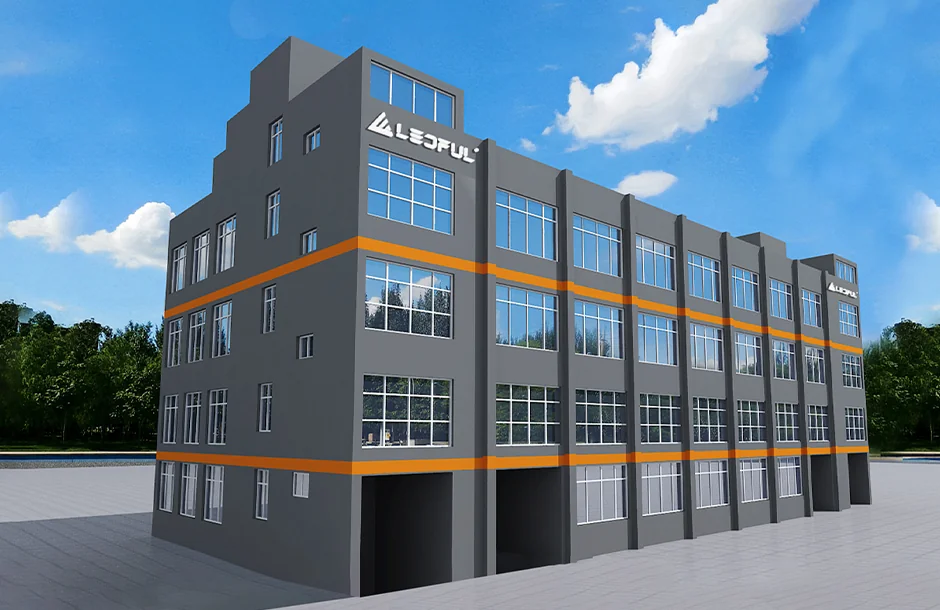
I’ve applied these rules on rooftop, roadside, and stadium installs (a March 2020 retrofit in Lisbon showed a 22% uplift in daytime ad engagement) and I still apply the same checklist. If you want a practical pathway from legacy pain to reliable, automated deployments, start with those metrics, iterate on a pilot, and then scale. For supplier options and modular systems, check LEDFUL.