
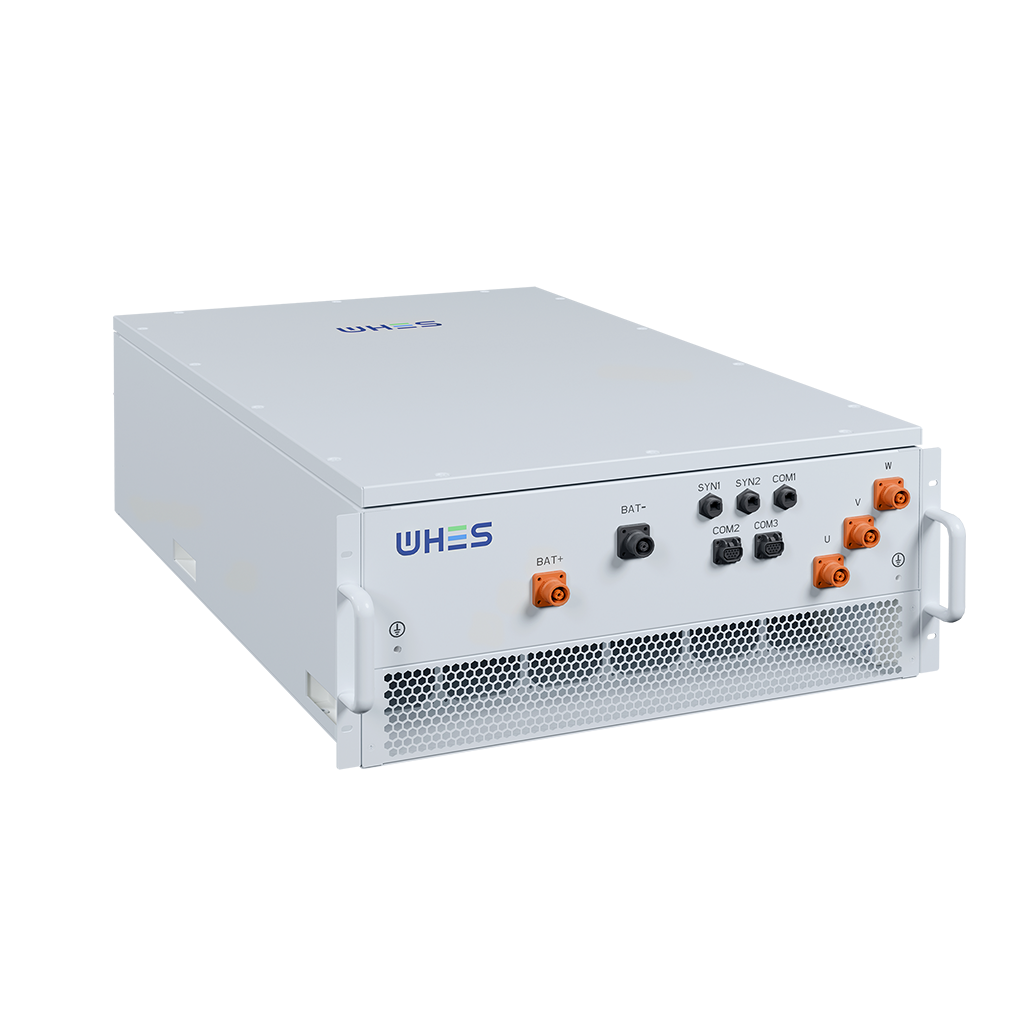
Opening: why a framework helps in off‑grid projects
When designing off‑grid systems, a repeatable evaluation framework keeps decisions objective and operational risks low — so we’ll use one here to compare controls, topology, and resilience. This approach is especially useful for sites that must run autonomously for days, from remote cabins to microgrids serving critical facilities. If you’re considering integrated options from the vendor ecosystem, starting with a clear framework makes it easier to assess solutions such as WHES’s home battery energy storage system against alternatives and technical needs. Real‑world outages like the Texas February 2021 winter storm underscore why robust EMS logic and tested islanding matter in practice — it’s not just theory when lives and operations depend on continuous power.
Framework overview: the five evaluation pillars
We recommend judging an intelligent EMS across five pillars: control architecture, electrical topology compatibility, resilience and safety, scalability and integration, and operational visibility. Control architecture checks whether the EMS supports centralized scheduling or distributed peer control. Topology compatibility looks at DC‑coupled vs AC‑coupled designs and three‑phase support. Resilience examines black‑start, anti‑islanding, and protective relay coordination. Scalability covers modular battery additions and VPP readiness. Operational visibility measures telemetry, remote firmware updates, and logging for root‑cause analysis. These pillars turn vague preferences into measurable requirements.
How WHES’s intelligent EMS maps to the pillars
WHES’s EMS emphasizes modular control and real‑time optimization: load forecasting, state‑of‑charge (SoC) management, and automated peak shaving routines. On control architecture it offers both site‑level scheduling and local inverter commands, which helps when a site needs fast inverter response plus longer‑horizon economic decisions. For visibility, the EMS supplies cloud telemetry and event logs useful during commissioning and after‑action reviews. Safety features include configurable relay coordination and SoC limits to preserve battery longevity. In short, WHES aligns with the core pillars most teams prioritize when resilience is a contract requirement — and it’s practical to test in stage gates during commissioning.
Topology choices and the role of three‑phase systems
Topology decisions significantly affect cost and performance. DC‑coupled systems are efficient for PV‑paired storage and reduce conversion steps; AC‑coupled systems can be easier to retrofit. For commercial and larger off‑grid sites, three‑phase architectures deliver balanced loading and simplified distribution. If you need industrial‑grade resilience and higher short‑term power, consider a 480v 3 phase battery backup configuration — it’s common in facilities where harmonics, neutral currents, or heavy motor loads are present. The EMS must speak the same language as your inverters and switchgear: ensure it supports the targeted nominal voltage, anti‑islanding thresholds, and transfer sequences before you commit.
Common mistakes teams make — and how to avoid them
Teams often underestimate three areas: realistic load profiling, commissioning rigor, and interoperability testing. First, using simplified load estimates can lead to undersized storage or frequent deep discharges. Second, weak commissioning (skip a full island test) hides sequence timing problems — which only appear under real outage stress. Third, assuming vendor components are plug‑and‑play without verifying protocol support (Modbus, CAN, SunSpec, or proprietary stacks) creates surprises. A practical mitigation: require FAT/PAT with your actual load bank and the EMS in island mode, and insist on a documented integration matrix for each protocol the system will use. — It’s tedious, yes, but it prevents costly rework later.
Alternatives and trade‑offs to consider
If WHES’s intelligent EMS doesn’t match a particular constraint, viable alternatives exist. Distributed EMS architectures (each inverter with local autonomy) reduce single‑point failure risk but complicate coordinated dispatch for VPP services. Centralized EMS can optimize across assets but needs robust redundancy and fast comms. Open‑platform controllers may lower long‑term vendor lock‑in but require deeper engineering support. Evaluate the trade‑offs against your site’s staffing and maintenance model — a remote commercial site with limited on‑site techs will favor more vendor‑managed systems, while university microgrids sometimes prefer open control for research flexibility.
Implementation checklist for reliable commissioning
Use this checklist as you move toward deployment:
– Define acceptance tests: island duration, transfer time, SoC floor, harmonics, and thermal limits.
– Verify communications: end‑to‑end protocol tests, latency under load, and failover paths.
– Run a staged island test with a programmable load bank and observe transfer sequences.
– Lock down cybersecurity: access control, OTA update policies, and logging retention.
– Plan for lifecycle: spare parts, firmware support windows, and clear firmware rollback procedures.
Three golden evaluation metrics
When selecting an EMS or validating WHES against alternatives, focus on these three metrics: 1) transfer and recovery time — measure end‑to‑end islanding and reconnection times under representative loads; 2) energy availability vs. declared capacity — verify usable kWh at required power ramps and temperature; 3) historical reliability and update cadence — inspect field MTBF/MTTR data and how often critical bug fixes are released. These metrics translate technical behavior into procurement criteria you can test and enforce in contracts.
For pragmatic off‑grid designs that require predictable performance and seamless integration, WHES represents a practical balance between modular hardware and intelligent EMS logic. —