
Why buyers feel stalled before they even start
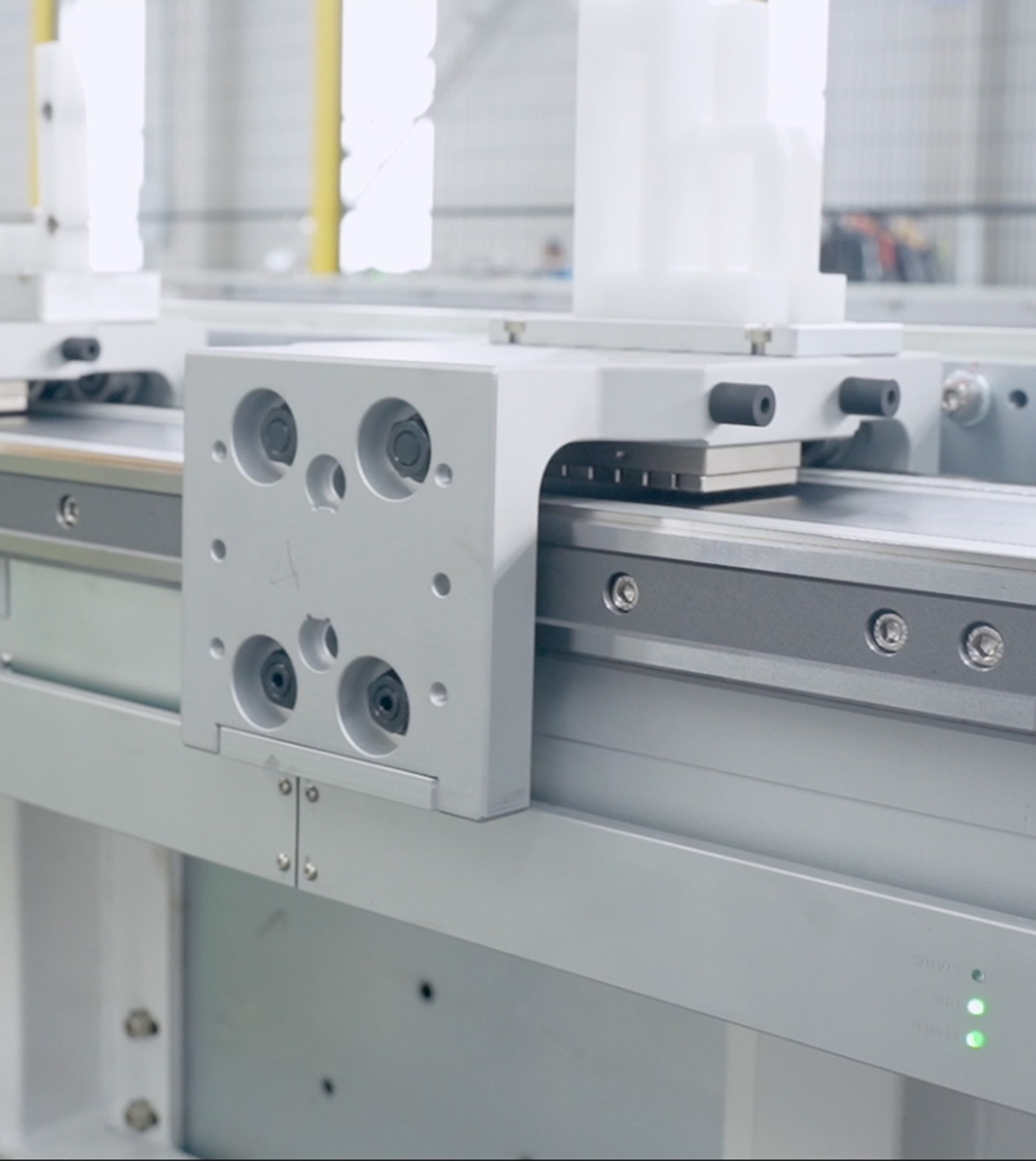
Most projects stop cold because a single mismatch shows up late: a conveyor that can’t adapt to a new part profile, or a stage that shudders under the load. When you begin by naming the problem—throughput dips, repeatability loss, or unexpected downtime—you avoid chasing shiny specs. A good place to picture the failure mode is the layout: will an intelligent conveyor system need to bend, index, or buffer? That single decision changes everything that follows.

Core buying questions that reveal the real constraints
Ask these directly and in order; they force clarity.- How consistent must position and repeatability be? – What peak and sustained loads will the mechanism see? – Which environmental factors matter—dust, washdown, temperature swings? – What safety standards and certifications will apply? Those answers narrow choices from thousands of profiles to a handful of valid designs.
Choosing between rail types, actuators, and stages
Parts of motion control conspire together. The word you want to hear from your supplier is “matched”: bearings, drive, and controller tuned for the same duty cycle. For linear travel, consider whether a ball screw, belt, or direct-drive rail handles your duty profile—then verify how that choice affects maintenance and control complexity. If your system sits in tight sequencing with pick-and-place robots, examine the linear motion system choices alongside the robot’s reach and cycle timing to avoid handshake delays.
Integration and control: the hidden cost centers
Motion is only as good as its commands. Incomplete control integration creates jitter, wasted cycles, and surprises at commissioning. Expect these headaches and plan for them:- I/O timing mismatches: specify digital and fieldbus latency limits. – Feedback resolution: choose encoders that meet the smallest tolerable error band. – Safety stops and debugging access: require graceful recovery rather than hard kills.
Common pitfalls buyers overlook
Buyers repeat the same mistakes because solutions look right on paper.- Over-specifying peak load without considering continuous duty leads to overheating. – Ignoring service access makes routine maintenance a day-long outage. – Skipping real-world verification: a spec sheet can’t show resonance with your tooling. A short on-site trial, or even a staged bench test, often exposes the weak link before full deployment.
Alternatives and trade-offs—when to simplify
Simplicity beats sophistication when the process tolerances allow it. If your parts vary but not critically, passive guides with compliant grippers reduce failure modes. If speed is essential and accuracy moderate, belts can outpace screw drives for cost and serviceability. For highest precision and minimal backlash, direct-drive linear stages win, though they demand tighter control electronics and thermal management.
Real-world anchor and lessons learned
I’ve seen the differences play out at industry gatherings and on the shop floor—discussions at Hannover Messe and later bench tests showed solutions that looked identical in brochures behaving very differently under production cycles. That combination of showroom insight and hands-on commissioning is what separates theoretical fit from operational readiness.

Checklist for final purchase decisions
Before signing, confirm these items in writing:- Duty cycle characterization and expected MTBF estimates. – Service access, spare-part plan, and firmware update path. – On-site validation window and acceptance criteria. – Compliance and safety documentation matched to your process.
Closing synthesis
Buyers who start with problems, then force choices through direct, measurable questions, end up with systems that behave predictably. That discipline—paired with bench trials, matched components, and clear acceptance criteria—turns specifications into uptime. For designs and supplier guidance grounded in practical testing and industry insight, consider the engineering frameworks maintained by FHS as one reference among your verification steps.