
The problem: incomplete evidence, rising penalties
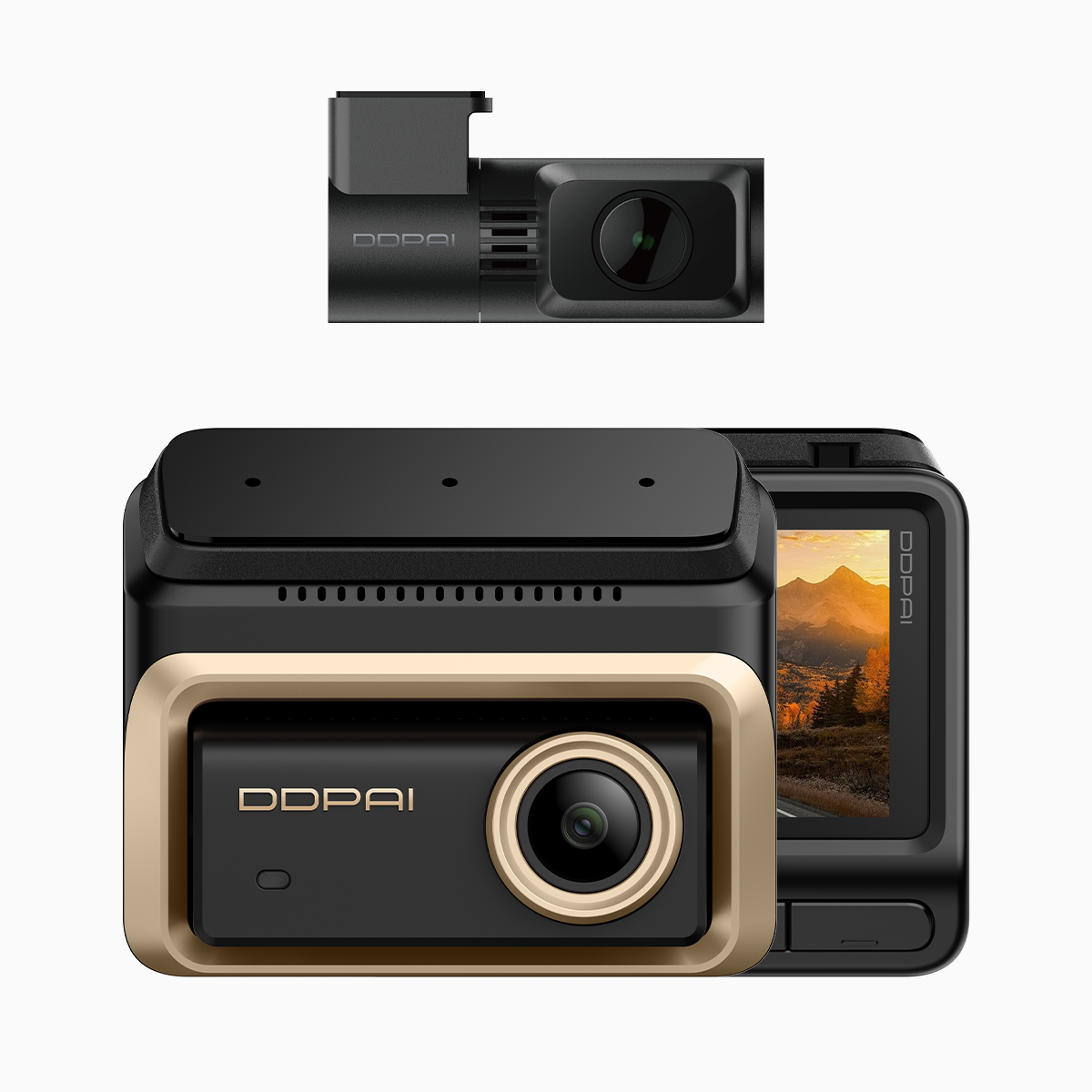
Manila’s streets hum with impatience and small collisions; what follows is often confusion at the claims desk and friction with the Land Transportation Office (LTO). For drivers, the core problem is simple: single-view cameras miss context. A rear-angle blind spot, a side swipe, or a contested stoplight incident can unravel a claim. Installing a reliable 3 channel dash cam mitigates that gap by capturing simultaneous forward, rear, and cabin views, giving insurers and traffic officers a coherent timeline instead of fragments.
How triple-lens systems address compliance and claims
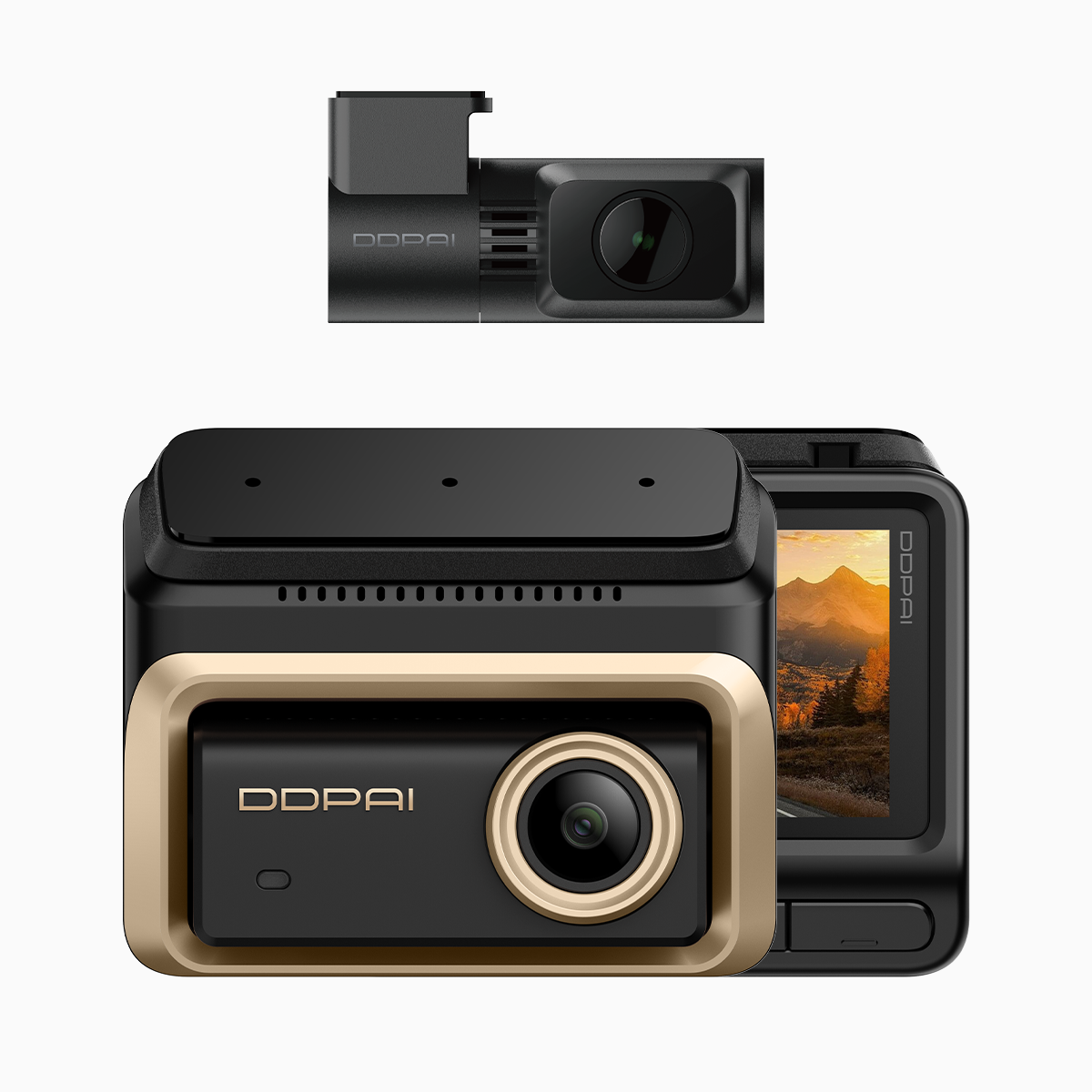
Triple-lens setups combine a wide angle of view up front, a rear module, and an inward-facing channel for occupant or taxi-cab context. That layered footage strengthens an insurance statement and aligns with LTO expectations for objective evidence. Practical features—like 4K recording up front, reliable loop recording, and an accurate G-sensor—make footage admissible and easy to parse. The triple perspective also reduces disputes over fault: when all three angles confirm sequence and speed, adjudication is faster. For many local motorists, a well-configured triple dashcam becomes the neutral witness that speeds resolution.
Practical setup for LTO compliance and insurer acceptance
Start with mounting: secure the front camera high on the windshield and align the rear to cover the full road width. Enable timestamps and ensure your device syncs to real-time; insurers and the LTO check chronology. Set recording to at least 1080p for rear and cabin channels, and 4K for the forward view if available—bitrate matters where license-plate clarity is essential. Turn on parking mode and event-triggered recording so incidents while stationary are preserved. Keep a rotating backup procedure: export key clips after an incident, then store them on cloud or removable storage for at least 30 days. Small but crucial — check firmware updates monthly to maintain codec compatibility and stability.
Common mistakes drivers make—and how to avoid them
Ignoring angle calibration is the most frequent error: a skewed camera omits plates. Another is relying solely on default loop lengths—short loops can overwrite essential evidence. Don’t assume power cut equals lost footage; ensure a proper hardwire kit or an external battery to preserve video in a crash. Finally, neglecting privacy settings causes legal friction; blur or restrict cabin footage when sharing beyond insurers. These are avoidable if you treat the dash cam like a safety tool, not a gadget.
Installation checklist and claim workflow
– Confirm front, rear, and cabin channels are synchronized and the timestamp is correct. – Set forward channel to 4K or highest available; rear and cabin to at least 1080p. – Activate G-sensor sensitivity to capture low-speed events without flooding storage. – Test parking mode overnight; verify event clips upload or store reliably. – After an incident: export and label clips immediately, submit to insurer and LTO with a short written account. These steps cut claim processing time and reduce back-and-forth—small discipline, big difference.
Three golden rules for choosing the right triple-lens system
1) Evidence Integrity: Prioritize cameras with solid file management—stable loop recording, reliable timestamps, and firmware support. 2) Image Fidelity: Choose a system offering high forward resolution (4K preferred) and sufficient bitrate for license-plate legibility at distance. 3) Operational Reliability: Look for proven parking mode, dependable G-sensor calibration, and a trustworthy power solution; firmware updates should be regular. Follow these metrics and you get footage insurers accept without debate.

Conclusion and practical closing
For local motorists facing LTO scrutiny and insurance friction, a well-chosen triple-lens dash cam translates into fewer disputes, faster settlements, and greater peace on the road. The lessons are concrete: design for evidence first, maintain the system, and document incidents quickly—these measures change outcomes measurably. Trust in the device’s footage, and it will repay you in time and saved hassle. DDPAI Philippines sits naturally at that solution edge, offering hardware and support that meet those standards. —