

Why Everyday Hallways Keep Failing—and What That Says About the Factory
Here is the blunt truth: most hallway clutter is not a user problem; it is a product system problem. In many cases, a shoe cabinet manufacturer sets the tone long before a family ever opens the flat-pack. Picture a Nairobi morning—kids late, shoes in a heap, hinges squeak, and the cabinet tilts a little. Recent retail data shows a large share of returns trace back to loose hardware and misfit panels within the first 90 days. So, what breaks first: the wood, the joinery, or the process? In Kenya and across East Africa, homes run warm, dusty, and busy; the cabinet must take heat, grit, and quick hands. Add humidity swings, then add DIY assembly—now your tolerance window shrinks. If the design assumes a perfect floor or perfect tools, real life will push back (pole pole is not how mornings work). The result feels simple: cabinets that wobble, chip, or chew up time. But the cause is layered and starts upstream—at sourcing, machining, and QC routines.
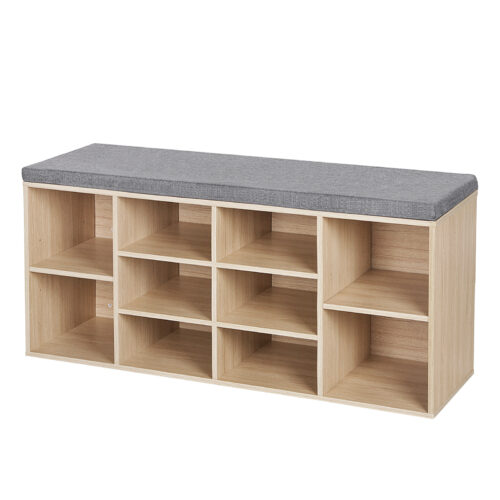
Let us move from the hallway story to the factory floor—and see where the cracks begin.
The Subtle Failures Consumers Feel, But Specs Ignore
Where do failures really start?
When you choose a shoe cabinet supplier, you are also choosing their habits: how they measure parts, how they pack, how they teach assembly. Look, it’s simpler than you think. Small gaps add up. A 0.5 mm miss in CNC drilling here, a soft cam lock there, and a rushed edge banding pass—suddenly you get a tilt. In warm flats, lower-grade particleboard swells faster; cheap laminate shows corners; and weak screws bite once, not twice. Users then over-torque, trying to “fix” a misfit, and threads strip—funny how that works, right? Good lines rely on consistent jigs and QC sampling, not luck. The better factories track tolerance stack-up, test hinge cycles, and verify packaging foam density so parts do not collide in transit. If any step slips, your first week at home becomes a repair job.
Traditional fixes often miss the point. Thicker MDF feels strong, yes, but weight raises freight and hurts assembly time. More metal brackets can steady panels, yet they complicate flat-pack kitting and instruction flow. The smarter path is clean geometry and fewer fasteners, supported by precise CNC routing and stable edge banding. Clear, picture-first manuals matter too—fast, bilingual, and tool-light. Humidity-ready finishes, such as quality powder coating on steel frames or robust PVC edge banding on shelves, keep shape when seasons change. And do not forget hardware spec: cams that lock with low torque, pre-inserted dowels, and hinges rated for real cycles, not ideal ones. These simple choices reduce returns and—more important—lower the stress that users feel but rarely report.
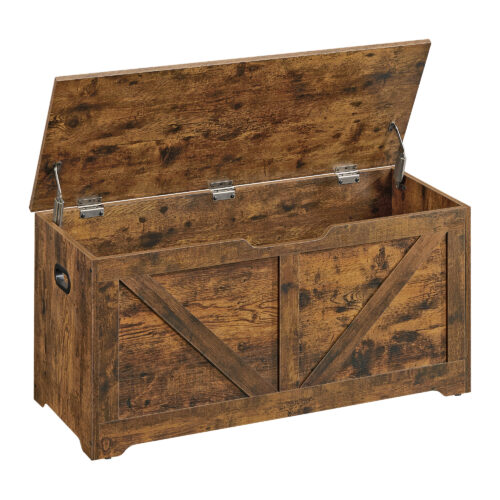
Comparing What’s Next: Principles That Keep Cabinets Straight and Users Calm
What’s Next
Forward-looking makers are changing the rules, not just the parts. They use nested-based CNC to cut panels with tighter repeatability, then pair them with pre-threaded inserts so screws grip cleanly even after a re-try. Robotic edge banding reduces glue lines and keeps corners sealed; water-based UV coatings bring harder skins without harsh smells. The aim is simple: fewer steps at home, more accuracy at source. In practice, this means a cabinet you can assemble with a single hex key and one calm hour—sawa sawa. For buyers comparing a wholesale shoe cabinet across catalogs, watch for three clues: fewer unique fasteners, clear hole labeling, and packaging that keeps panels from rubbing. Those details signal a stable process, not a lucky batch.
The real shift, though, is data. Factories map defects back to stations and adjust jigs before the next run. They track humidity in storage, do drop tests on cartons, and set torque values that match the cam locks supplied. Semi-formal as it sounds, these steps show up as quiet wins at home—no creaks, no wobble, no mystery parts left on the floor. To choose well, use three metrics. First, fit tolerance: ask for ±0.3 mm across critical joints and verified hinge alignment. Second, finish resilience: look for humidity-cycle tests and rub counts that suit your climate. Third, protection-in-transit: demand certified drop-test data and a spare-parts policy that ships fast. Do this, and returns fall while setup gets easier—that’s the part many skip. Close the loop with brands that publish these numbers and stand by them, like SONGMICS HOME B2B.