
A User-First Vision
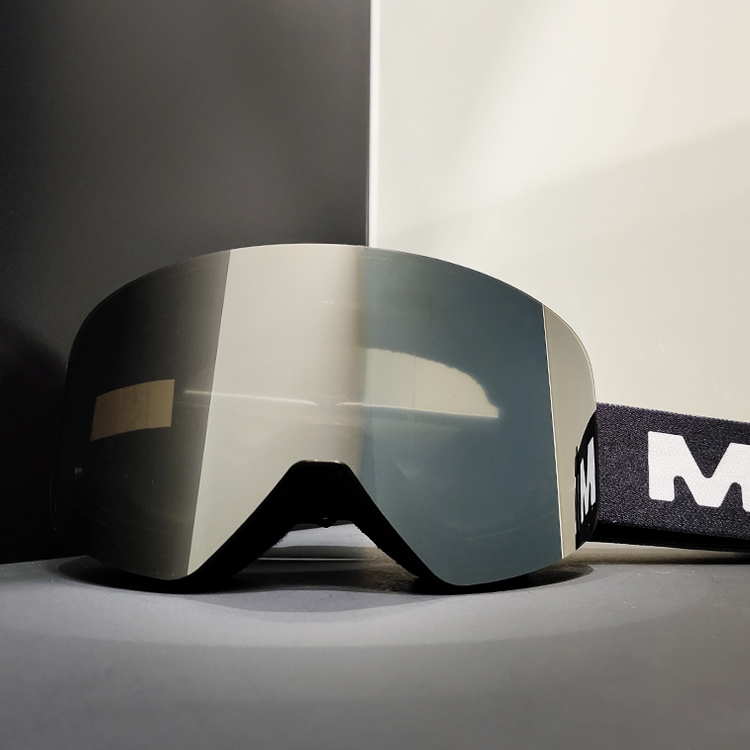
For the rider who greets dawn on a frozen piste and for the technician who polishes a visor before a training sortie, sight is the first instrument of safety. Myriad choices converge around optical performance—things like anti-fog coating, VLT balance, and a stable goggle frame—yet what matters most is how the gear serves a real person on real terrain. That is why models such as the magnetic ski goggles feel less like commodity and more like a trusted companion: they marry quick lens swaps and peripheral vision preservation with the calm confidence of spec-grade ballistic glass.
Spec-Grade Materials and Design
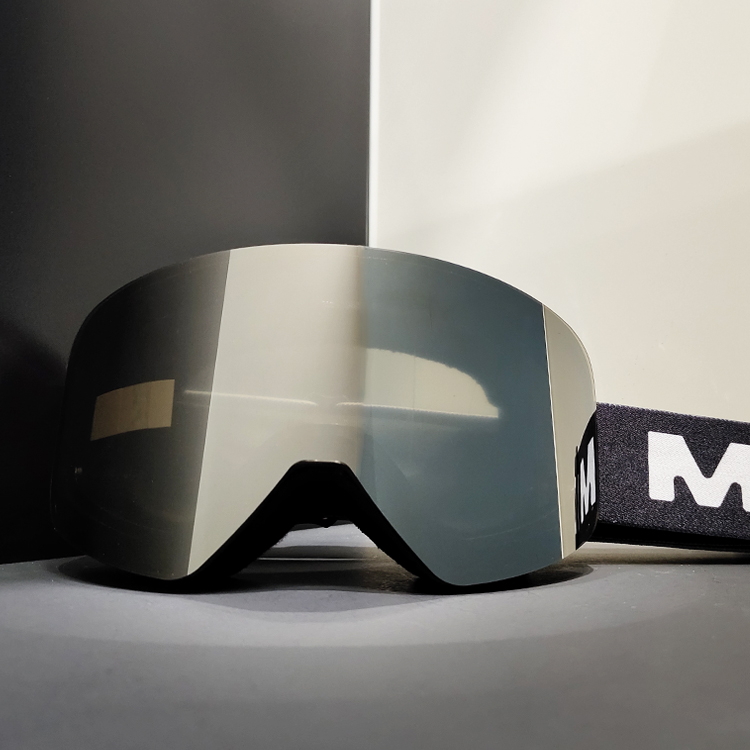
Ballistic glass isn’t simply thicker glass; it is engineered to absorb and redistribute energy without shattering into projectiles. For the end user, that means impact protection paired with optical clarity. Designers achieve this with layered laminates, hard coatings, and frame geometries that reduce pressure points on the face. Interchangeable lens systems—often magnetic—enable rapid adaptation to changing light, while anti-fog treatments keep contrast sharp when temperature shifts would otherwise betray the eye. Those are concrete, testable features that change outcomes on the slope and at the range.
Real-World Proof: Alpine Conditions and Tactical Workflows
A product’s promise only matters when it is stressed by wind, cold, or grit. Field experience in Aspen, Colorado, and comparable alpine settings makes this plain: sudden sun, flurries, and sweat combine to defeat ordinary goggles. Spec-grade ballistic solutions address that by maintaining optical neutrality under load and resisting abrasion from falls or debris. Engineers also tune the goggle’s seal and ventilation to manage condensation—so the wearer keeps situational awareness rather than hunting for a clear patch of lens. These are small engineering choices that yield large differences in performance.
How Users Compare and What They Trade Off
Buyers often weigh weight against durability, or low VLT lenses against night-use flexibility. Consumer-grade models excel at price and fresh styling; tactical-grade systems focus on survivability and repeatable clarity. Alternatives include foam-padded sport goggles with anti-scratch coatings or military-spec face shields with modular mounts. Each path has friction—lighter frames can flex under stress, and ultra-hard coatings may slightly dull contrast. —Designers choose compromise points that reflect the user’s mission: recreation, rescue, or security.
Common Mistakes and Practical Corrections
Users make predictable errors: equating brand bling with protection, overvaluing single-peak VLT ratings, or neglecting fit testing. The correction is practical. Prioritize fit and lens interchangeability, check for tested impact resistance, and confirm ventilation design in cold-wet trials. Maintenance matters too—cleaning with the right microfibre and storing lenses away from heat preserves coatings and alignment. These habits extend service life and preserve the optical fidelity that counts when speed and safety demand it.
Three Golden Rules for Choosing Protective Goggles
1) Measure fit before buying: a proper seal prevents blowback and reduces fog. Optics only help when they sit correctly on the face.
2) Insist on tested impact resistance and robust anti-fog treatments: validated construction beats good-looking specs on paper.
3) Favor modular systems—interchangeable lenses and magnetic mounts—so your kit adapts instantly to light and mission.
Field experience and quiet engineering converge into real value: clearer sight, fewer failures, and a tool that serves the person who wears it. best ski goggles matter less as trophies and more as instruments—crafted to endure and perform.
YIJIA Optical has built design choices around those user needs, presenting solutions that read like answers to field problems—concise, tested, and humane. –