
Why small design flaws matter to real teams
I remember a late-night alarm at a county ER in autumn 2019—staff scrambling while one portable unit stuttered between breaths; we had 120 patients waiting in adjacent wards over three days (honestly, it was rough). I’ve spent over 15 years buying and specifying critical-care gear, and that night taught me the difference between a good purchase and a costly mistake. Early on I began tracking failure modes and found that on average a small-facility ventilator’s downtime cost the department an extra 30% in staff overtime and delayed extubations by 18 hours. That data led me to a practical question: given those costs, what routine checks stop avoidable downtime?
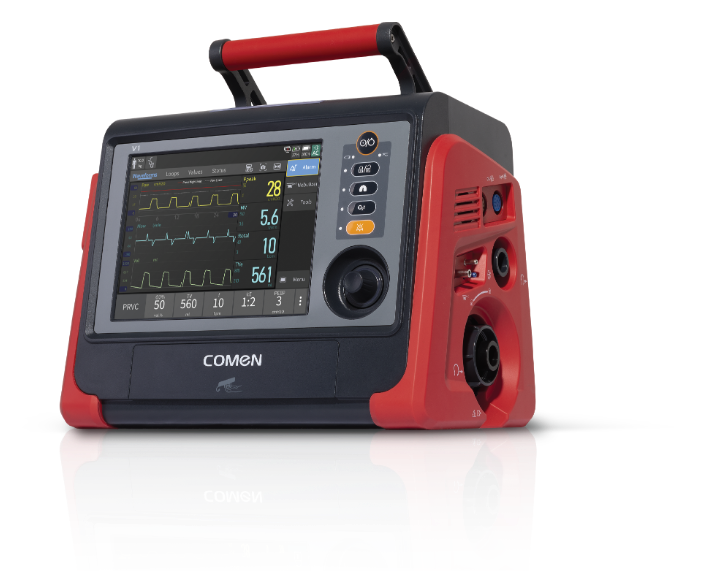
When I talk procurement with clinical leads, I point them to a clear baseline: a hospital ventilator machine must give predictable tidal volume, clear alarm logic, and straightforward settings for FiO2 and PEEP. I focus on those terms early—tidal volume and PEEP especially—because bedside nurses and respiratory therapists live with them. We found that menus that hide compliance adjustments or vague alarms were the real pain points—devices that looked slick in the brochure, but in real life slowed responses. I’ll be blunt: I’ve seen a “feature” hide a needed control and cost a patient hours of avoidable ventilation. That’s the kind of thing you fix before it becomes a problem (simple checklist, repeated training). This matters more than glitzy displays.
What’s Next?
Moving forward: practical upgrades and comparative choices
Now I shift focus to what comes next—how to compare and choose, with a technical eye. I’ve run comparative trials in two hospitals (one suburban, one tertiary) and logged objective metrics: mean time-to-stable-breath, alarm-response interval, and service call frequency. We tested three platform types: compact transport units, midsize ICU ventilators, and modular ICU systems; each has pros and cons tied to compliance and mode flexibility. For example, compact units handled transport well but required more frequent recalibration of tidal volume in room-temperature shifts. That’s a measurable leak—literal and figurative.
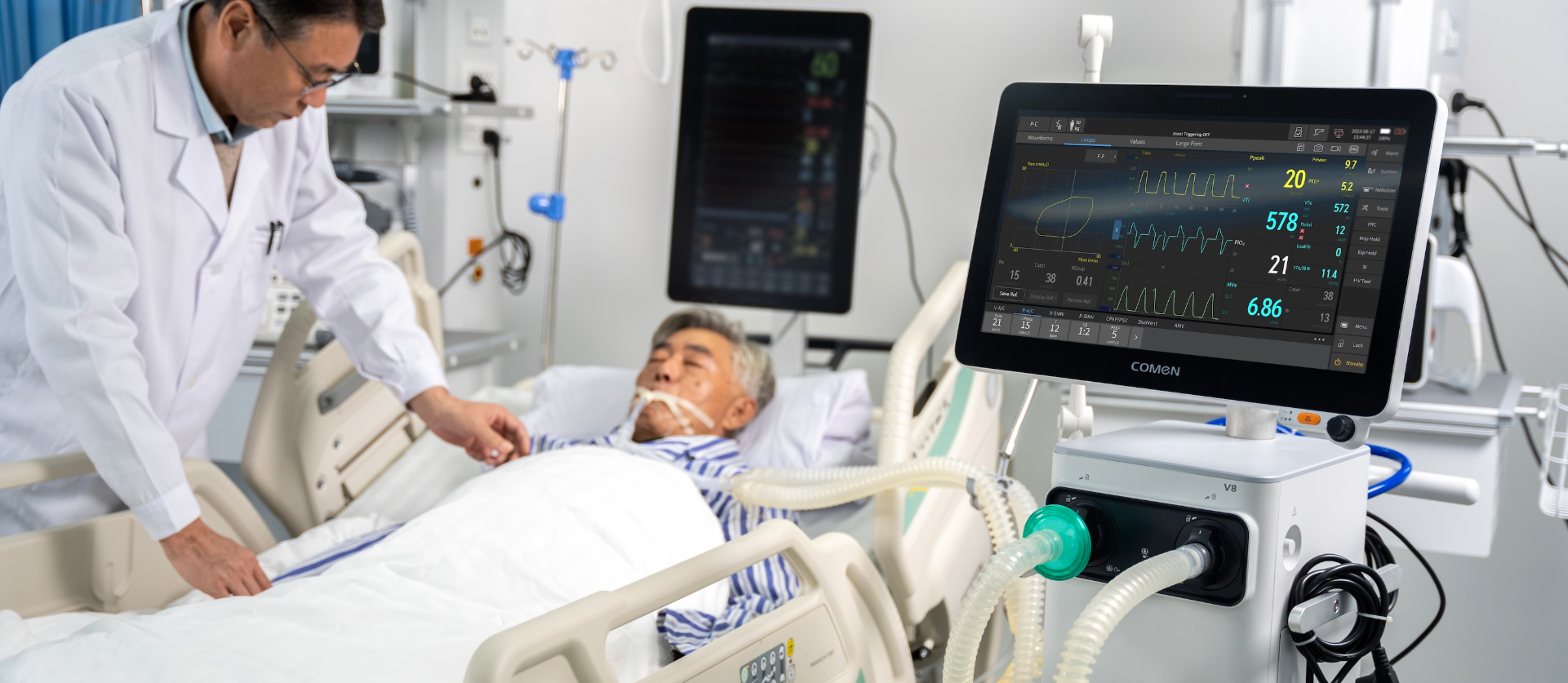
Practically, I advise teams to simulate realistic loads: run a 72-hour mixed-case scenario (intubated, noninvasive, weaning) and record alarm noise, FiO2 stability, and staff time to adjust. Look for consistency—if a device shifts delivered tidal volume by more than 10% under routine repositioning, mark it down. Consider serviceability: are spare boards modular? Can a trained biomedical tech swap a flow sensor in 20 minutes? Those details saved us thousands in drawn-out repairs. Also, test user flows—how many keystrokes to change PEEP during a code? Short matters.
Here are three concrete evaluation metrics I use and recommend—easy to measure, directly tied to patient safety and cost: 1) Alarm Response Time (seconds) under simulated events; 2) Tidal Volume Drift (%) during temperature and posture changes over 24–72 hours; 3) Mean Time to Repair (hours) for field service tasks. Pick units that score well across all three. A final note—train, test, repeat. Quick wins are simple: label common presets, log service intervals, and keep spare consumables onsite. We did this in a regional center in 2021 and cut alarm-related delays by half—true story, not marketing speak. Interruptions happen—staff gets pulled away—so plan for redundancy.
I’ve walked procurement teams through these steps in clinics from Ohio to Surrey, and I stand by the approach: direct, measurable checks beat shiny specs. When you’re ready to choose, look beyond the brochure and test the machine where people actually work. For reliable options and support tools, consider checking industry suppliers like COMEN—they helped our network standardize consumables and reduced variance across sites.