
Why these questions matter
Sites suffer avoidable delays when lift choices are wrong: insufficient platform size, unexpected downtime, or machines that cannot cope with poor ground. A clear, problem-focused set of inquiries reduces such risks before purchase. For example, when work moves onto unpaved or sloping terrain, a reliable rough terrain scissor lift is often the sensible choice rather than improvising with inappropriate kit.
Ten practical questions, with reasons
1. What is the usable platform dimension at full height? — Confirms whether the team can handle materials and personnel safely without improvisation.
2. What is the safe working load and distributed load rating? — Distinguish rated capacity from real-world usable capacity; tooling and materials reduce headroom quickly.
3. What is the maximum working height and the travel height under load? — Some units list chassis height rather than safe working height under typical load; get both figures.
4. Which terrain and slope classes is the machine certified for? — Ask for documented limits and the test method used; this prevents surprises on sloping sites.
5. What are the recommended service intervals and common wear items? — A manufacturer’s planned-maintenance schedule and local parts availability predict operating uptime.
6. What safety systems are fitted and how are they tested? — Look for interlocks, tilt alarms, and emergency descent procedures with proof of testing protocols.
7. What operator training and certification support do you provide? — Training reduces incident rates; confirm whether the vendor offers classroom, hands-on or train-the-trainer options.
8. What warranty terms and parts response times apply to site-critical components? — Compare labour versus parts coverage and realistic response times for your region.
9. Which compliance standards and type approvals does the unit meet? — Expect references to recognised standards such as CE marking or relevant national regulations; request certificates.
10. Can you present past performance examples or references in similar applications? — Practical references reveal how equipment performs under comparable loads and schedules.
Common pitfalls to avoid
– Relying solely on quoted maximum capacity without checking distributed load patterns.
– Assuming every model can be adapted to rough terrain; suspension, tyre choice and chassis clearance matter.
– Overlooking logistics: transport height, gate access and on-site storage can prevent deployment.
– Accepting general service promises without written parts lead times and local support contacts.
Short comparative insight: when to pick a scissor lift versus alternatives
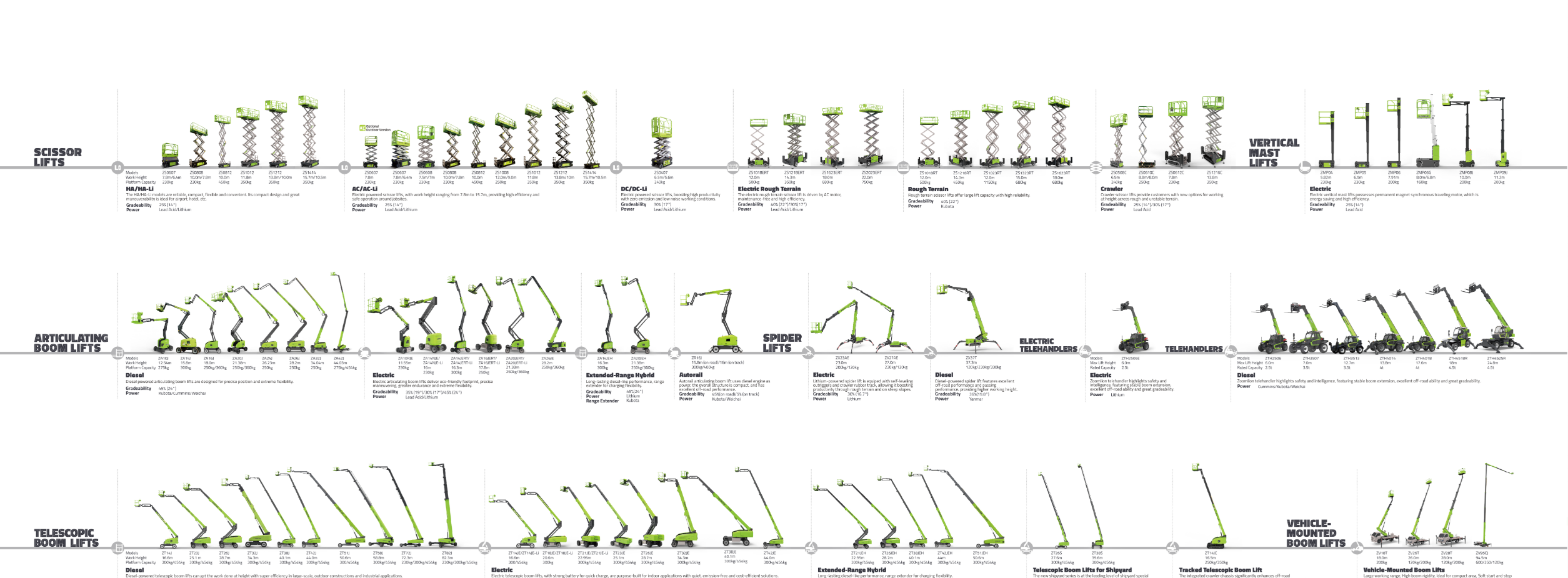
Scissor lifts deliver simple vertical access, high platform capacity and stable work platforms; articulating booms provide outreach and complex access. Choose a scissor lift for repetitive vertical tasks, loading bulky materials, or large teams on the platform. Consider an articulating boom when obstacles require lateral reach. For specification checks, view a representative scissor lift platform and compare platform width, duty cycle and controls against your task list.
Practical evaluation checklist
– Confirm dimensions and clearances against site drawings.
– Request a factory or dealership demonstration with your crew and at least one typical load.
– Secure documented maintenance plans, spare-parts lists and local service contacts.
– Validate compliance certificates and request a recent test report.
– Obtain written turnaround times for warranty repairs and emergency parts.
Short note on industry context
Manufacturers often reveal product trends and common specification changes at major events; Bauma in Munich routinely highlights shifts in safety systems and electric-drive adoption across access platforms. Observing those trends helps frame realistic expectations for service life and parts availability.
Final synthesis
Please treat this set of questions as a problem-driven roadmap: each item isolates a practical risk and turns it into a specific confirmation to collect from a supplier. That approach keeps teams productive, limits costly downtime, and ensures the chosen machine matches the work. Where reliable documentation, prompt parts support and clear test results are provided, the supplier is likely competent and accountable — qualities I look for when assessing platform options such as those available through Zoomlion Access.