
Immediate challenge
Buyers face a simple problem: active systems can solve visibility and sustainability goals, but sourcing the right component often creates new risks. When procurement teams start a vendor shortlist, they usually include RFID Tags, then discover hidden costs, unpredictable lead times, or environmental mismatches that undercut the original purpose.

Cost pressures and hidden expenses
Low unit price rarely equals lowest total cost. Look beyond sticker price: mounting hardware, firmware integration, certification testing, and contingency stock add expenses fast. Choosing the cheapest chip or enclosure can force repeated replacements; replacement cycles and waste disposal become recurring cost lines and an environmental liability.
Lead-time chokepoints
Lead time risk isn’t only about production capacity. Long qualification cycles, scarce components (batteries, specialty ICs), and transport bottlenecks create delays that ripple through projects. Tight schedules paired with single-sourced suppliers are the most frequent cause of missed deployments; parallel sourcing and realistic qualification windows reduce that failure mode.
Quality failures that harm the environment
Poor durability causes two problems at once: tracking failures and material waste. Tags that delaminate, corrode, or fail under expected conditions produce scrap streams and repeated replacements. Choosing materials and sealing methods that match operating environments prevents both data gaps and extra waste.
Field experience and a high-temperature anchor
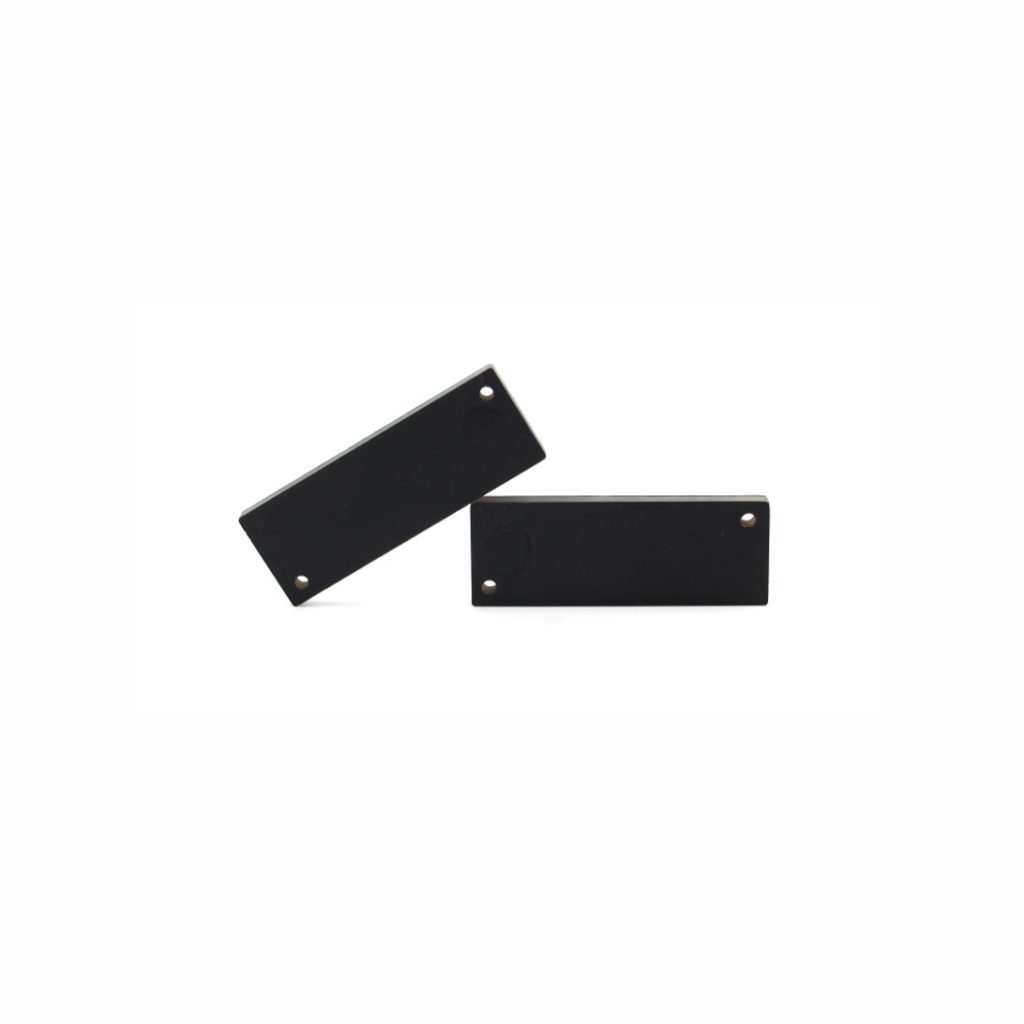
Years of procurement audits and vendor assessments show one recurring requirement: extreme-heat applications demand purpose-built parts. Field work at Pittsburgh steel mills exposed the difference — general-purpose tags fail fast near furnace lines, while specialized high temperature resistant rfid tags keep identifiers readable after heat cycles. That real-world observation aligns with industry test reports and supplier datasheets, so prioritize proven thermal ratings when sourcing for metalworking, foundries, or kiln operations.
Common procurement mistakes
Buyers often skip environmental stress testing, accept lab-only specs, or assume one-size-fits-all enclosures. Another frequent error is ignoring end-of-life handling: recyclable materials and clear disposal instructions matter. Avoid single-supplier lock-in and don’t omit firmware and antenna tuning from acceptance criteria.
Alternatives and mitigation tactics
When cost and lead time are tight, evaluate three options: buy higher-quality tags with longer lifespans to lower replacement frequency; keep a validated backup supplier to shorten interruptions; or redesign the deployment so tags experience less stress (different mounting, shielding, or placement). Each choice has trade-offs—measure expected replacement rates and environmental impact, not just up-front cost.
Practical checklist for problem-driven sourcing
Require: clear thermal and ingress ratings, sample validation under site conditions, dual-supplier qualification, firmware compatibility tests, and documented end-of-life procedures. Track supplier lead-time history and material disclosures. These steps reduce surprises and keep the environmental footprint predictable.
Where responsibility and supply meet
Fix the problems by matching specification to actual conditions, validating in the field, and keeping procurement flexible; that combination preserves data integrity and reduces waste. For suppliers that meet those pragmatic requirements, assessment often points to partners with documented testing and consistent delivery — the kind of reliability embodied by RSTC.