User-first overview
Operators need dependable power and predictable safety. For facility managers deciding between temporary supplies and installed systems, a compact option like a Portable Solar Power Station often appears first on the shortlist — it’s portable, quick to deploy, and illustrates why anti-islanding and proper grid-tie behavior matter. Anti-islanding prevents inverters from energizing a dead grid; grid-tie inverters must synchronize and stop feeding the grid when the utility is down. These two functions protect crews, equipment, and the public, as seen after Hurricane Maria in Puerto Rico where improvised systems and poor coordination created serious safety risks for technicians restoring service.
How anti-islanding works and why it matters
Anti-islanding is a safety handshake: the inverter monitors voltage and frequency and looks for the utility’s signature. If it can’t confirm synchronization within defined thresholds, it trips off. That trip prevents the inverter from backfeeding energized circuits that utility crews assume are de-energized. For commercial battery storage, the battery management system (BMS) and inverter must communicate so that a BMS-controlled discharge doesn’t override the anti-islanding logic. Practical effect: fewer shock hazards, simpler fault isolation, and clearer fault logs for post-event analysis.
Design choices that improve grid-tie reliability
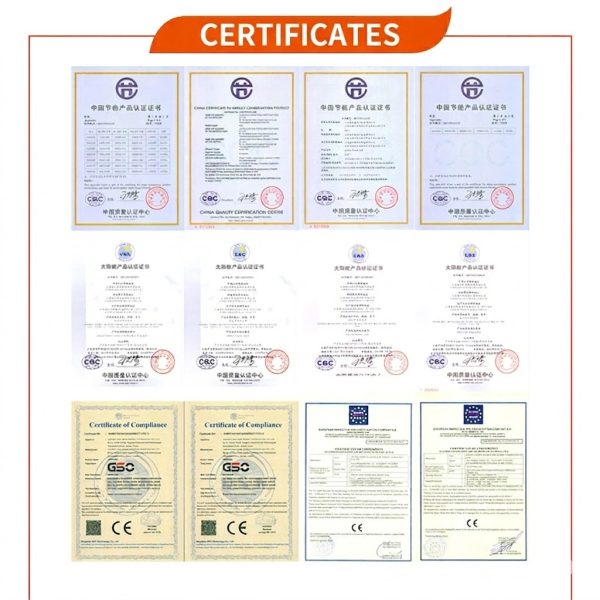
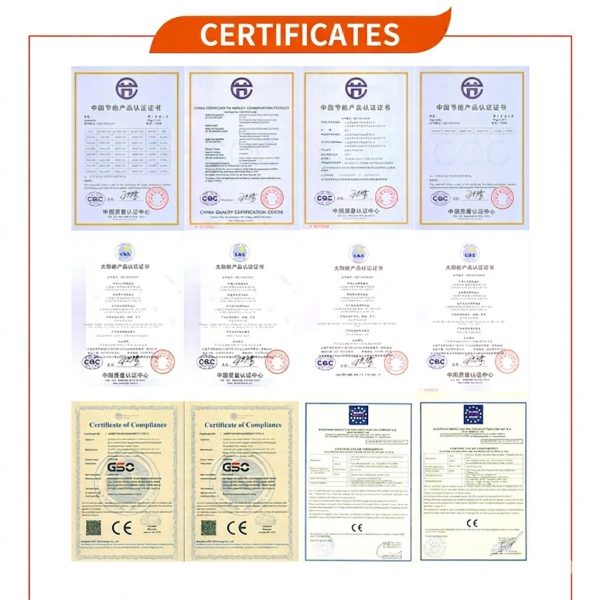
Good specifications reduce surprises. Choose grid-tie inverters compliant with IEEE 1547 and UL 1741 standards; those standards cover intentional islanding, ride-through behavior, and anti-islanding tests. Favor inverters that offer configurable trip settings, fast detection algorithms, and clear status reporting. Integrate a BMS that handles state-of-charge and can signal the inverter to modulate output. Where possible, pick systems with built-in synchronization and anti-islanding diagnostics so site personnel can verify behavior during commissioning rather than discovering issues under stress.
Operational checks and common mistakes
Operators often skip simple tests — a dangerous shortcut. Run these checks before commissioning and after maintenance:
– Verify anti-islanding by simulating utility loss under controlled conditions and confirm the inverter trips within standard timeframes.
– Test synchronization at multiple load levels; some inverters behave differently near their lower power limits.
– Confirm BMS-to-inverter signaling under high and low state-of-charge conditions to avoid unwanted bleed or hold-up.
– Review firmware versions and safety bulletins; many field incidents trace to unpatched inverter firmware. Don’t rely solely on default settings — adapt thresholds to local grid conditions, especially where frequency excursions are common. — That small step saves time later.
Alternatives and practical trade-offs
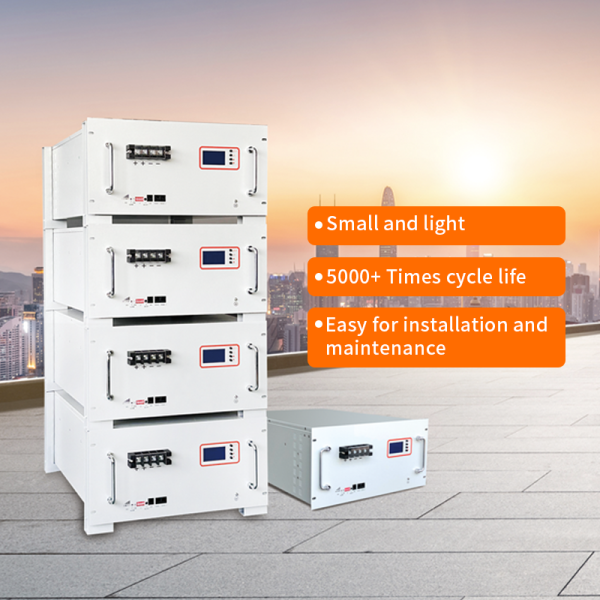
There are two common approaches: integrated all-in-one systems and modular stacks with separate inverters and batteries. Integrated units simplify commissioning and often include tested anti-islanding behaviors, making them attractive for rapid deployment. Modular stacks offer flexibility and easier serviceability at scale, but demand careful integration: inverter settings, BMS logic, and protection relays must be coordinated. For temporary or remote installations, a Portable Solar Power Station or a portable solar panel battery with documented anti-islanding tests reduces unknowns and speeds handover to operations teams.
Three golden rules for choosing the right solution
1) Prioritize certified protection: Select hardware compliant with IEEE 1547 and UL 1741; certification shortens review and eases utility interconnection. 2) Validate behavior with tests: Commission with controlled islanding and synchronization checks; require event logs that show trip times and conditions. 3) Ensure operational visibility: Choose systems with accessible telemetry from both the inverter and the BMS so operators can diagnose drift, firmware issues, or configuration mismatch quickly.
These rules point to one practical truth: choose systems that make safety visible and repeatable — that’s how you protect people and assets. gsopower. —