
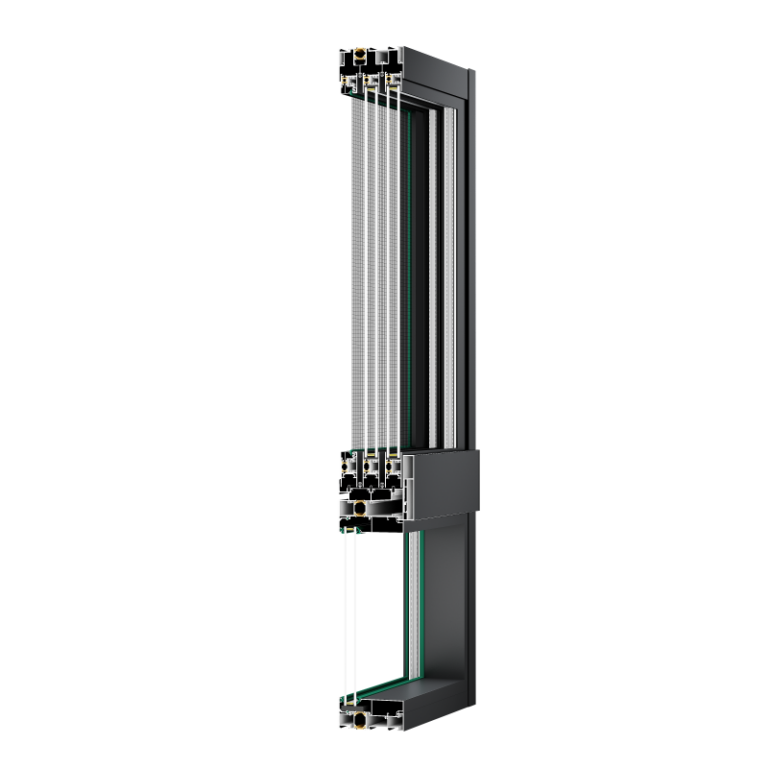
Comparative Overview and Purpose
When specifying a primary entrance, practitioners evaluate a glass pivot entry door against alternative assemblies along discrete axes: structural hardware, thermal performance, and visual continuity. The choice is technical as much as aesthetic; contemporary projects often reference manufacturers of related fenestration systems, including sliding window manufacturers, to align hardware families and finish schedules. The U.S. Department of Energy estimates windows and doors contribute roughly 25–30% of residential heating and cooling energy use, which establishes a clear performance baseline for comparative assessment.

Hardware and Structural Differences
Pivot doors reposition the rotational axis away from the stile and introduce concentrated loads at top and bottom pivot bearings. Key components include the pivot hinge, reinforced pivot box, and precision threshold assembly. Compared with a typical side-hung door, a pivot system permits larger glazed panels and reduced sightlines, but it demands greater torsional control and more substantial anchors in the floor slab. Industry terms relevant here include pivot hinge, threshold, and anodized finish; each affects long-term serviceability and tolerances for deflection under point loads.
Glazing, Thermal Control, and Energy Performance
Thermal performance of a glass pivot entry door depends on glazing configuration, frame thermal break, and detailing around the pivot. Incorporating low-E coatings and inert gas fills in insulated units reduces center-pane heat transfer; laminated glass or tempered glass selections affect safety and acoustic behavior. For projects prioritizing envelope efficiency, one should also assess analogous systems such as energy efficient sliding windows to transfer lessons in spacer technology and thermal break implementation into the door assembly while controlling the U-value and air infiltration metrics.
Installation Risks and Common Mistakes
Installation of large-format pivot doors introduces practical failure modes: inadequate substructure for pivot anchorage, improperly sealed thresholds leading to water ingress, and misalignment producing uneven closing forces. Contractors sometimes underestimate axial loading on pivot bearings, or specify glass without matching edge protection—this increases the risk of thermal stress and edge chipping. A procedural checklist mitigates these risks: verify slab flatness within specified tolerances, confirm pivot torque settings, and test for uniform seal compression across the perimeter.
Security, Durability, and Maintenance
Security strategy must integrate locking hardware with the pivot geometry; multi-point locking is feasible but requires bespoke faceplates and reinforced stiles. Durability hinges on bearing quality, finish selection, and tolerance management—poorly matched anodized finishes can corrode at the interface, accelerating wear. Routine maintenance consists of periodic lubrication of pivot bearings, inspection of seals for compression set, and verifying that sightlines remain square. Attention to these items reduces lifecycle intervention and extends service intervals.
Comparative Scenarios and Alternatives
Selection logic depends on programmatic priorities. If the primary objective is uninterrupted sightline and monumental scale, a glass pivot entry door is often superior. If sliding operability, slender transoms, or tighter thermal control are paramount, a high-performance sliding system may be preferable. Swing doors remain efficient where cost and simplicity govern, and bi-fold solutions suit environments requiring full-width opening. Each alternative trades off between thermal break complexity, sightline, and threshold performance—balancing those trade-offs is the essence of comparative specification.
Advisory: Three Golden Rules for Selection
1) Metric-driven specification: prioritize measurable targets—U-value, air infiltration (cfm/ft²), and lateral deflection under design wind—rather than descriptive adjectives. 2) Integrated detailing: mandate substructure and seal sequencing in the contract documents so pivot bearings, thermal break, and threshold are coordinated during early trades. 3) Proven assemblies: select hardware and glazing with documented test results for cyclic loading and impact resistance; require field mock-ups to confirm installation tolerances. These rules reduce ambiguity and deliver predictable performance.
When the project outcome must combine scale, clarity, and engineered reliability, the solution frequently converges on a manufacturer capable of harmonizing hardware, finish, and thermal detailing—this is where the value of a specialized partner manifests, as shown by projects that marry robust pivot mechanics with refined glazing systems. Zekin. —