
Introduction
I once watched a small shop turn a rusted block into a gleaming part by midnight—pure craft and stubborn will. As I tell clients, vertical machining center manufacturers sit at a strange crossroads: old skills meet new chips and code. Recent industry numbers show shops that add basic automation cut cycle times by up to 30% (yes, real savings) — so what if those gains were widespread? How would factories, workers, and supply lines change if smarter automation became the norm?
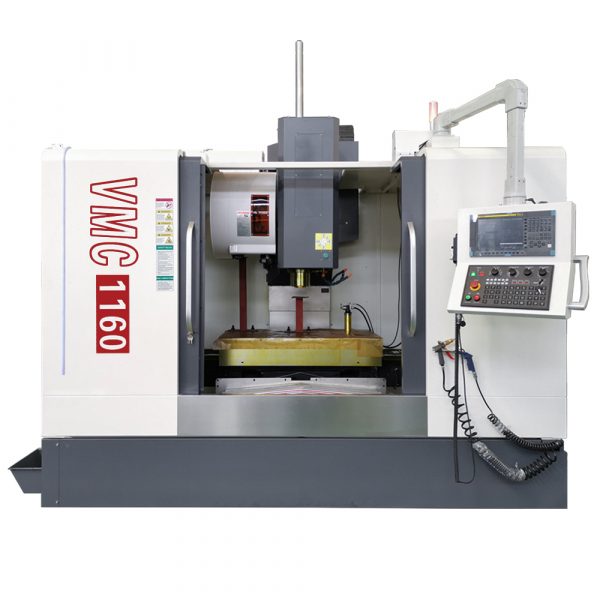
Imagine copper lights and steam—okay, I’m being fanciful—but the question stands: can modern control logic, better spindle designs, and clearer human-machine workflows reshape everyday milling? I want to explore that, and then move into where the real frictions hide. — Let’s walk forward.
Part 2 — Hidden Flaws and User Pain Points
When I test machines, I always start with the basics. The 3 axis vertical machining center looks simple on paper. But under the hood, many shops still wrestle with outdated tool changer routines, inconsistent feed rate settings, and unreliable coolant management. These aren’t tiny annoyances; they cost hours on the floor and push skilled operators into constant firefighting. I’ve seen a machine idle for days waiting for a part program fix—unnecessary, and costly.

Why does this keep happening?
First, controllers can be inflexible. Old control logic assumes repeatable parts and neat setups. Reality? Parts shift, fixtures settle, and sensors drift. Second, tool management is messy. Without clear tool libraries and consistent spindle speed profiles, tool life drops fast. Third, integration gaps—CAM software, PLCs, and ERP systems—often speak different languages. Look, it’s simpler than you think: better data flow and basic diagnostics can cut downtime a lot. I use terms like servo drive, ball screw, and spindle speed daily, because they matter. Fix those, and you fix a big slice of the pain.
Part 3 — New Principles and a Forward Look
Now, let’s shift from problems to principles. I believe next-step improvements come from two ideas: smart sensing and modular control. Add vibration monitoring and simple edge analytics at the spindle. Couple that with a modular control layer that accepts updates and new tool profiles. The payoff? Faster changeovers, fewer false alarms, and better predictability. A few shops already test this approach on their horizontal or vertical turning machining center cells—results look promising.
What’s Next?
Here’s a short roadmap I would follow: standardize tool libraries, add low-cost sensors to key axes, and build a small data pipeline to gather run-time stats. — It won’t fix everything overnight, but these steps compound. I’ve watched one small team reduce scrap by almost half after adding basic monitoring—funny how that works, right? The blend of better mechanics (ball screw accuracy) and smarter electronics (servo drive tuning) gives the most reliable returns.
To wrap up, here are three evaluation metrics I recommend when choosing upgrades: 1) Mean Time Between Failures (MTBF) improvement potential, 2) Expected cycle-time reduction in percent, and 3) Integration effort measured in days to full data flow. Weigh those, and you’ll make clearer decisions. I’ve guided shops through this process, and I stand by practical, measured steps over flashy promises. For practical help and equipment, I often point people to Leichman—they know the territory and the parts that make a difference.