
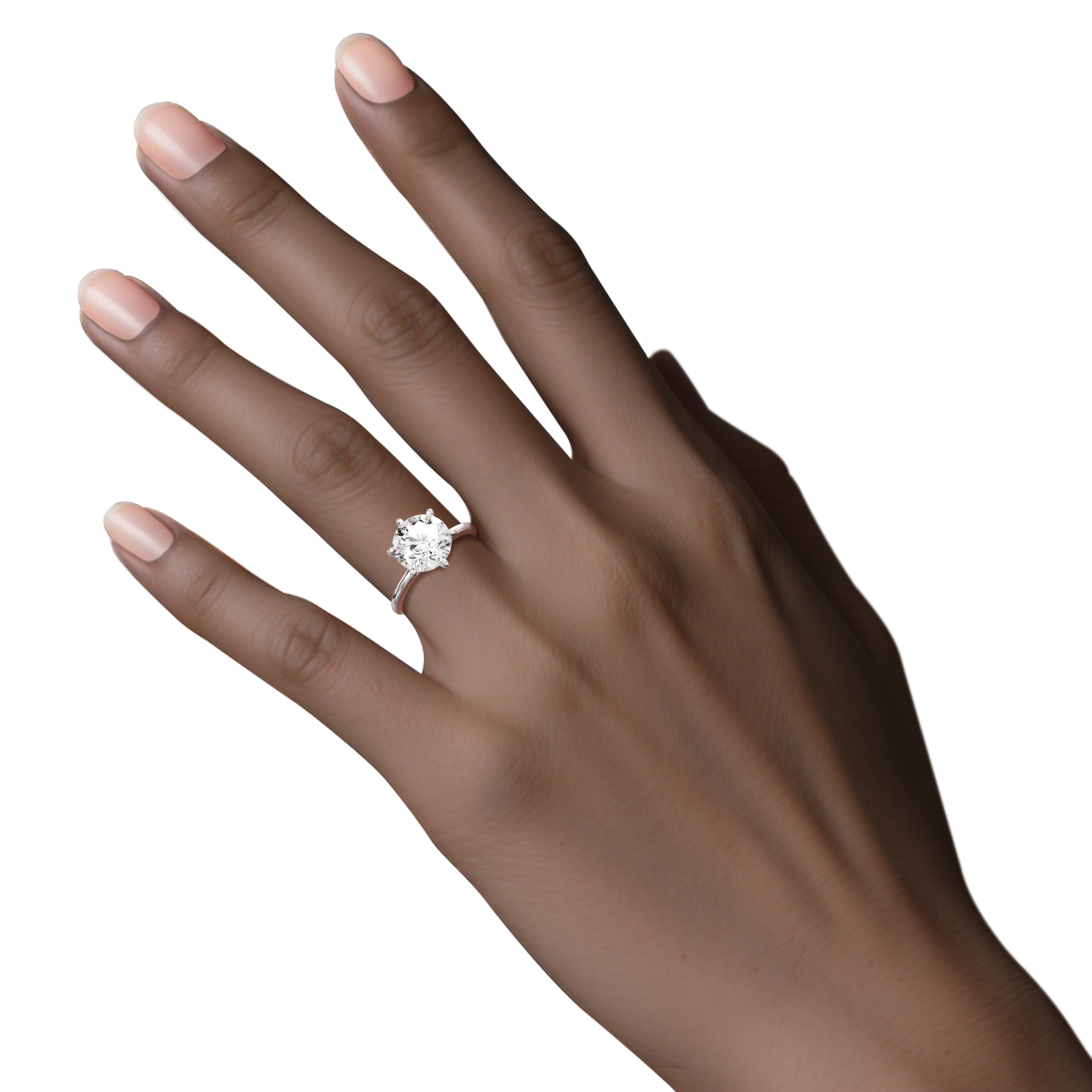
Introduction: A Calm Choice in a Loud Market
A winter evening, soft lamp light, two people compare rings on a small laptop. Bridal sets seem to promise harmony and finality in one purchase. Yet, the market is loud: more than half of buyers now look for pre-matched sets, and many spend weeks scrolling reviews and photos. The data is clear but odd—return rates rise when sets feel bulky in real life, and resizing after the ceremony happens more than vendors admit. So, what is the quiet truth behind the polished images, and how do you read quality under the glare of marketing (and a bit of pressure)? We will use a cool head and clear terms, without drama. The aim is simple: understand where fit, durability, and balance meet style—then judge with confidence. Next, we go into the hidden frictions that classic advice usually hides.

The Deeper Layer: Why Many Sets Work in Photos, Not in Life
Most sets are built to sell the photos, not to survive daily wear. When you hear “perfect match,” ask if the engineering matches too. With bridal sets rings, small design choices shape big outcomes. A tall halo and a high prong setting look grand, but they snag on knits and loosen over time—funny how that works, right? A band that curves too tight may crowd the shank, causing spin. And spin means more micro-pavé stress and stone loss. Look, it’s simpler than you think: balance the center stone’s carat weight with a stable base and a low profile.
Where do choices go wrong?
Traditional advice says “solder the set and you will be fine.” Often not. Mixed metals (say, platinum with 14k white gold) have different hardness; uneven wear shows fast. Rhodium plating fades; if your base alloy is too soft, you will re-plate and polish again and again. Channel-set accents resist snagging but can add stiffness that pinches near the knuckle after resizing. And a lovely contour can create dirt traps; then your brilliance drops and cleaning becomes a ritual. The pain point is not style—it is maintenance load. Better questions: What is the profile height? How does the contour clear the girdle? Are the tolerances realistic for daily life? Those answers decide comfort and cost, long after the proposal.
Forward-Looking Fit: Principles That Make a Set Future-Proof
What’s Next
Let us move from problems to first principles. New craft leans on CAD modeling, parametric sizing, and matched metallurgy—so geometry and metal hardness cooperate, not fight. A low-profile basket with a tapered shank reduces torque; a micro-pavé field is placed where flex is minimal; and seat angles in the prong setting are cut for both security and easy maintenance. In a modern oval bridal set, the elongated center is balanced with a subtle counterweight in the band; this reduces spin without bulk. Compare that with older, tall builds: they look bigger on the finger, but they drift and snag more. Small choice, large effect—and yes, your shirt cuffs will thank you.
Think like a systems engineer, softly. Metal pairing matters: 18k gold against platinum can cause asymmetric wear; pick matched alloys or use a sacrificial liner. Profile matters: a 1.7–2.0 mm comfort-fit band keeps circulation clear while still supporting a 1–1.5 ct center. Maintenance matters: rhodium plating schedules, prong checks, and cleaning access. When designers simulate stress in CAD and test clearances around the halo and contour, the set stays bright with less effort. That is the real-world impact: fewer repairs, stable brilliance, and a calmer daily feel.

To choose well, use three metrics. Advisory, not sales talk. First, fit geometry: profile height under 6 mm for active hands, and contour clearance that does not pinch the girdle. Second, material integrity: compatible alloys and prong density that protect micro-pavé. Third, lifecycle plan: clear intervals for rhodium plating and service, with easy access to stones for cleaning. Summed up, design is destiny, maintenance is cost, and comfort is use. Choose with that in mind, and the set will live as beautifully as it looks. For a grounded reference point, see the craftsmanship ethos at Vivre Brilliance.