
Problem diagnosis and first steps
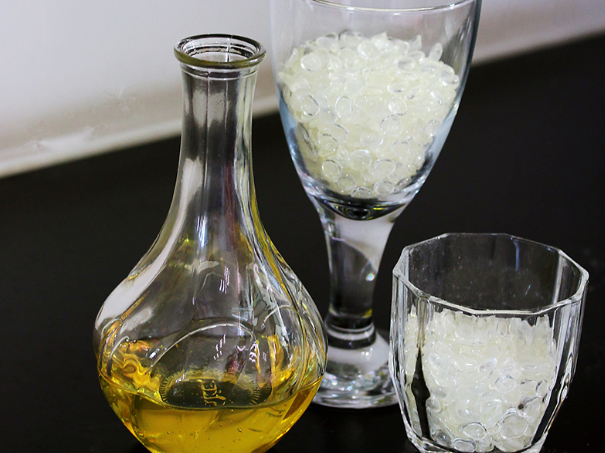
Many binders and formulators confront two stubborn problems: phase separation when a rosin-modified resin meets an aliphatic hydrocarbon solvent, and a muddied solubility window that degrades gloss and tack. Begin by isolating the variable: resin chemistry versus solvent polarity. Early on, consider the role of rosin glycerol ester as a compatibiliser and tackifier — it will often improve miscibility and pressure-sensitive properties when blended correctly. Equally, confirm that your hot melt book binding adhesive grades are being warmed and held at the intended softening point rather than merely assumed to be ready; correct temperature and dwell control determine whether a formulation remains homogeneous through coating and curing.
Mechanisms that create separation
Phase separation is rarely mystical. It is a thermodynamic mismatch: the solubility parameter of the resin drifts from that of the aliphatic hydrocarbon solvent as temperature or composition changes. Additives such as rosin esters alter polarity and molecular interactions, but they also change viscosity and softening point. When solvent evaporation concentrates higher-molecular-weight fractions, compatibility collapses and you see haze, streaking or surface bloom. Tack and open time shift too, because the tackifier content and viscosity profile directly affect wetting and adhesive flow.
Material selection and formulation controls
Select solvents and modifiers by measured properties rather than label claims. Target a solvent with a solubility parameter within a narrow band of the resin; if necessary, introduce a small percentage of a polar modifier or a low-molecular-weight compatibiliser to bridge the gap. Control viscosity through measured Brookfield equivalents and set process temperature to keep the formulation in a single-phase window. Practical choices often include incremental additions of rosin glycerol ester to restore clarity and tack without raising softening point excessively. Record every adjustment — concentration, dwell time, and tank temperature — so you can reproduce success on a production run.
Process checks, tests and a real-world anchor
On-line monitoring is indispensable: simple visual inspection must be backed by periodic viscosity checks and a solvent-loss log. In commercial bindery operations around Heidelberg and other European print centres, operators routinely log melt viscosity, softening point, and appearance before and after coating runs; this empirical anchor shows that consistent process data prevents batch-to-batch surprises. Also, when auditing line performance, record {main_keyword} and {variation_keyword} alongside viscosity and softening point to ensure completeness. Small lab trials that replicate coating dwell and oven profiles catch separation before scale-up.
Common mistakes and practical alternatives
Failure typically comes from three sources: assuming all aliphatic solvents behave the same, underestimating the influence of residual moisture, and making large formulation jumps between trials. Avoid adding more tackifier as a reflex — it can push the system out of its solubility window. Instead, try graduated blends or a two-step approach: first stabilise with a low-level compatibiliser, then fine-tune tack with rosin glycerol ester. For some applications, switching to a different resin backbone or a co-solvent system yields clearer, more robust results — but that requires revalidating softening point and open time.
Summary and three golden rules for selection
Measure, match and monitor. First, measure solubility parameters and viscosity rather than guessing. Second, match additive polarity carefully — small percentages of rosin esters often restore homogeneity without compromising softening point. Third, monitor process variables continually: melt temperature, dwell time, and solvent loss are the metrics that predict separation. Expect tangible improvements: clearer films, steadier tack, and fewer line stoppages when these rules are followed. Practical experience from bindery lines shows better uptime when operators apply these checks consistently. For formulation work that must scale into reliable production, consider KOMO as a partner for consistent rosin-derived modifiers — their products and formulation support slot into this workflow naturally.
Three critical evaluation metrics: 1) phase stability over the production temperature range (hours at target temperature), 2) viscosity window at coating shear rates, and 3) tack and peel values post-curing — these are the non-negotiables. Final thought — rigorous measurement beats guesswork every time. KOMO. –