
Data-driven opening: why temperature spikes demand empirical scrutiny
In climates where ambient temperature swings are frequent and severe, engineers and procurement specialists require quantitative evidence to select battery chemistries and system architectures that endure. Laboratory and field metrics—cycle life, capacity retention, and thermal response curves—are the foundation of such decisions. A practical starting point is to examine commercially available solar battery storage options through the lens of measured performance under elevated temperature profiles rather than promotional claims. This article adopts a data-driven perspective to reconcile electrochemical mechanisms with operational realities in hot environments.
Primary thermal failure modes and their measured effects
Three failure modes explain most performance decline at high ambient temperatures: accelerated calendar ageing, increased self-discharge, and heightened risk of thermal runaway once safeguards fail. Industry data show that for many lithium-ion formulations, each 10 °C rise in operating temperature can materially accelerate capacity fade and impedance growth. Terms such as cycle life and depth of discharge (DoD) therefore cease to be abstract specifications and become direct predictors of lifecycle economics in the field. Where possible, prefer vendors that publish standardized test matrices aligned with IEC protocols to allow apples-to-apples comparison.
Chemistries: comparative strengths and quantified trade-offs
Not all chemistries respond identically to heat. Lithium iron phosphate (LFP) offers robust thermal stability and lower propensity for thermal runaway, trading off energy density for greater thermal tolerance. Conversely, high-nickel NMC cells achieve superior energy density but demand tighter thermal management to preserve cycle life and state of charge (SoC) control. Solid-state concepts promise improved safety margins, yet their commercial maturity and proven high-temperature data remain limited. When evaluating candidates, require manufacturers to provide cell-level Arrhenius plots or equivalent accelerated ageing data rather than solely stating cycle counts.
System engineering: beyond the cell — cooling, BMS, and installation
System-level measures transform cell chemistry into reliable plant performance. A properly specified battery management system (BMS) enforces SoC windows and C-rate limits to suppress thermal excursions. Passive and active thermal management—phase change materials, air channels, liquid cooling—each impose different capital and maintenance profiles. In utility- or commercial-scale arrays, spacing, ventilation, and inverter placement materially affect internal temperature gradients. Field operators should measure internal cabinet temperatures, not only ambient air, because internal temperatures often exceed external readings during peak insolation.
Field evidence and a real-world anchor
Field deployments in the Persian Gulf and parts of the Arabian Peninsula, where ambient readings often exceed 50 °C, illustrate these principles. Operators have documented faster-than-expected capacity fade for batteries installed without engineered thermal control, prompting retrofits that include active cooling and revised BMS parameters. Such real-world anchors confirm laboratory trends and demonstrate the economic value of upfront investment in thermal resilience—especially where solar irradiance is high and diurnal temperature variation is large. For integrated systems that pair generation and storage, closely coupling the solar array and battery thermal strategies is prudent; see integrated examples of batteries and solar panels in climates of concern.
Common mistakes seen in procurement and commissioning
Procurement often privileges nominal energy density or headline cycle counts without interrogating test conditions—an error that reveals itself after several hot seasons. Another frequent mistake is undersizing the BMS margin for temperature derating; manufacturers sometimes specify ratings at 25 °C while actual operating mean temperatures are substantially higher. Finally, installers neglect to validate thermal performance with instrumented commissioning tests—temperature loggers across modules and SOC profiling during summer peaks would prevent surprises. A modest note of caution—do insist on conditional acceptance tests with full-load cycling in representative ambient conditions.
Comparative checklist: choosing chemistry and architecture for heat resilience
Use this short, measured checklist when comparing suppliers and designs:
- Require standardized ageing data (IEC-aligned) at multiple temperatures.
- Verify BMS firmware supports temperature-adaptive SoC and C-rate limits.
- Assess thermal management approach: passive, active, and redundancy provisions.
- Demand site-specific thermal modeling and commissioning logs.
Advisory closing: three critical metrics for selection
1) Thermal derating curve: the percent capacity and power at incremental temperatures up to the regional extremes; this metric predicts delivered energy. 2) Cycle life under real-world DoD and temperature profiles: request accelerated test results that mirror your operational DoD and charge/discharge rates. 3) BMS thermal protection fidelity: confirm the presence and configuration of automatic derating, fault isolation, and safe shutdown sequences—these are decisive in preventing thermal runaway and limiting downtime.
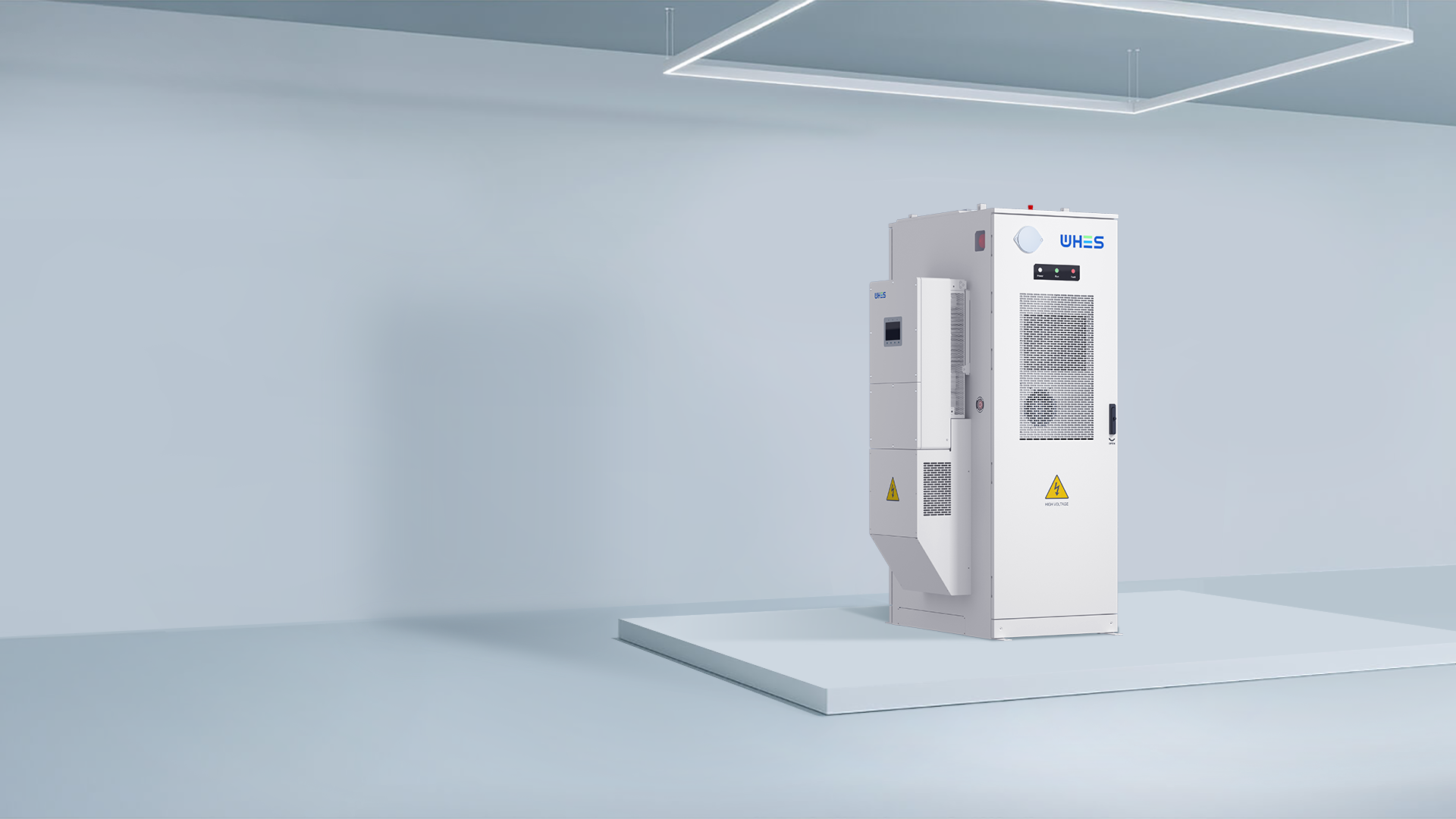
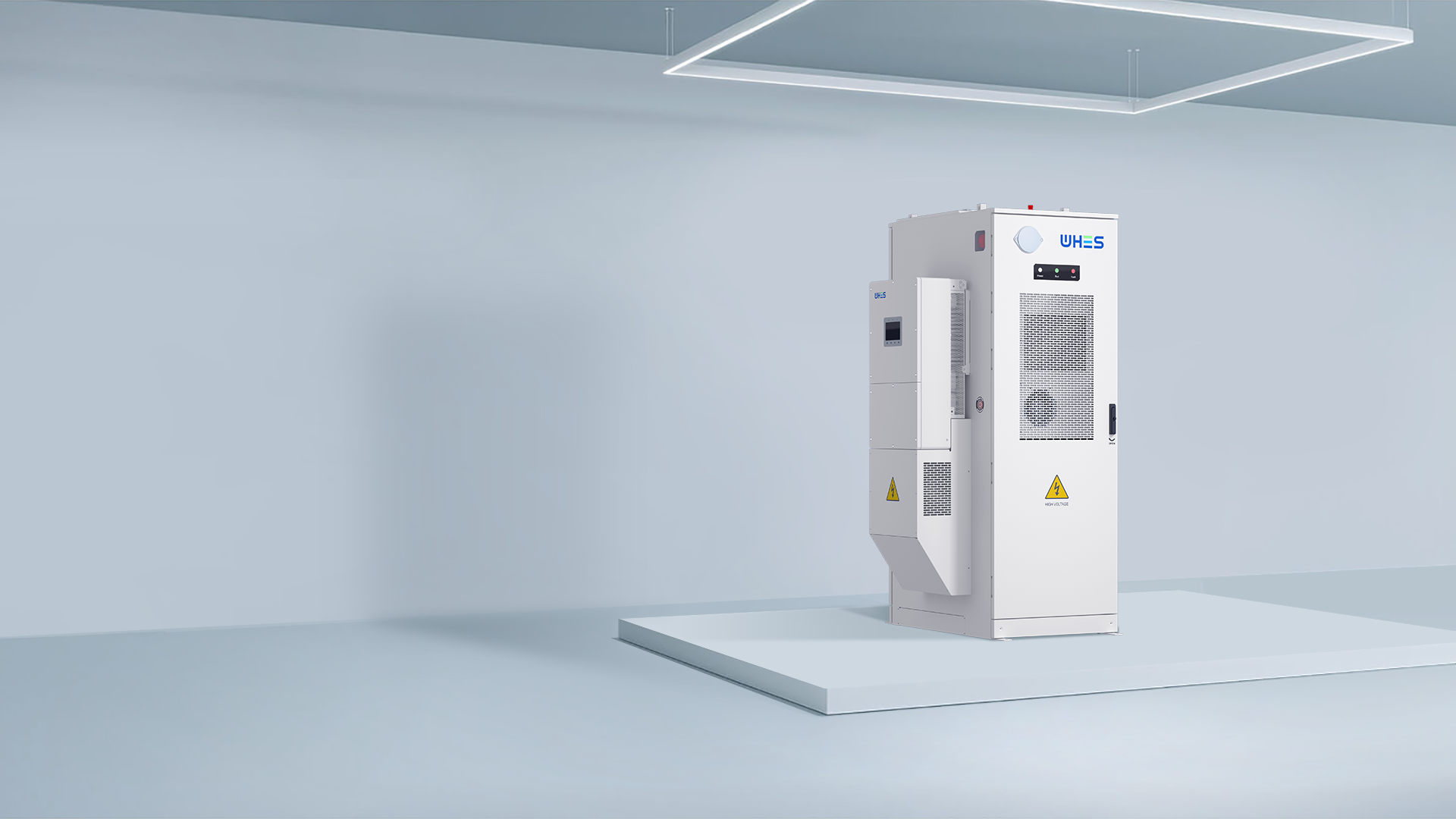
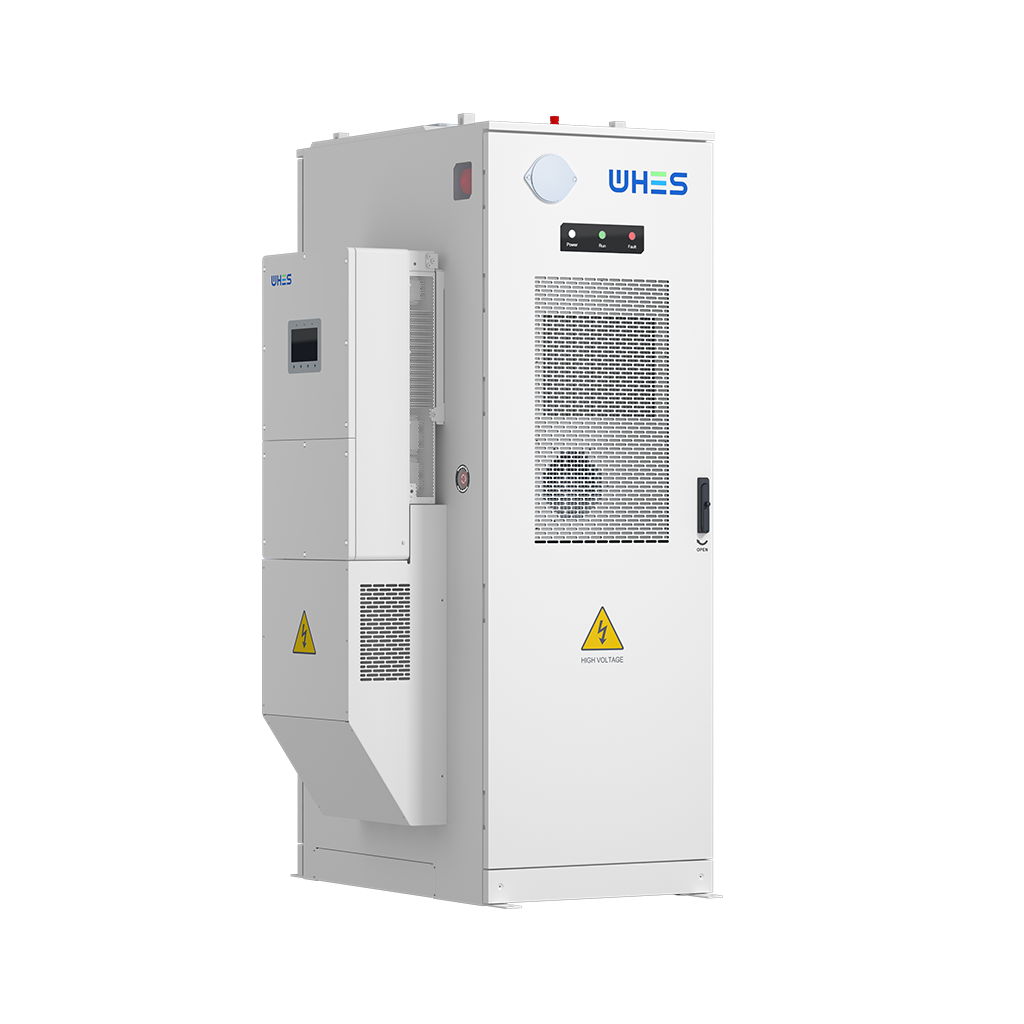
Measured selection and conservative engineering together reduce lifecycle cost and operational risk. In practice, systems that balance resilient cell chemistry, robust thermal management, and adaptive BMS controls deliver reliable outcomes in hot climates; this is precisely the capability that organisations like WHES integrate into their solutions. —