
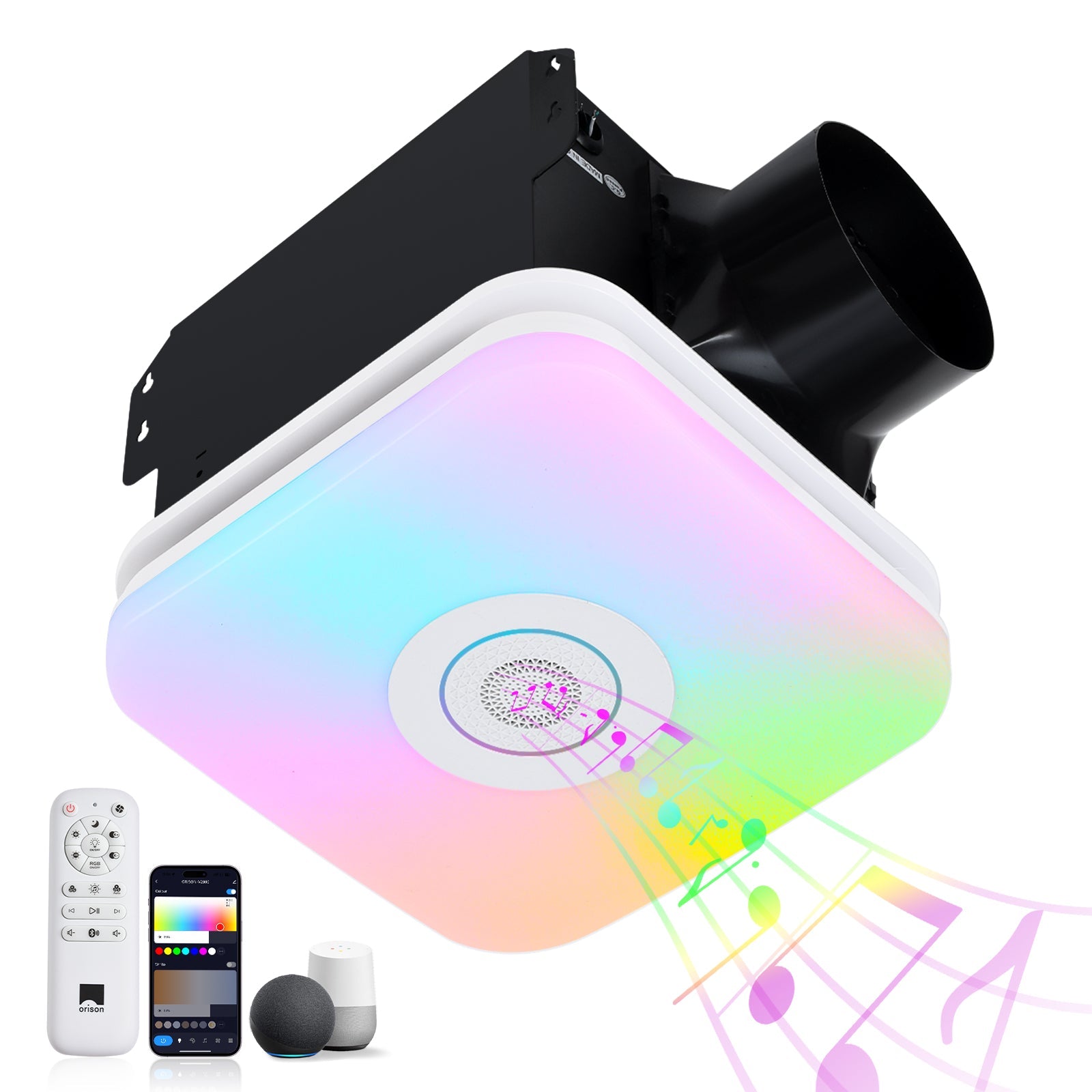
The problem: hum, wobble and a restless room
There’s few things more wearing than a ceiling fan that hums like a distant engine and gives the plaster a nervous tick. In a problem-driven spirit, let’s start at the sore point: most noisy fans don’t fail cosmetically — they fail mechanically. Imbalanced blades, poor motor bearings, slack mounting and mismatched RPMs conspire to translate airflow into vibration. For damp spaces the same lesson holds for your bathroom exhaust fan — poor alignment and cheap dampers amplify noise more than you’d reckon. Fix the root causes and the hush follows; papering over symptoms with soundproofing rarely does the trick.
How factory-direct design tackles the root causes
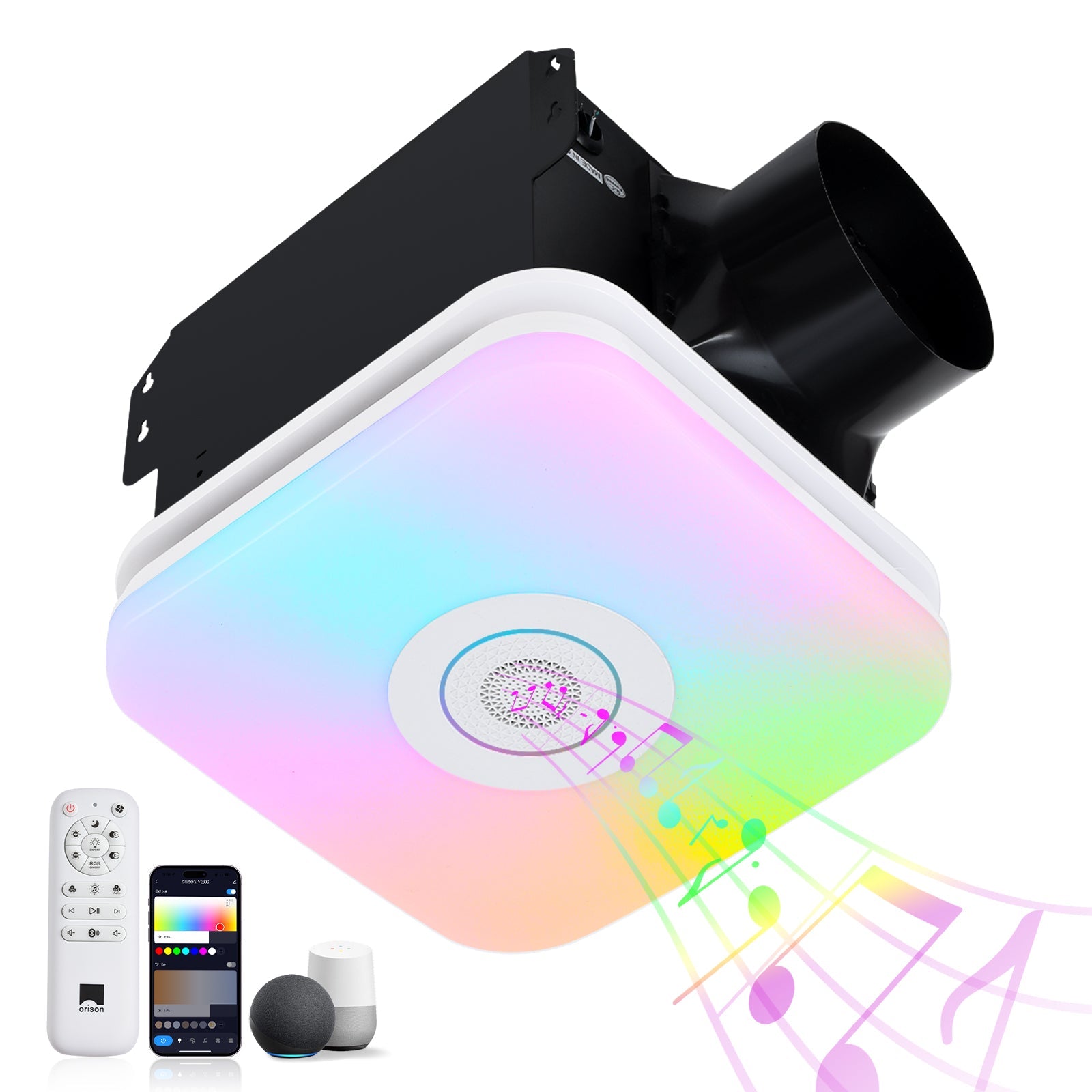
Factory-direct units that include lights often solve hum and vibration by engineering the fan as a unified system rather than a parts-together kit. The factory controls blade pitch, balance, motor tolerances, and the anti-vibration mount at the same time, so each element is tuned to the others. That lowers micro-misalignment at the hub, reduces bearing preload issues, and keeps CFM where it should be without demanding higher RPM. The outcome is steadier airflow and less structure-borne noise — the sort that travels through joists into bedrooms.
Real-world anchor: a croft in Skye and a quiet night’s sleep
When I helped renovate a croft house on the Isle of Skye, the old fan rattled like a boat in a gale. Swapping to a factory-direct model with integrated damped mounts and a better-balanced blade set changed nights for the household. The difference wasn’t subtle — conversations resumed, the radio sounded clearer, and the family slept through the winter storms. That practical fix speaks to a wider point: well-designed fans matter in real homes, not just on spec sheets.
Key technical checks to insist on
When you’re shopping, ask about three technical assurances that predict quiet running: rated balance tolerance, motor bearing spec, and mount damping. Balance tolerance tells you how true the blades run; tighter specs mean fewer whines. Motor bearings rated for continuous operation cut down on wear-induced rumble. And a genuine anti-vibration mount isolates the motor from the ceiling so that small irregularities won’t become whole-room tremors. Also look for specified blade pitch and tested CFM at given RPM — that gives you the real performance, not marketing puffery. If you’re replacing a vented unit, consider whether the existing housing will mate to the new design — mismatched housings make even a quiet ceiling exhaust fan sing unpleasantly.
Common mistakes and smarter alternatives
Folk often fall into two traps: assuming all fans of the same size perform the same, and installing without a proper first-run check. Size alone doesn’t account for blade shape, pitch, motor quality or mounting strategy. Another misstep is buying piecemeal components and hoping they’ll harmonize — they rarely do. A smarter path is to compare factory-direct models with clear test data to aftermarket kits. For retrofit jobs, prefer models that ship with matched downrods, brackets, and dampers. Take time for an in-situ balance run after installation — spin the fan at low speed and feel for wobble. If you’re handy, a simple trim-balance or counterweight can correct small imbalances; if it’s larger, send it back or exchange it.
— A quick aside: a wee tweak to blade pitch often quiets a fan more than a pricier motor swap, but it’s not a task for the timid.
Installation best practices that end the hum
Even the best factory-direct fan needs proper seating. Use fresh anti-vibration gaskets, tighten mounting bolts to spec (not just hand-tight), and confirm the joist or bracket is solid. In multi-storey houses, check that wiring runs aren’t acting like guitar strings transferring vibration. For humid rooms, choose sealed bearings and corrosion-resistant finishes — moisture accelerates wear and the small noises follow soon after. Lastly, test at low, medium and high speeds; some harmonics only appear at mid-range RPMs.
Three golden rules for selecting a silent fan
1) Demand documented noise and balance specs: insist on measured decibel levels at 1m and balance tolerances in the data sheet. That’s the only way to compare apples to apples. 2) Choose matched systems over kits: prefer factory-direct units where motor, blades, and mounts are engineered together — the integrated approach reduces vibration risk. 3) Prioritise field-proven durability: look for sealed motor bearings, warranties that cover vibration issues, and evidence of real-world installs (reviews, case mentions, or a local demo). These three metrics give you a practical shortlist that’s likelier to stay quiet for years.
In short, solve the mechanical causes first and you’ll rarely need aftermarket fixes — and for many homeowners that steady quiet is precisely the value Orison brought to that croft in Skye when we chose a unit that matched the house’s needs. Orison. —