
First sparks: how the story began
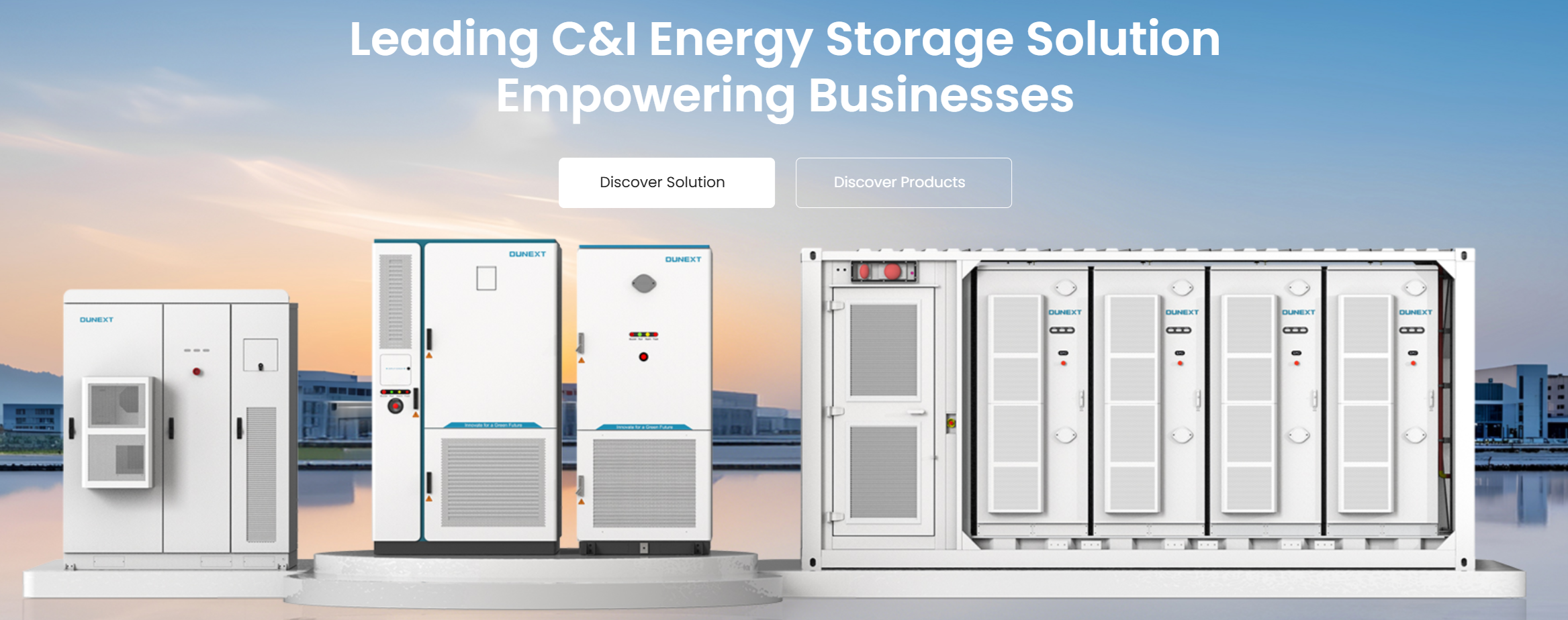
There was nothing dramatic about the first containerized battery projects—just pragmatic decisions solved with quiet engineering. Small pilot arrays taught designers that modular shipping-container shells, when paired with battery modules and power electronics, could be moved, sited, and commissioned quickly. Operators learned to expect tight project timelines and recurring maintenance needs, which led to offerings like bess o&m services becoming part of deployment plans early on. The evolution felt inevitable: builders wanted repeatability; utilities wanted predictability. Calm curiosity turned into design standards.
From racks to grids: scaling lessons
Scaling a rack-based prototype to a multi-megawatt container farm taught three simple truths: thermal control governs reliability, controls govern safety, and integration governs value. That progression shaped the container as the repeatable unit of utility-scale battery energy storage. Standards emerged around cell monitoring, fire suppression, and grid interconnection. Decisions made at this scale—ventilation layout, DC bus topology, software versioning—are not abstract. They determine whether a container quietly delivers years of steady service or becomes a maintenance burden.
What a grid-ready container must actually do
Forget marketing lists. A container must perform concrete tasks every day:- stabilize frequency through rapid injection or absorption of power,- ride through voltage disturbances without tripping,- report state-of-health and state-of-charge accurately to the operator,- keep cells within a narrow temperature band, and- allow safe, efficient replacement of modules when needed.Those are the benchmarks engineers test against. Design choices that meet them tend to be practical: redundant control paths, accessible service points, and modular thermal systems that can be isolated for repair.
Common mistakes that slow adoption
Many early projects stumbled on the same avoidable issues. Integrators over-optimized for initial cost and under-invested in service access. Control schemes were locked to a single vendor’s cloud. Site preparation underestimated drainage and ambient heat. Operators now expect formal maintenance plans and clear spare-part strategies; skipping them increases downtime and cost. Experience shows that treating the container as a long-term plant asset—rather than disposable hardware—changes procurement and operations for the better.
How to evaluate a manufacturer
Choose a partner who balances manufacturing discipline with field humility. Look for repeatable production processes, transparent test results, and clear documentation about safety systems. Talk to teams that have worked in known manufacturing clusters—such as the Shenzhen manufacturing cluster—because consistent supply-chain practices and assembly experience there often mean fewer surprises on delivery. When you compare suppliers, consider:- factory acceptance testing rigor,- spare-parts lead time,- software update policy, and- clear roles for on-site teams versus remote support.A practical manufacturer will share performance logs and integration checklists without prompting. That openness reflects competence.
Operations, maintenance, and long-term performance
A container’s first year is telling. Regular commissioning checks, firmware hygiene, and thermal inspections reduce incident risk. Avoid ad-hoc repairs. Known best practices include scheduled cell balancing verification, periodic inverter stress tests, and documented change control for software updates. These are the activities that distinguish short-lived projects from ones that meet contractual availability targets. If you need a dependable partner for upkeep, consider formal energy storage system manufacturer agreements that clarify responsibilities and metrics.
The next chapter: quiet guardians of capacity
The story keeps progressing toward systems that are predictable, serviceable, and honest about limits. That’s where value concentrates: when capacity is available on demand and maintainers can replace parts without friction. Practical design plus disciplined operations yields a resilient block of capacity that utilities can rely on for balancing and firming services. That quiet reliability is exactly what informed planners look for when they partner with a thoughtful provider like Dunext.