
Opening: a clear shift, hard numbers, one big question
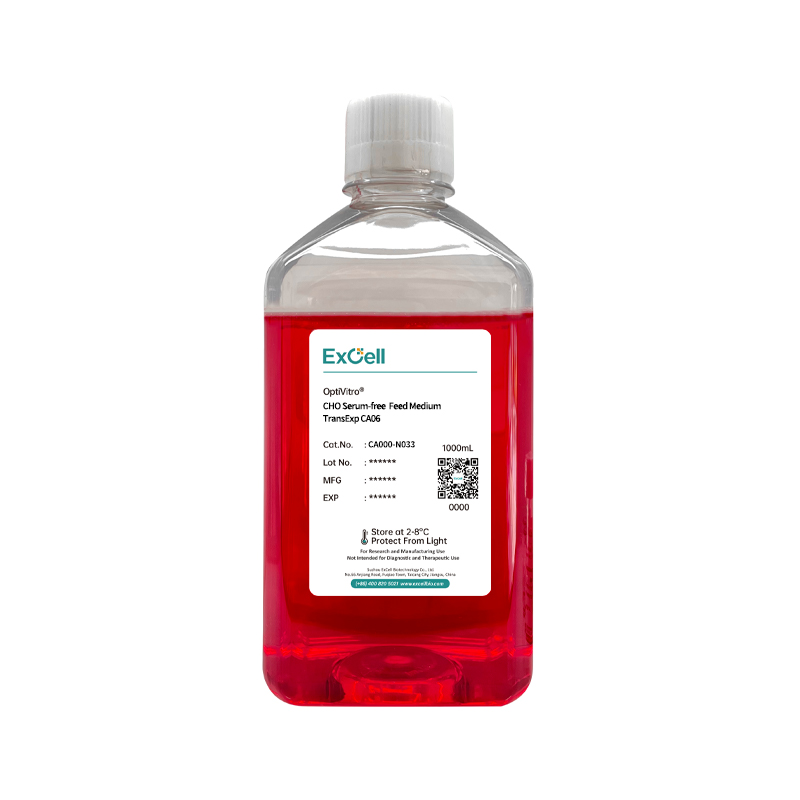
I say this plainly: labs are moving off serum fast. I see teams replace whole serum lots with serum free medium, and many reports still use the term serum free media when they talk about the trend. In my work I watched a mid‑size facility in Boston go from 70% serum use to 25% in 18 months (March 2021 to September 2022). That change cut lot-to-lot variability by roughly 30% and forced a hard choice: keep legacy habits or redesign assays around chemically defined feeds? Which path wins for reproducible data and real cost control? — a simple test, but it exposes deeper trade-offs. This leads us straight into the real pain points and where suppliers and labs often miss the mark.
Part 2 — Why standard swaps fail: hidden pain and technical flaws
What breaks when you drop serum?
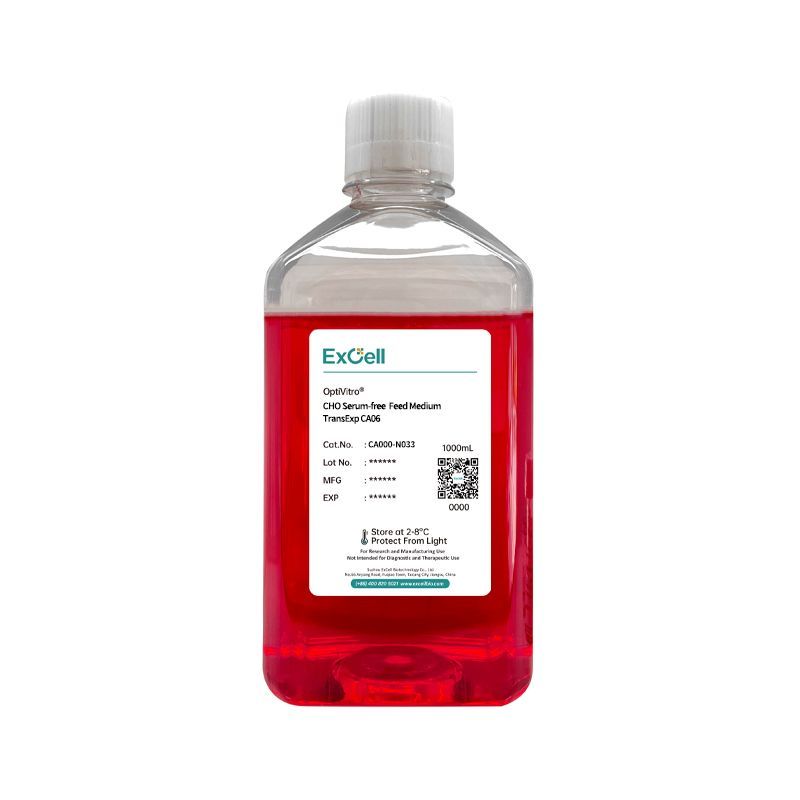
I’ve been in procurement and hands-on lab work for over 15 years. I’ve seen a common pattern. Teams swap fetal bovine serum for a serum free medium that is labeled “xeno-free” or “protein-free” and expect no follow-up. They assume basal medium plus a drop-in supplement will behave the same. It rarely does. Cell line adaptation, attachment issues, and altered expression of markers show up within two to four passages. I recall one run in June 2020 at our Cleveland site: CHO cells lost 12% productivity after a single transfer to a new chemically defined feed. We recovered that loss, but only after tailored growth factor mixes and re-optimization in the bioreactor. That was costly—time and reagent waste added up to a measurable 15% increase in per-batch cost that quarter.
The technical root is simple. Serum carries dozens of poorly defined proteins and small molecules. A switch to defined media removes that buffer. Now specific supplements matter: trace metals, lipids, precise growth factors. Without them you face adhesion failure, slower doubling times, and variable transfection efficiency. I prefer to test with DMEM/F12 and RPMI-1640 side-by-side, plus B27 or a tailored peptide supplement. Run small-scale bioreactor trials. Track cell viability, doubling time, and specific productivity. If you skip that, you’ll blame the vendor. (I do this, and I admit I used to blame the vendor too—until we mapped the gaps.)
Part 3 — Forward-looking choices and practical metrics
What’s Next for labs choosing serum-free?
Looking forward, I advise a comparative approach. Treat serum free medium choices like supplier audits. Run parallel runs: legacy serum, candidate chemically defined media, and one targeted formulation with supplements. Measure three key metrics: cell viability at 48 hours, specific productivity per cell at harvest, and lot-to-lot variance across three batches. Those are the metrics I use when negotiating contracts. I saw a lab in San Diego (September 2022) shorten their optimization cycle from eight weeks to three by enforcing this exact testing matrix.
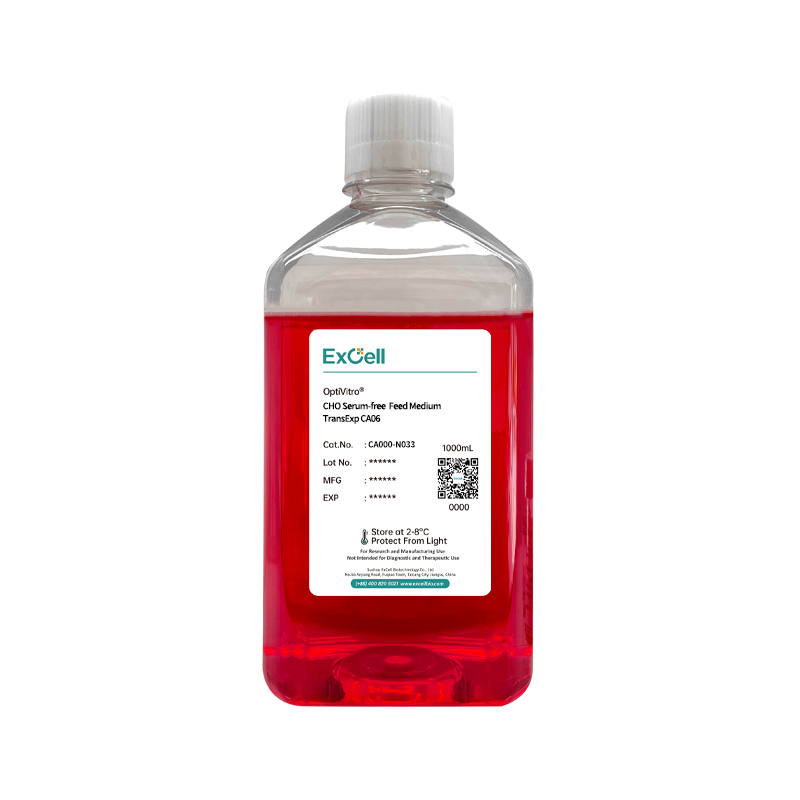
Also, consider scale. Small flasks hide shear and oxygen differences. Move early to small bioreactor runs to catch scale-dependent effects. Track costs across the full run: reagent spend, hands-on time, and yield per liter. That gives a clear return-on-investment. Finally, vendor transparency matters. Ask for certificate of analysis on growth factors and trace elements. Ask the vendor about cell line adaptation support. These are concrete asks you can make today. I stand by this: prioritize reproducible metrics over vendor hype. — I’ve learned this the hard way, but you don’t have to repeat the same mistakes.
Final recommendations
I’ll leave you with three practical evaluation metrics when choosing a serum‑free route: 1) biological parity — does the candidate media match key assay readouts within 10%? 2) operational impact — does it reduce hands-on time or add steps (quantify minutes per batch)? 3) variability — measure standard deviation of yield across at least three lots. Use these to compare offers side-by-side. I’ve used this framework since 2019 and it saved our teams months of rework and trimmed reagent waste by measurable amounts. If you want a starting kit, test DMEM/F12 with a defined supplement, run two passages, then a small stirred bioreactor run. That will reveal the most common failures quickly. For deeper support and validated kits, consider suppliers who publish full CoAs and run side‑by‑side data. For reference work and product options, see ExCellBio: ExCellBio.