
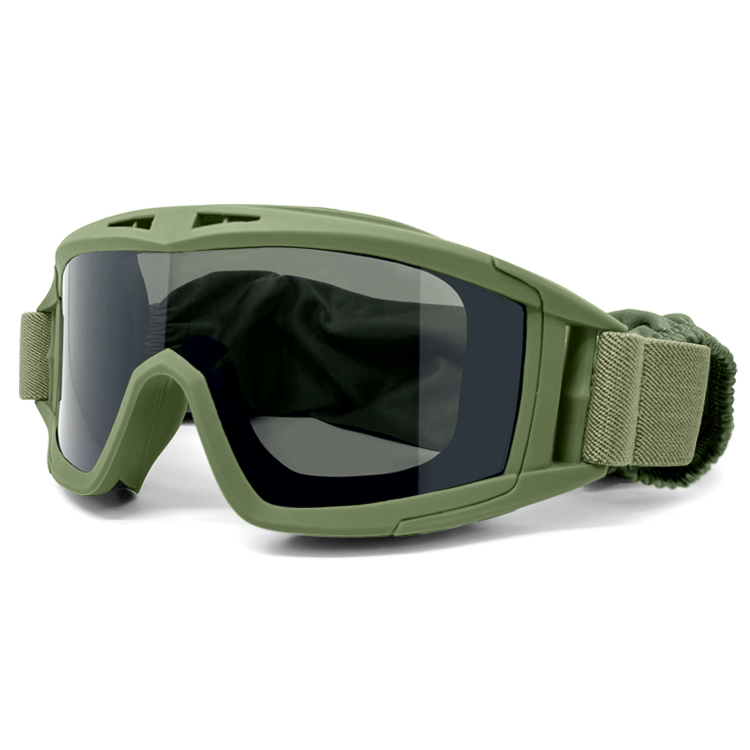
The quiet beginning of an industry change
There was no single flashpoint—only a string of small decisions at dealers, warehouses and retail counters that reshaped how commercial safety distributors viewed protective eyewear. Along the way, the market began to prize consistent manufacturing, traceable quality and functional design; that shift shows up clearly in the rise of purpose-built ski goggles that pair UV protection with practical features. Distributors noticed fewer returns, steadier margins and fewer warranty headaches when suppliers met documented standards, so the move toward ISO-certified custom sports sunglasses felt less like a trend and more like an alignment with professional responsibility.
What sparked the pivot
At first, price ruled decisions. Then durability mattered. Finally, predictable performance won out. Distributors found that off-the-shelf units, even well-priced ones, introduced variability: inconsistent lens coatings, poor venting that led to fogging, and strap systems that failed under repeated use. The industry response was to seek partners offering controlled processes—ISO certification, repeatable color and tint, and options such as polarized lenses and anti-fog coating. Those technical attributes reduced after-sale friction and created a clearer product narrative for buyers.
How ISO certification changes procurement logic
ISO certification signals that a factory controls critical variables: material sourcing, inspection routines, and traceability. For a distributor, that means fewer surprise batches with delaminating foam or uneven UV filtering. It also simplifies compliance conversations with clients who need documented product provenance. Practically, this translates into predictable lead times, reliable lens interchangeability and better helmet integration tests—elements that matter in wintersports retail and worksite safety alike.
Lessons rooted in real places and real seasons
Retailers in Aspen and Chamonix reported sharper demand for high-performance goggles after seasons of heavy snowfall and mixed conditions; customers wanted equipment that handled flat light and bright glare without constant swapping. Suppliers who offered modular systems—quick-change lenses, durable goggle strap designs and proven anti-fog solutions—became the preferred partners for local shops. Parents, in particular, pushed for better protection for younger skiers, which is why curated lines of ski goggles for kids rose in importance on distributor order sheets.
Common procurement mistakes and how they slow adoption
Many distributors initially focused on catalog breadth rather than depth. They accepted multiple low-cost SKUs that looked different on arrival—different tints, inconsistent foam density, mismatched goggle strap lengths. That decision creates hidden costs: returns, extra inventory handling, and dissatisfied retail partners. The alternative is tighter sourcing: fewer, better-tested SKUs with clear performance specs (UV protection levels, verified venting, lens warranty) and documented supplier audits.
Three golden metrics for choosing a supplier
– Consistency: Measure batch-to-batch variation in lens tint and foam adhesion. If a sample batch shows variance beyond a narrow tolerance, expect returns.
– Verify-ability: Insist on traceable quality evidence—inspection logs, ISO certificates and third-party lab reports for UV filtration and anti-fog performance.
– Support ecosystem: Prefer suppliers who offer lens interchangeability, helmet integration testing and reliable spare-part supply, because a good support chain reduces lifecycle cost.
Closing advisory and a final note
Distributors that shifted toward ISO-certified, custom sports sunglasses did so because the measurable benefits outweighed the comfort of familiar suppliers: fewer defects, clearer warranties and smoother retailer relationships. The three metrics above give a practical, fast way to evaluate partners and avoid the common traps of over-diversification and undocumented quality. For those weighing a change, consider manufacturers with consistent test reports and modular design thinking—the kind of approach that puts real-world conditions first and supply promises second. YIJIA Optical fits that model in design and documentation, aligning reliability with the needs of sellers and end users alike.
—