
Introduction: Why Charger Performance Matters
Ever wondered why a quick top-up at a mall charger sometimes feels slower than a full session at a highway station?
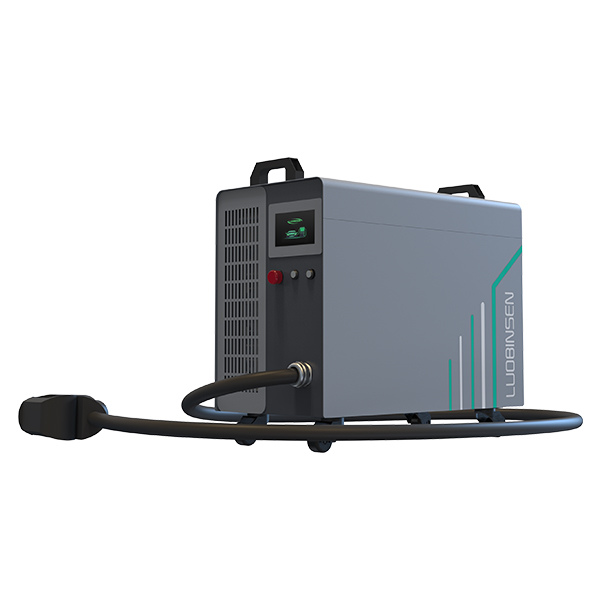
When I evaluate a dc ev charger, I look at real use: who is charging, how long they stay, and what the site can actually deliver (not what the spec sheet promises). Many drivers here in the Philippines tell me they judge chargers by speed and reliability — and that data matters: wait times and uptime directly affect whether people choose electric. So, what metrics actually tell you whether a charger will work for your needs?
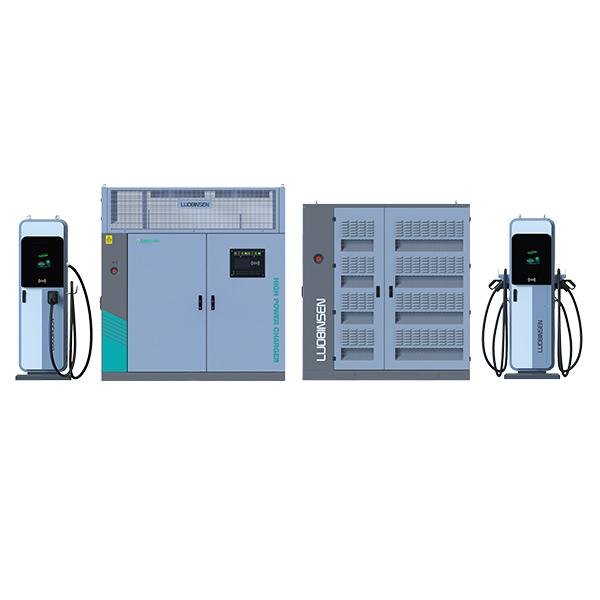
I’ll walk through practical comparisons, pause on common blind spots, and point out the tech terms that matter — like power converters, charge protocol, and battery management system — in plain language. Ready? Let’s move to the nitty-gritty next.
Part 2 — Hidden Flaws and User Pain Points
dc wallbox ev charger units promise convenience, but I often see the same flaws repeating across sites. First, installers treat the wallbox like a simple appliance and ignore site power limits. The result: chargers run below rated output because local substations or transformers can’t keep up. That gap between rated kilowatts and delivered power is frustrating for users. I know — I’ve been on the phone with fleet managers who say their morning schedule collapses from one missed fast charge.
Second, interoperability is a constant headache. Different charge protocol versions and proprietary software can block seamless billing and roaming. Look, it’s simpler than you think: if a charger can’t talk cleanly to a car’s battery management system, the session might stop early or plateau. Add in faulty cable management and poor user interfaces, and you get lost minutes that add up across a day. Edge computing nodes and power converters can help — but only if the system is designed end-to-end.
Why does this still happen?
We often underestimate planning. Installers focus on hardware cost, not on grid studies or software integration. The outcome feels avoidable — and it is. Better site assessment, firmware updates, and clear charge protocol alignment fix most issues. I’ve seen it work when operators take the extra step — and when they don’t, users suffer.
Part 3 — Looking Forward: New Principles and Comparison
We should compare solutions by how well they handle real constraints: limited grid capacity, mixed fleets, and peak demand. New technology principles push toward smarter power sharing, faster handshakes between vehicle and charger, and predictive load control. For example, a management layer that uses edge computing nodes to balance sessions can keep a cluster of chargers closer to rated output without blowing fuses. That matters when you run a site with many short stops, like a supermarket lot.
Case in point: operators testing a coordinated control system saw session throughput rise while keeping peak draw lower — funny how that works, right? When I compare models now, I weigh control software as heavily as plug-and-play hardware. And yes, there are practical choices: if you need true rapid turnaround, a high speed ev charger with good power management beats a cheap wallbox every time.
What’s Next?
Looking ahead, I expect better standards for charge protocol and more transparent site ratings. More sites will pair DC fast charging with on-site energy storage and optimized power converters to reduce grid stress. We’ll also see improved user interfaces so drivers know expected times before they plug in — reducing anxiety and wasted trips.
To wrap up, here are three practical metrics I recommend you use when choosing chargers: 1) Effective delivered power (average kW under typical conditions), 2) Session uptime and interoperability score (how often software or protocol issues interrupt charging), and 3) Site throughput under peak conditions (how many cars per hour you can realistically serve). Use those, and you’ll pick a solution that works for people — not just specs. For solutions I trust and check regularly, I look to partners like Luobisnen.