
Where Traditional Designs Break Down
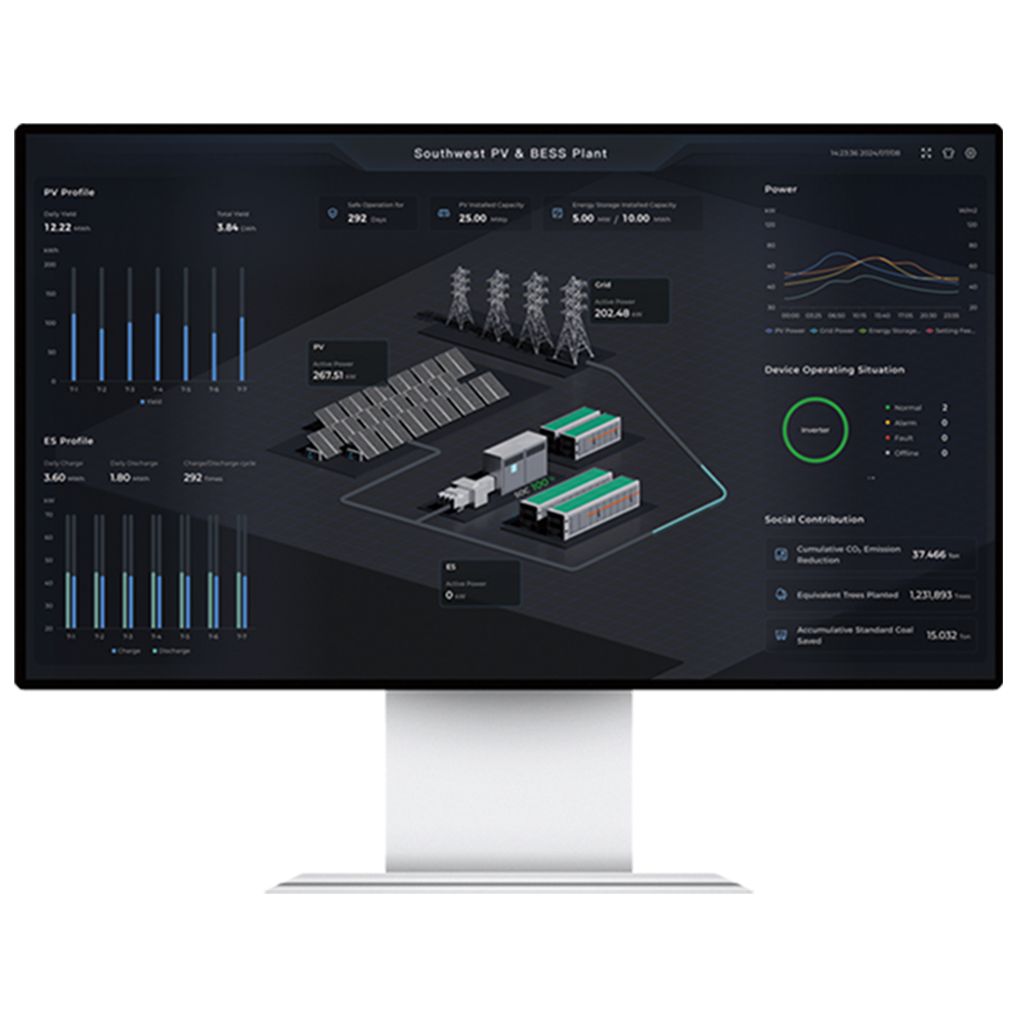
I vividly recall walking a 50 MW/200 MWh lithium-ion site on the outskirts of Houston in June 2020 — the afternoon load spike told the real story. I work every week on battery storage utility scale projects and that project (no joke) lost nearly 18% of its available discharge during the hottest hour because of simple control and thermal decisions. Scenario: summer peak; Data: 18% capacity loss on a staged dispatch; Question: how often are we modeling peak delivery but not the middle-of-the-day thermal collapse?
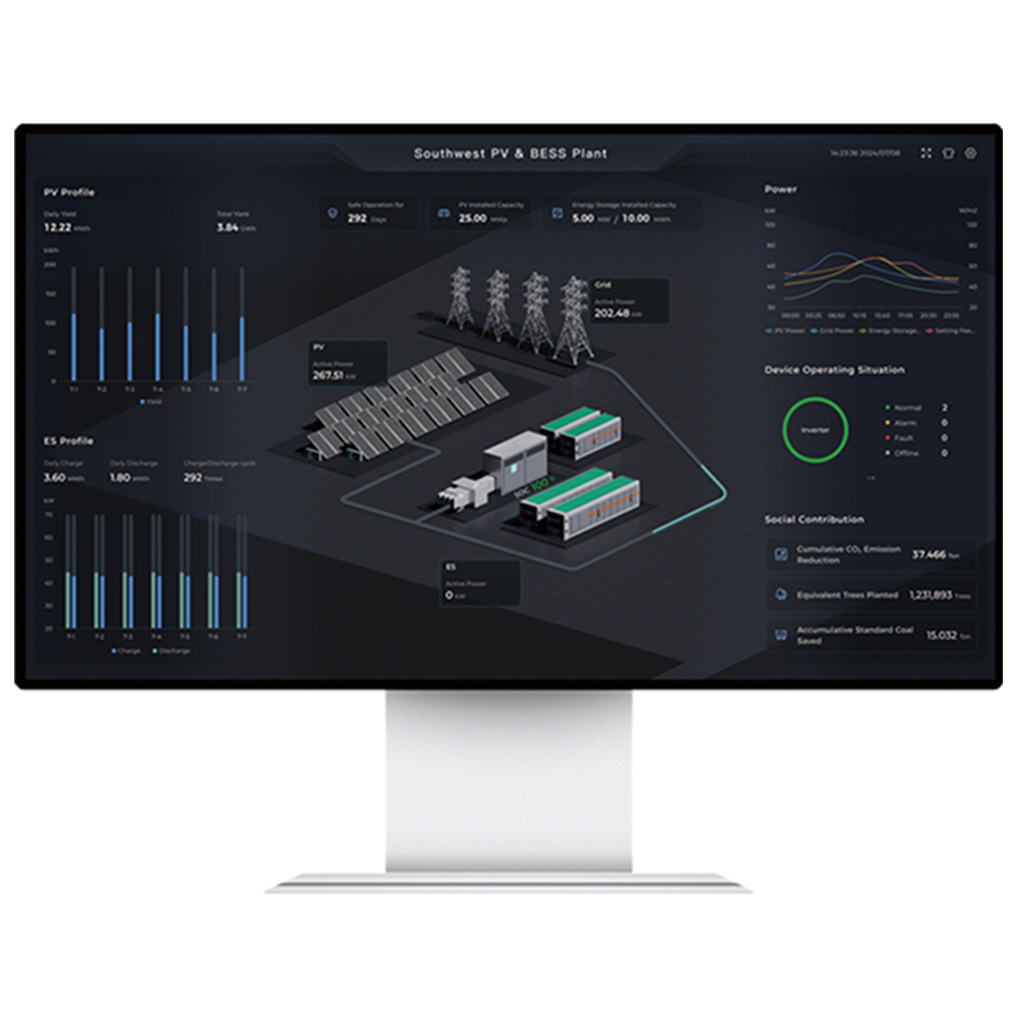
From my hands-on work over 18 years delivering grid-scale projects, two repeat faults stand out: control logic that ignores state of charge (SoC) nuances and system designs that under-spec the inverter and cooling envelope. I’ve seen a vendor-specified inverter rated at 6 MW get thermally derated to 4.5 MW when ambient temps rose — that’s a quantifiable hit to revenue and reliability. I’ll be blunt: the traditional single-scenario performance test is insufficient — and that failure costs money and reputation. Here’s what I’ve learned, and why it matters as we move forward.
— Next, let’s pivot to solutions that actually scale.
Forward-Looking Fixes and Comparative Choices
What’s Next?
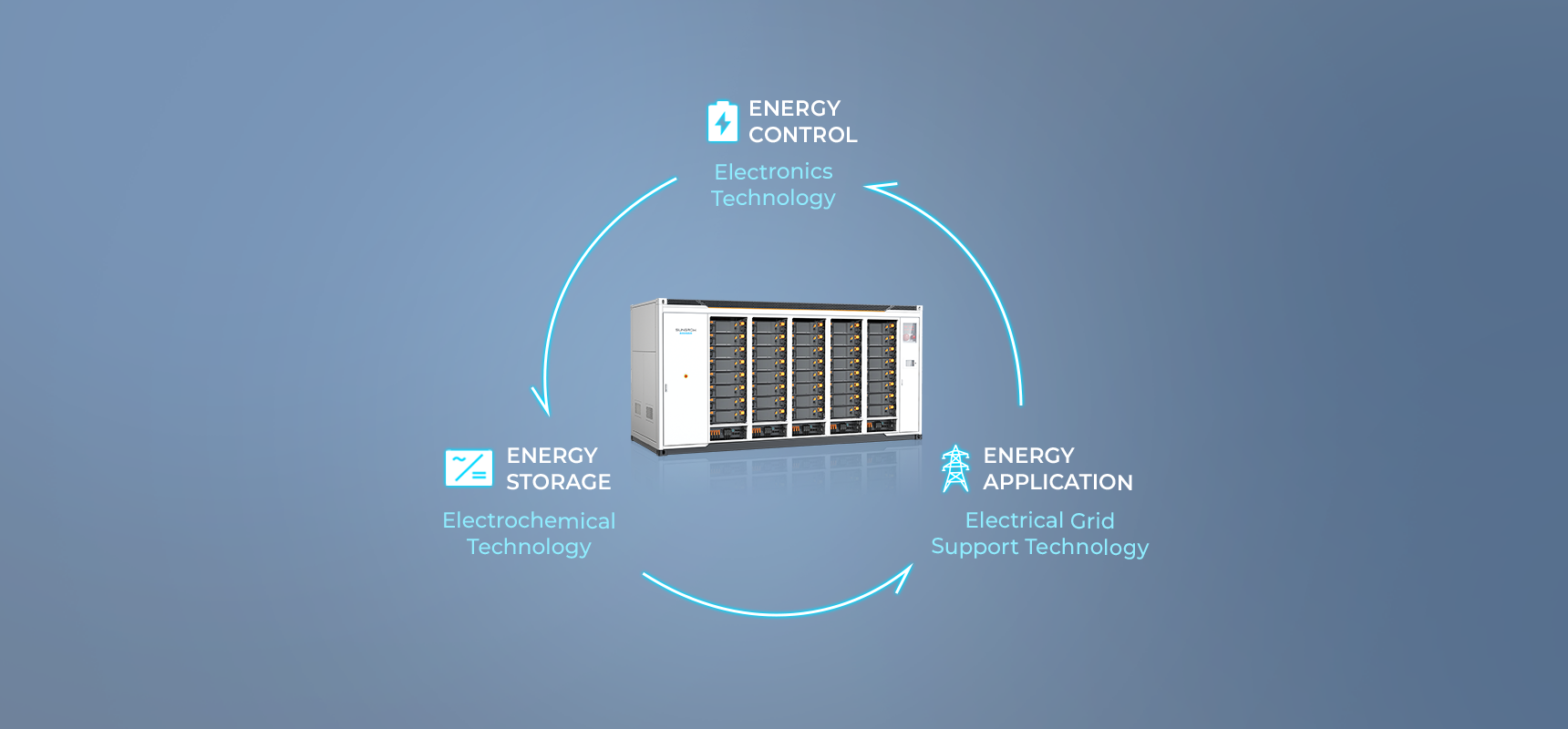
Now I’ll be direct: you can’t treat battery storage utility scale assets like oversized batteries for a building. Systems need layered control — SoC-aware dispatch, dynamic thermal management, and smarter inverter trim strategies — or you’re buying intermittent returns. When I compare two 2021 bids for a Midwest project, the one that included adaptive SoC windows and redundant thermal pumps delivered a 7% higher effective capacity during winter ramp events. That kind of delta matters to developers and grid operators alike.
Hold up. I don’t mean to overcomplicate things — small changes yield measurable results. I recommend three evaluation metrics to guide decisions: 1) real-world round-trip efficiency under thermal extremes (not factory test numbers); 2) effective MW delivery when inverters are thermally stressed; and 3) control flexibility — the ability to alter SoC targets by season or market signal. Those three give you a crisp lens to compare vendors and designs. Wait — one more point: lifecycle degradation projections tied to real duty cycles beat optimistic warranty claims every time.
I’ve sat in many boardrooms where numbers sounded good on paper but failed under stress. I still prefer candid metrics and site-proven performance; that’s how I justified an early retrofit in Arizona in March 2022 that recovered 4 MW of dispatch capacity through control and cooling tweaks (measured over six months). If you want resilience and returns, prioritize those metrics when choosing and negotiating systems — and don’t forget to validate with on-site commissioning tests. For hands-on partners who understand these trade-offs, I often point teams toward vendors with deep field experience like sungrow.