
Introduction
How will our machines keep up when cities demand quieter transit and factories run around the clock?
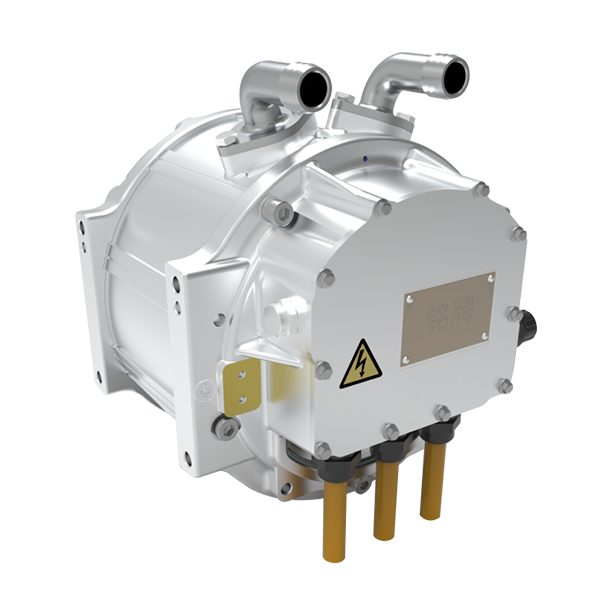
I believe the electric motor sits at the center of that race — powering everything from e-bikes to industrial drives (think less smoke, more torque). Recent data shows electric drive adoption has jumped by double digits in several sectors: passenger EVs grew over 40% in key markets last year, and industrial servo installations rose steadily as automation spread. So here’s the real question: are our current motors built to scale, adapt, and stay efficient as demands shift? I want to push this debate forward, and I’ll be frank — we need to weigh reliability, control systems, and thermal behavior together. Let’s dig into what we already know and where the cracks show, then map the smarter paths ahead.
Where Traditional Designs Fall Short
I want to start with a specific machine: the permanent magnet synchronous motor. In many plants and vehicle platforms, this topology is the go-to for efficiency and compactness. Yet I’ve seen the same headaches recur: overheating under burst loads, torque ripple that jars sensitive mechanisms, and inverters that struggle with regenerative events. These are not minor annoyances — they add maintenance hours, shorten service life, and complicate motor controller strategies. Field weakening zones become risky without precise flux control; power converters can be pushed into limits during emergency braking. Look, it’s simpler than you think: the motor itself is often right, but the surrounding electronics and cooling design are not matched well enough.
Why do these flaws persist?
Part of the problem is legacy expectations. Manufacturers asked for motors that fit old footprints while demanding new duty cycles. Engineers then patch with heavier cooling or oversized inverters — temporary fixes that raise cost and weight. I’ve worked through inverter tuning and seen the same decision tree: add a bigger heat sink, increase switching frequency, or accept lower peak torque. Each choice trades one metric for another. As a person who tests these systems, I can tell you the smarter route is integration — matching control algorithms to the motor’s magnetic design and the converter’s thermal headroom. That alignment reduces torque ripple, improves efficiency, and cuts system-level cost.
Looking Forward: Innovations, Case Uses, and How to Pick
Now let’s shift gear and look forward. I’m keen on practical principles that guide real upgrades rather than hype. Emerging approaches pair improved rotor magnet materials with adaptive control schemes to squeeze more performance from a compact package. For example, a modern pmsm motor combined with predictive motor controller software can operate at higher mean torque with less thermal stress. That means fewer unscheduled stops and longer uptime for machines on a 24/7 line. In a recent pilot I reviewed, swapping to an optimized pmsm motor and tuning the inverter cut energy losses by roughly 6–8% across a duty cycle — small per hour, big over a year.
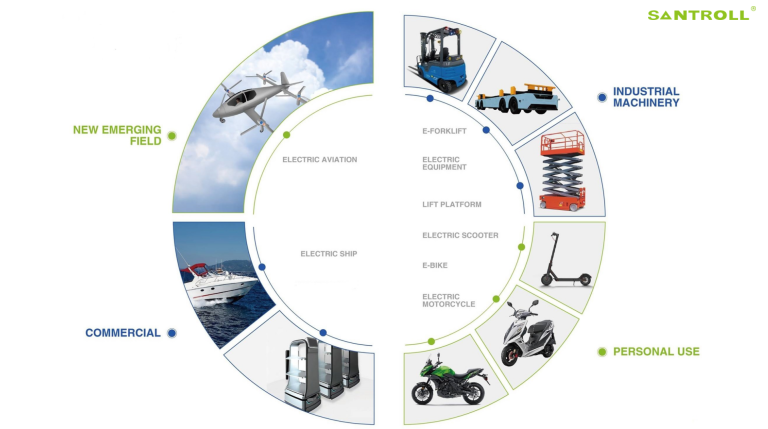
What’s Next? Manufacturers should evaluate systems, not just motors. Look at the whole chain: rotor design, magnet choice, inverter topology, and cooling strategy. Edge computing nodes for predictive diagnostics are becoming cheap enough to include. — funny how that works, right? Also, the trend toward modular power converters simplifies maintenance and lets teams scale capacity without a full redesign. I prefer solutions that let me adjust control parameters in the field; that flexibility matters more than marginal efficiency gains in many cases. Consider these practical metrics when you compare options:
1) Thermal headroom under peak and repeated loads — can the converter and motor stay within safe temps? 2) Control fidelity — does the motor allow fine flux and torque control to reduce ripple and improve ride/operation quality? 3) Serviceability and diagnostics — are there accessible sensors and logs for proactive maintenance? These three items are my go-to filters when I advise teams on upgrades. They cut through marketing claims and focus on what keeps systems running longer with less fuss. — and yes, you’ll save more than you spend if you pick wisely.
As we choose the next motors for our machines, I’ll keep testing and sharing my findings. For reliable product options and support, I often look to manufacturers with proven lines and global service networks like Santroll.