
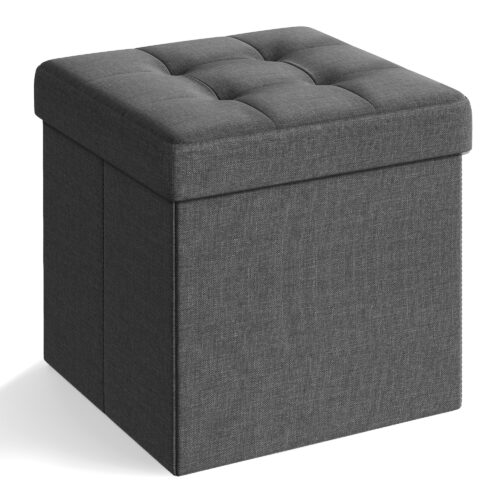
Why Smart Storage Changes the Game
Here is the quiet truth: the smartest seating works like a mini warehouse. An ottoman manufacturer that treats storage as serious engineering often gets fewer returns, faster repeat sales, and calmer customers. Picture a Nairobi apartment where the living room carries study gear, toys, and blankets. Floor space is tight; one unit must do many jobs. In dense cities, usable space per person keeps dropping, and yet clutter keeps rising—funny how that works, right? Recent retail audits show that multi-use furniture can reduce visible mess by up to 30% in small homes. That is not a guess; it is a trend.
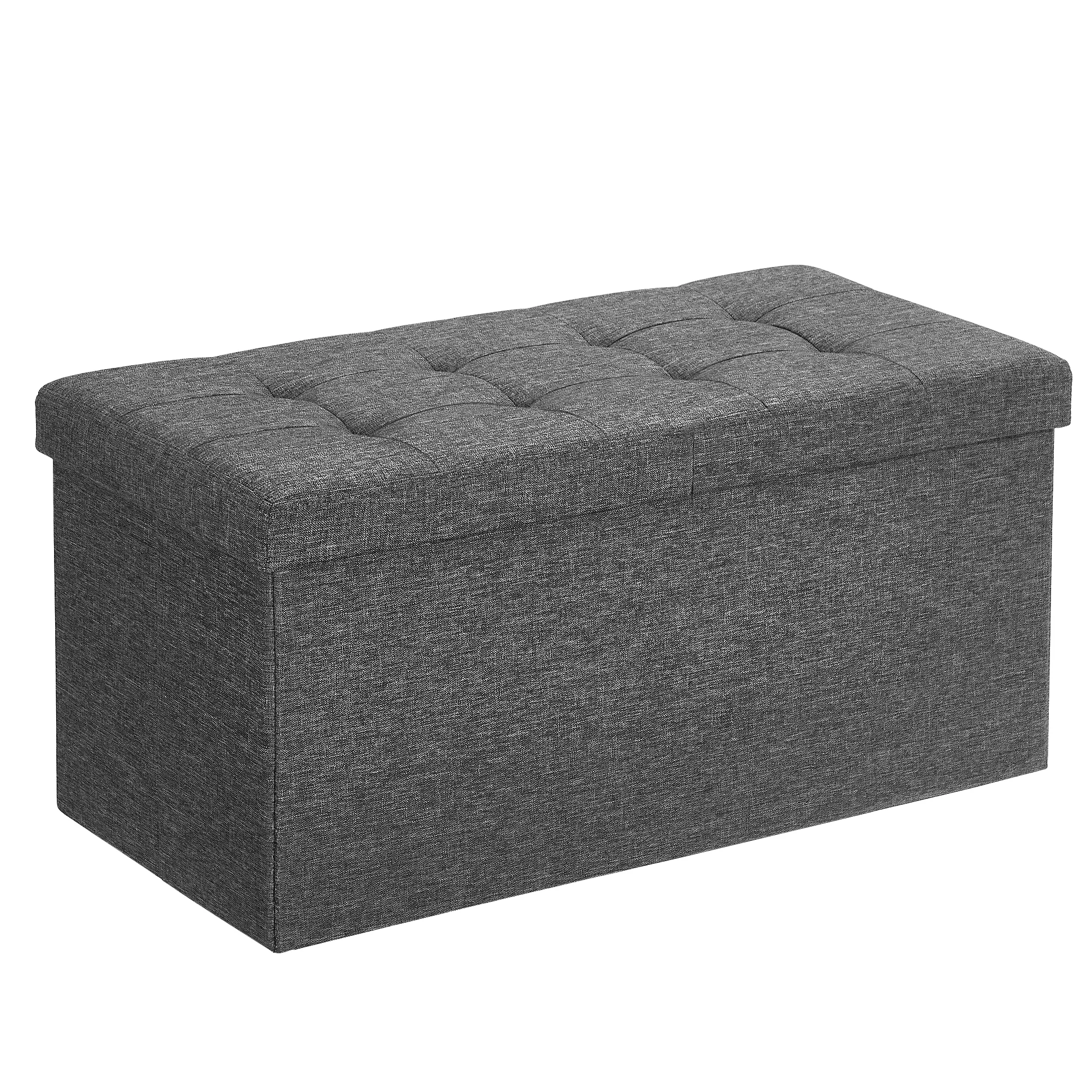
This raises a fair question: how do we move from a soft box to a steady system? The answer sits in design choices that improve safety and keep volume usable. Think of lead time control, proper QC checkpoints, and load testing that aligns with daily use. Add a clean hinge arc, a base that resists racking, and fabric that does not sag after a few months. We do this pole pole (slowly but surely), then scale. Today, we compare what works and what fails—so you can ask better questions in your next sourcing call.
The Hidden Pain Points Most Buyers Miss
Where do common fixes fail?
When storage ottoman manufacturers chase speed, they often reach for quick fixes: thick foam, heavy lids, and generic hinges. Look, it’s simpler than you think—but the details bite. Heavy lids demand the right hinge torque curve. If not, lids slam or stall. Cheap KD hardware magnifies tolerance stack-up, so the box twists and the lid gaps. Extra foam feels plush on day one, but it steals cubic volume from the box. And staples into soft MDF? That leads to early wobble and returns.
Traditional solutions hide other issues. Liners that are not breathable trap odours. Flimsy corner blocks shift under load, so the base creaks. Users want quick access, one-hand opening, and no pinched fingers. Yet many builds skip cycle testing and edge reinforcement. The result: poor durability, low storage yield, and stress. A smarter path uses stronger corner bracing, a predictable hinge geometry, and a base with simple shear resistance. That keeps QC failure rates stable and reduces rework in final assembly. This is the deeper layer: people do not only want a seat; they want safe, silent access and all the internal litres they paid for—without trade-offs.
From Patchwork to Principle: What’s Next
Real-world Impact
Let us look forward with a clear lens. The next wave leans on new technology principles, not patches. Start with CNC nesting to cut panels with tight tolerances and less scrap. Pair light plywood ribs with aluminium corner blocks to carry load along better paths. Use soft-close support with a tuned spring rate, so the hinge torque curve matches real-world motion. Add water-based adhesives to cut VOCs, and QR-coded batch tracking through a simple ERP workflow. Suddenly, cycle life jumps, lid effort drops, and internal volume climbs. Compare that to older builds—more steel, more weight, more waste—and you can see how the math lands.
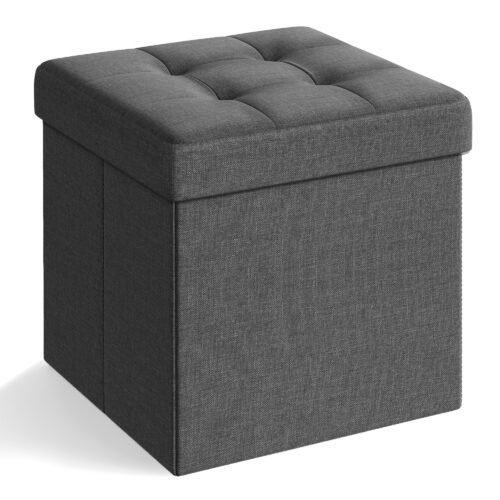
For buyers working through an ottoman wholesaler, the gains show up in cleaner SKUs, steadier COGS, and fewer after-sales headaches. Semi-formal as we are, we still like clear numbers. Usable volume ratio improves when wall thickness is controlled; hinge torque tuned to user strength reduces injury risk; and consistent corner bracing slashes racking complaints. The lesson from earlier sections stands, but we move it forward: do not mask problems with more foam or heavier lids—design them out. And remember, lighter units with better structure ship cheaper and arrive safer—funny how that works, right?
To close with advice you can apply tomorrow, use three evaluation metrics when choosing solutions: 1) Usable volume ratio (internal litres versus footprint), which shows real storage yield; 2) Verified cycle life for the lid mechanism (e.g., 20,000 opens) under load testing; 3) Return rate tied to structural faults over two seasons, which exposes weak joinery and poor hinge geometry. If a supplier can show test data and stable QC trends across batches, you are on solid ground. Keep the tone steady, ask for proofs, and sample from different lots. In the end, reliable storage is a system, not a stunt—just good engineering and better questions, supported by partners like SONGMICS HOME B2B.