

Immediate problem statement
School districts face a concrete threat: operational systems designed to keep kids safe are now high-value targets for attackers and misuse. Sensors, telematics, route planners and parent portals all create attack surfaces. When a district evaluates school bus fleet management choices, it needs to treat safety, personal data protection, and access control as interdependent failures rather than separate checkboxes. A practical starting point is to review any school bus fleet management deployment through threat scenarios tied to real operations.
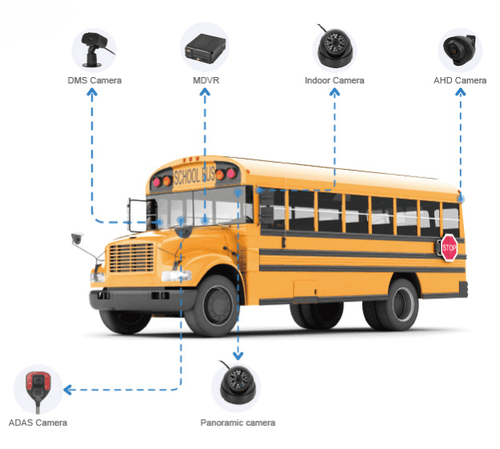
Threat landscape that drives priorities
Problems dictate where you spend effort. Typical, plausible threats worth prioritizing:- Unauthorized remote control or spoofing of GPS/telematics leading to route disruption.- Exposure of student or guardian personal data via parent apps or cloud services.- Internal misuse where drivers or dispatchers access more data or controls than needed.Recognize which threats map to safety, privacy, or access control and treat safety-first when threats overlap.
Data privacy and regulatory anchors
School transportation collects sensitive data: student locations, guardian contacts, health notes, and attendance patterns. That data needs technical protections plus clear retention and access policies. For districts operating at metropolitan scale, real deployments — such as the New York City Department of Education’s transportation network — show that bulk data handling must be categorized and minimized from the start. Apply least-privilege to datasets and enforce minimization: keep only what’s needed, then delete or anonymize.
Access control architecture — design decisions that matter
Design access around roles and risk, not convenience. Concrete controls to implement:- Role-based access with granular scopes for drivers, dispatch, maintenance, and parents.- Strong multi-factor authentication for staff portals and technicians.- Short-lived tokens for vehicle telematics and revocable keys for hardware.Segregate operational control channels (remote commands, firmware update) from telemetry and analytics. Treat maintenance consoles as highly sensitive and log all privileged actions.
Operational controls and processes
Technology fails without operational rules. Establish:- Change control for firmware and configuration updates, with peer review.- Incident runbooks for lost devices, data exposure, and access compromise.- Regular audits of user accounts, paired with mandatory training for drivers and dispatchers.Avoid letting vendors or third-party integrators operate with open blanket permissions; require scoped service accounts and transparent logs.
Technology choices and trade-offs
Choices create trade-offs. On telematics, for example:- Encrypted-but-centralized platforms simplify analytics but concentrate risk.- Edge-filtering reduces raw location exposure but adds device complexity.Evaluate vendors for secure OTA update mechanisms, authenticated device boot, and compartmentalized data flows. If you assess a vendor, check their operational log access and update verification process. For larger integrations, review a functioning school bus fleet management system to see practical segregation between telemetry, command channels, and parental interfaces.
Common pitfalls and how to avoid them
Districts repeatedly stumble on the same points:- Pitfall: Giving drivers broad access to student records. Fix: enforce role-limited mobile views.- Pitfall: Treating parent apps as marketing features rather than protected systems. Fix: force consented minimal data sharing and provide opt-outs.- Pitfall: Overreliance on perimeter defenses while ignoring compromised credentials. Fix: assume breach, build detection and rapid revoke paths.Simple policy plus automated enforcement prevents most failures. Don’t rely on manual revocation for emergency scenarios.
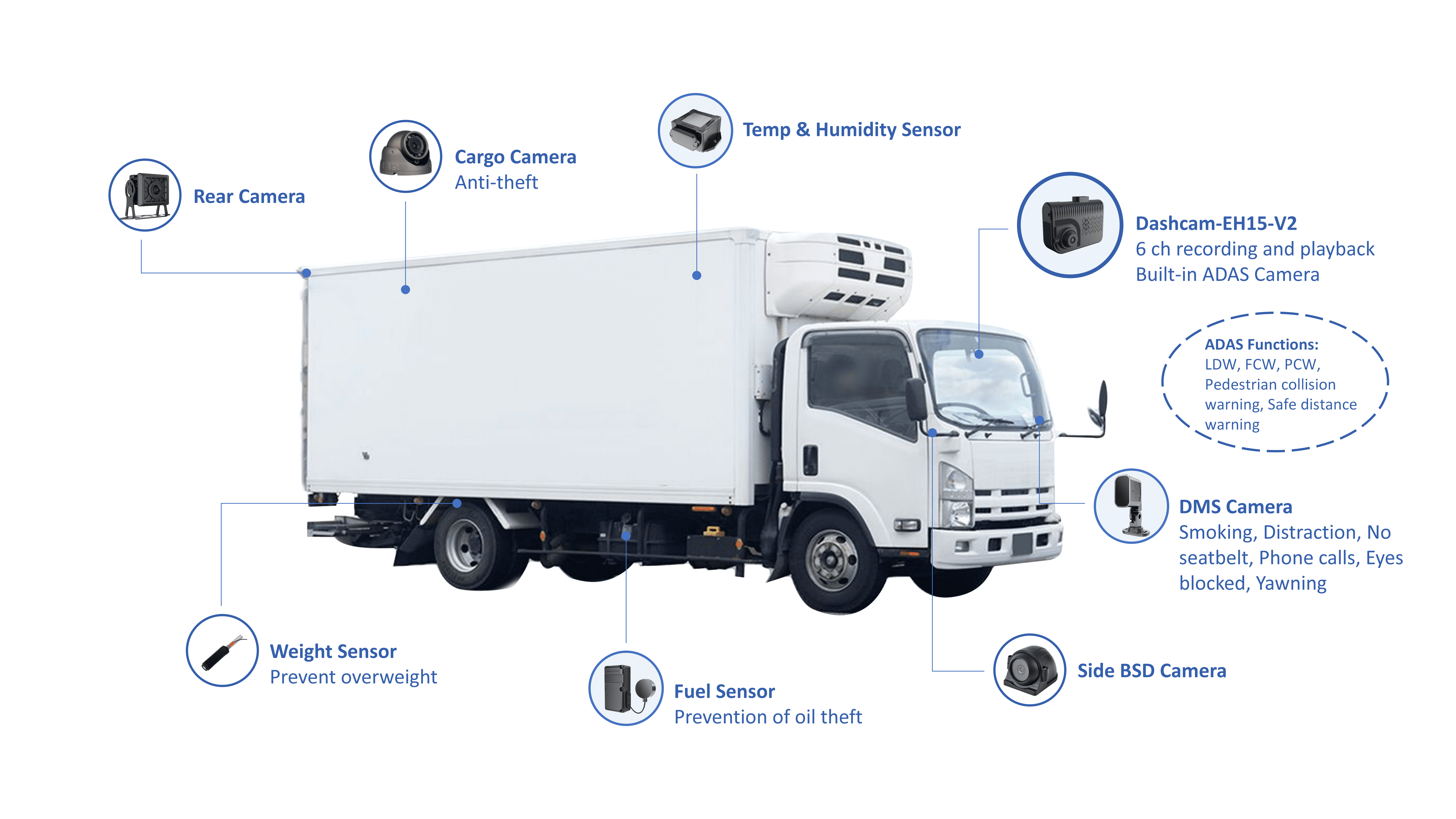
Implementation checklist — a problem-driven roadmap
Follow these steps in order:- Map critical assets and data flows tied to safety functions.- Define roles and least-privilege policies aligned to operations.- Specify technical controls: MFA, short-lived tokens, encrypted telemetry channels.- Require vendor proofs: signed firmware, audit logs, and SOC-like operational transparency.- Run tabletop exercises for compromise of a bus device, parent portal breach, and insider misuse.Complete each step and validate with logs and drills before broad rollout.
Synthesis and practical conclusion
Start by naming the specific problems you face, then eliminate options that don’t solve them. Implement layered access control, minimize retained sensitive data, and bake operational discipline into vendor relationships. Real systems that balance safety and privacy are grounded in these problem-driven choices; experienced teams, tested processes, and clear technical separations reduce both risk and response time. For districts that need a working model of segregation between telemetry, control, and parent-facing services, BSJ demonstrates how those elements fit together without adding operational burden.