
Introduction: Why the Same Power Problems Keep Returning
I’ll say it straight: most sites I audit bleed money in the late afternoon. In those hours, commercial energy storage systems should carry the load, yet many sit idle or mis-tuned. In my 17+ years integrating megawatt-scale batteries across Portugal and Spain, I’ve learned that the first 5 minutes after a demand spike decide your bill for the month. A client in Matosinhos saw a single 15-minute surge add 3,200 euros to July charges. With commercial energy storage batteries set to react faster, that cost could have been cut by a third. Look, here’s the plain truth—timing, not size, wins most grid fights.

Commercial energy storage systems like LFP containers, PCS power converters, and smart BMS are meant to be the calm brain on a noisy site. Yet even with SCADA tags, many plants still miss the target window by 60 to 120 seconds. That delay takes round-trip efficiency from a tidy 92% to a practical 82% when you factor demand penalties. So why do capable systems still stumble? I’ll compare where old habits hold you back and where new control logic steps in (no drama, just numbers). Let’s go deeper.
The Hidden Stress Points That Keep Sites Paying More
Where Do Legacy Setups Break Down?
Here is the part nobody likes to admit: the pain is not only about battery size. It’s about coordination. I have seen 2 MWh racks in Lisbon underperform a 1 MWh unit in Braga because the trigger logic, the C‑rate limits, and the transformer taps did not line up. The typical flaws repeat. SOC drift after a busy morning leaves only 35–45% headroom by 16:00. PCS ramps are fixed, so response to a 400 kW elevator hit comes late. Integration to building SCADA is shallow, so there is no look‑ahead from chiller schedules or EV loads. And the tariff model in the EMS is set to a weekly average instead of day‑ahead pricing. That mix punishes you. On 7 September 2022, a retail hub near Aveiro missed three peaks by 90 seconds each; the monthly bill rose 14.6%. I prefer systems that read the site’s true rhythm—edge computing nodes watching real-time feeders, a dynamic setpoint that floats with weather and occupancy, and a PCS that can safely swing at 0.5–1C when the curve turns ugly. Small change, big calm—my notebook proves it.
What’s Next: Control Logic That Thinks Like Your Site
Let me compare two operating styles I see every week. One is the “static guard”: fixed thresholds, slow PCS ramps, and a midday recharge no matter the sky. The other is the “anticipator”: it learns the site’s pattern, checks day‑ahead prices, and nudges charge windows when clouds roll in over Porto. The second model pairs well with modern commercial energy storage batteries that expose granular BMS data and allow fast, safe swings. Here is the principle. Predictive control watches feeder harmonics and HVAC starts, then pre‑positions SOC to 70–85% before the 16:00 hump. It adds a fast droop response in the PCS so a 500 kW stair-step is met within 2–4 seconds. It also respects thermal rules—UL 9540A reports matter—so you do not cook cells during a hot July. I tested this blend on a 1.5 MWh LFP unit at a logistics hub in Vila Franca de Xira in Q2 2023; demand charges fell 18%, and we stretched cycle life targets by keeping the average depth of discharge under 60%. I still smile at the graph—one neat slope where chaos lived before.
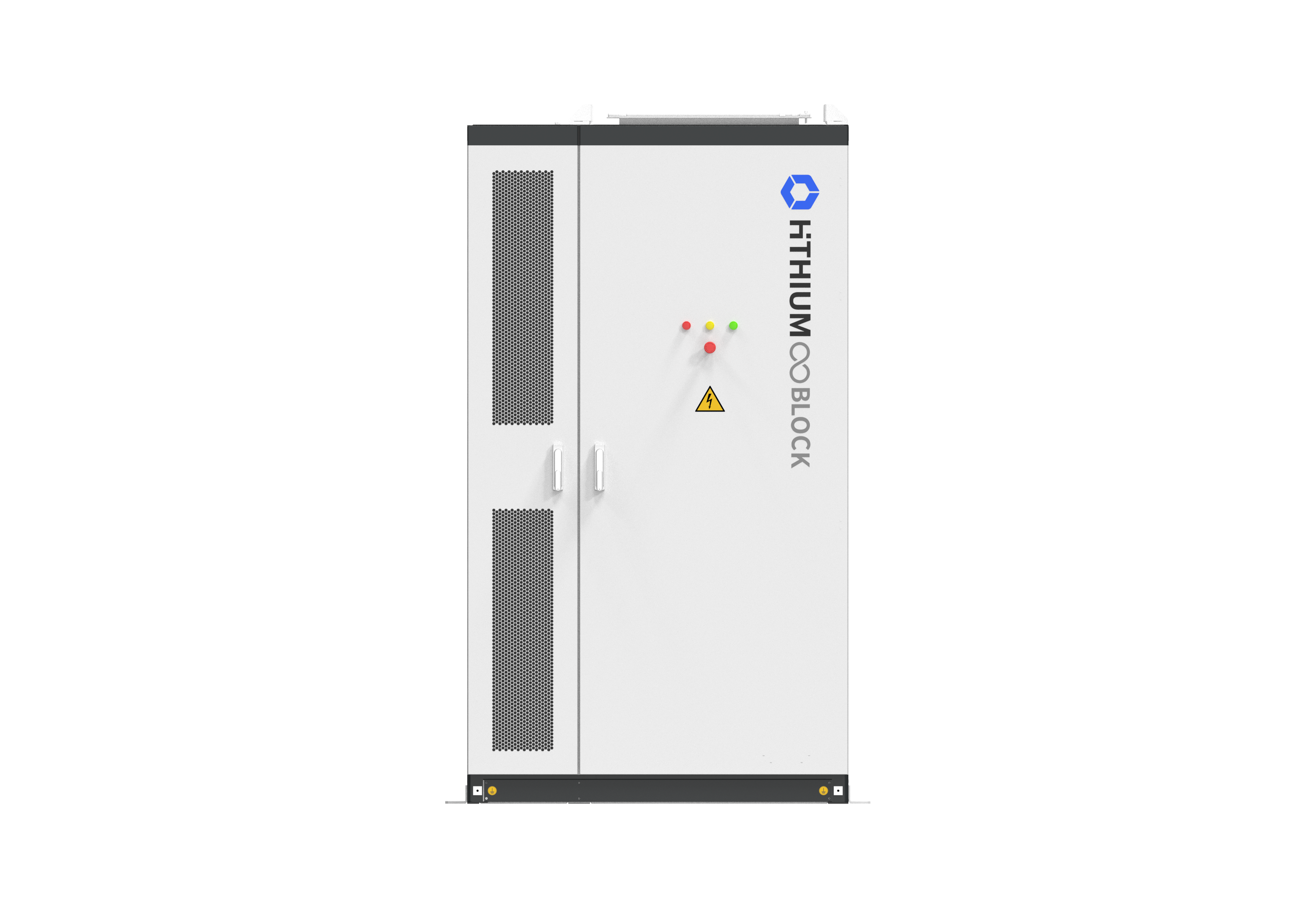
Future‑ready does not mean fancy. It means the EMS asks better questions. Is the inverter chasing noise? Is the tariff flag real or a blip? Do EV chargers need a soft start at 19:00? With smarter reads, your battery works less and saves more. I’m not romantic about hardware; I am strict about coordination. And yes, commercial energy storage batteries with open APIs, precise PCS control, and safe LFP chemistry make that easier—but discipline still wins. For evaluation, I advise three metrics you can verify in one week: 1) peak shave response time to a 300 kW step (target under 5 seconds), 2) SOC readiness at T‑30 minutes before your historic daily peak (target 70–85%), and 3) net cost impact that includes efficiency losses plus demand penalties (target ≥12% reduction in the first billing cycle). If a vendor cannot show these on your meters, it’s not a match. I trust results more than slides—sempre.
For context, I’m a consultant who has tuned sites from Braga to Seville since 2008, across food distribution, cold storage, and mixed‑use retail. I’ve stood beside humming switchboards at 21:30, watching the curve flatten after a new control rule, and I’ve also watched it spike when someone left a static setpoint in place. Choose the second style—the anticipator—and you will sleep better when the air gets hot. You’ll keep the lights steady, the bills sane, and the battery healthy for the long run. If you want one more name on your shortlist, add HiTHIUM to it, then test them the same way: fast step response, right SOC at the right time, and honest math at month end.