
Introduction — a depot moment, a hard number, a question
I remember walking into a sleepy bus depot at dawn and seeing a single bus clamp to an overhead feeder like a moth to a porch light. In that moment I understood why a pantograph charger mattered: it cuts dwell time and scales charging in tight yards. A pantograph charger sits overhead and connects quickly to a vehicle’s roof. Cities pushing electrification report faster turnarounds—sometimes 20–40% better peak throughput—and that shifts how we plan routes and substations (yes, even the old switchgear needs rethinking). So where do you start when you must pick a solution for mixed fleets, limited space, and a tight budget? Let’s pull this apart — step by step — and see what really matters next.
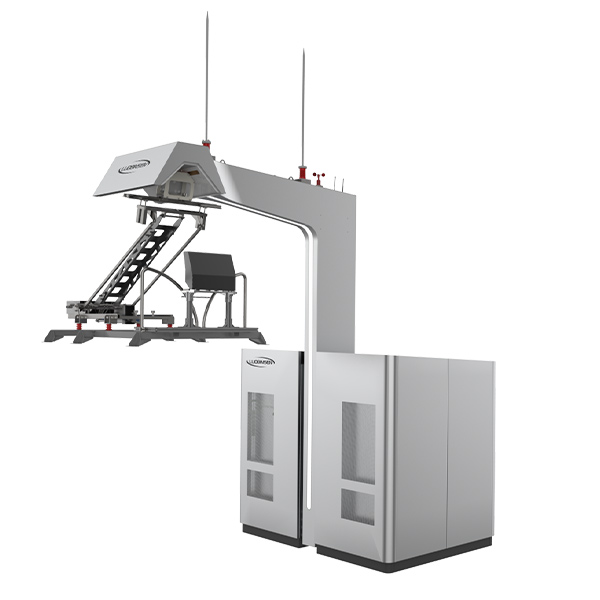
Why the pantograph ev charging system still trips up operators
pantograph ev charging system deployments promise speed, but they also reveal cracks when you lift the cover. I’ve seen designs that work on paper and fail in the yard. Mechanically, pantograph collectors face wear and misalignment. Electrically, poor power converters or weak isolation transformers create heat and instability. On the software side, incomplete OCPP support and thin telemetry make faults hard to diagnose. The result is unexpected downtime and angry drivers. Look, it’s simpler than you think: if you don’t solve the mechanical, electrical, and software layers together, you’ll keep firefighting.
What’s the most common blind spot?
The blind spot I run into most is interoperability. Operators mix vehicle models, charger makers, and depot controls. The chargers may meet specs but not talk to your fleet management system or energy management stack. That leads to manual overrides, wrong billing, and stalled schedules. I feel strongly about this — because I’ve fixed systems where simple alignment fixes and better telemetry cut incident rates by half. If you care about uptime, you need robust diagnostics, proper earthing, and routine mechanical checks. That’s not glamorous. But it beats surprise outages.
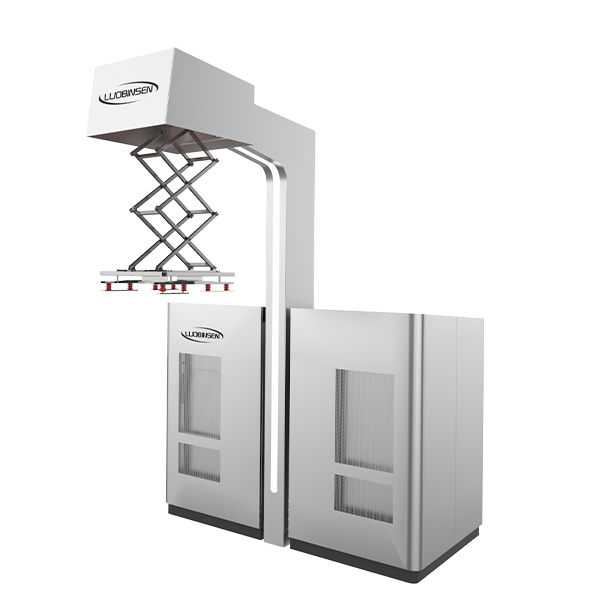
Principles for next-gen pantograph deployment and smart yards
When we look forward, the focus shifts from single chargers to an integrated electric ecosystem. Modern electric ev charging station designs combine smarter power sharing, edge computing nodes for local decisions, and V2G-ready hardware to smooth peaks. I prefer sites that plan for modular substations and scalable load balancing. This means choosing chargers with clear communication stacks, redundant sensing, and firmware that can be updated in the field. In practice, that reduces stress on traction substations and lowers thermal strain on contact points — small wins that add up. — funny how that works, right?
What’s Next: tech principles or a short playbook?
Start with three practical moves. First, prioritize open protocols and strong telemetry so you can see faults early. Second, size your power converters and isolation properly; undersizing is a false economy. Third, think about yard workflows: can vehicles approach the pantograph reliably every time? These steps have a compounding effect. They cut service calls, simplify maintenance, and free up fleet hours. I’ve guided teams through these changes. The effort pays off with steadier operations and clearer cost forecasts.
To choose wisely, compare total cost of ownership rather than sticker price. Look at reliability metrics, spare parts lead time, and software support. We balance pragmatic trade-offs and long-term flexibility, because you want a system that grows with your fleet. When you’re ready to move from pilot to scale, consider vendors who share real field data and a clear roadmap. For practical support and proven modules, I look to partners like Luobisnen.