

Introduction: Why some pumps glide while others grind
You’re mid-shower, hands soapy, and the pump sticks. Again. A tiny pause breaks the flow, and the product feels cheaper than it is. The pet pump bottle seems simple, but it’s a small machine with moving parts. Recent audits suggest a surprising share of consumer complaints in personal care trace back to poor pump function, not the formula itself—messy, right? If small engineering choices drive big user feelings, what actually decides whether a pump is smooth, clean, and consistent? And how do those choices show up in daily use?
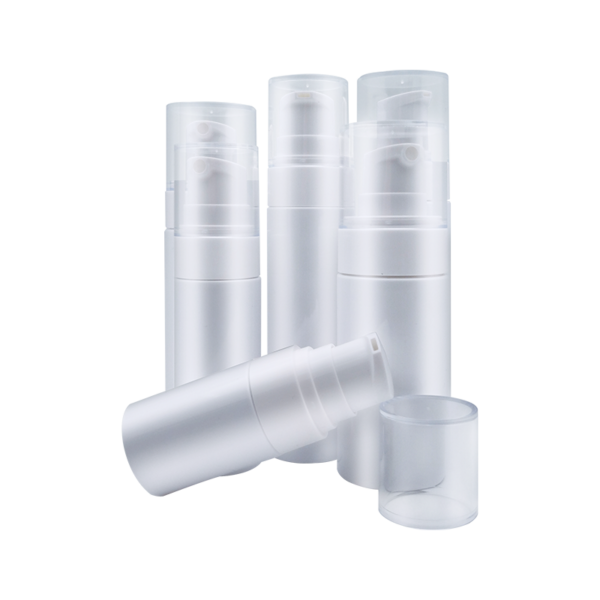
Let’s set the scene with numbers. In sample runs, a 10% shift in spring force or a mismatched neck finish (say, 28/410 vs 24/410) can spike leak rates and lower dosing accuracy. That’s before we even talk viscosity or actuator travel. So the core question lands: which design and material picks truly influence performance, and which are just spec-sheet noise? (Hint: the dip tube matters more than you think.) Buckle up—we’ll unpack what to watch, what to avoid, and how to compare options the smart way.

Part 2: Hidden pain points when choosing a pet pump bottle supplier
What keeps going wrong?
Working with a pet pump bottle supplier often looks straightforward on paper. Yet the friction shows up after launch. The first pain point is spec drift: a pump tuned for low-viscosity serum gets paired with a thicker lotion, and dosing accuracy collapses. Then come thread issues—torque is set for one neck finish, but a small tolerance shift turns into micro-leaks. Add in inconsistent spring rates across batches, and the actuator feel changes week to week. The result: returns, rework, and brand fatigue. Look, it’s simpler than you think—most problems trace back to three spots: viscosity matching, neck/closure compatibility, and check valve stability under transport shock.
Traditional fixes miss the root. Teams swap out the pump head without checking the dip tube cut angle or backflow prevention valve. They change PET resin grade but ignore how the closure’s PP body expands in heat, shifting seal pressure. Quality gates focus on visual defects, not compression set on gaskets. And no one simulates upright vs. inverted storage—funny how that works, right? A technical reset helps: validate spring force across temperatures, match dip tube length to fill height, test actuator travel for hand feel, and run compatibility testing for fragrance oils that might swell seals. Those four steps kill most post-launch drama.
Part 3: What’s next—principles for smarter, future-ready pumps
Real-world impact
Moving forward, the best gains come from new technology principles rather than last-minute swaps. Think modular pump platforms with tunable actuator travel, where spring force and orifice size adapt to viscosity bands. Add digital torque monitoring at capping lines, so the closure hits the sweet spot every time. And build parametric models: dip tube length, cut angle, and fluid rheology feed into the dosing curve before tooling starts. When brands source through pet pump bottles wholesale, this approach makes scaling stable—batch after batch. It’s semi-formal engineering, yet it translates into simple wins: fewer leaks, same dose per stroke, better hand feel.
Compare the old and new. Old way: pick a catalog pump, hope the 28/410 finish fits, tweak the formula to “flow better,” and accept clogging as normal. New way: model the check valve response, choose an actuator suited to target travel force, confirm OTR isn’t compromising fragrance, and run transport drop tests with filled units. Small but real upgrades: less air entrainment, tighter priming time, cleaner shutoff. The funny part—tight process makes the user experience feel effortless. That’s the whole point.
Advisory close: When evaluating solutions, measure three things. One, dosing accuracy over temperature ranges. Two, seal integrity under torque variance (with the actual bottle, not a lab proxy). Three, actuator feel consistency across production lots. Do that, and your pump stops being a gamble and starts being a promise—every press, every time. For deeper specs and sourcing context, see NAVI Packaging.