Introduction: Set the Scene, Read the Signals
Here’s the blunt truth: the crowd doesn’t remember the playlist if the room doesn’t look alive. The DJ laser light is the fastest way to turn a flat room into motion. In a Hong Kong rooftop set—humid air, light haze, bass rolling—visuals can lift perceived energy by 30–40%, according to venue managers and rental houses. That’s why many teams search for the best DJ laser lights before the weekend, not after. But the data hides a twist: shows fail less from “not enough watts” and more from mismatched scan rate, beam coverage, and timing jitter across zones. So the real question lah: are you optimizing beams for the room, or just adding brightness and hoping?
Direct take (no fluff): most rigs push brightness and presets, yet ignore beam divergence, galvanometer limits, and safety zoning. Then the vibe drops. — funny how that works, right? We’ll map the gaps, show the tech that fixes them, and give you simple checks you can run in soundcheck. Onward to the root of the problem.
Traditional Fixes vs Real Pain Points
Why do common setups fall short?
Look, it’s simpler than you think. Many setups rely on DMX512 macros or audio-reactive modes to “auto-sync” the show. But two things kill immersion: unstable scan rate at wide angles, and lazy beam geometry. When galvanometers push too wide with low kpps, patterns bend, flicker, or smear across the haze. Beam divergence grows, so lines lose that crisp “knife” look—especially beyond 12–15 meters. Add cheap power converters and poor thermal headroom, and you get drift after 20 minutes. The crowd reads that softness, even if they can’t name it. Also, the room layout matters: low ceilings need tight zones and attenuation maps, not brute-force power. Without per-zone safety interlocks and optical alignment checks, you end up dimming everything “just to be safe,” which dulls the show.
Hidden pain points stack up backstage. Operators juggle ILDA files, last-minute stage moves, and cabling mini-nightmares. If the control chain adds latency, cues miss the drop by a beat. If fixtures lack encoders for closed-loop feedback, there’s no way to keep shapes consistent across the night. And when playlists change, presets don’t adapt. You need fast edits at the edge—small control nodes near the rig—to remap patterns to the actual crowd shape. Without those edge computing nodes, it’s guess and hope. The result? Too bright when it should be tight. Too wide when it should be laser-precise. Pretty, yes; persuasive, not always.
Comparative Leap: New Principles, Real-World Edge
What’s Next
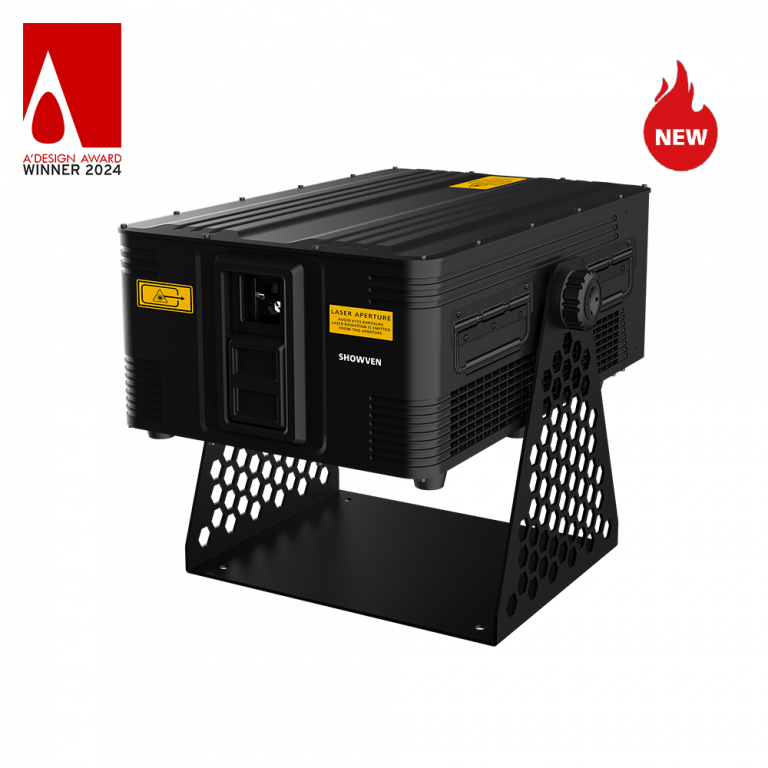
Time to shift from “more power” to “smarter power.” The modern baseline pairs solid-state RGB diode modules with closed-loop galvanometers, encoder feedback, and calibrated beam tables. That unlocks consistent scan quality at useful angles. Layer in per-zone attenuation maps and real-time safety interlocks, and you can run bolder looks without risking the audience sightline. Add an edge controller that crunches geometry locally and the show stays tight even when the booth shifts tempo or the stage plot changes (happens every festival, la). Using Art-Net or ILDA over network, plus low-latency timing, you get cues that land where the beat lives. Drop in a pro-grade DJ laser with efficient cooling and stable power rails, and thermal drift stops stealing your sharpness.
Compare that to the old stack: audio-reactive chases, wide-open beams, and no zone logic. The new approach uses predictive control—precomputed pathing that respects scan rate, with quick overrides for on-the-fly edits. It’s not sci-fi; it’s smart mapping plus fast feedback loops. Even small rooms gain because beam density fits headcount and ceiling height, not just wattage. — funny how that works, right? To choose well, keep it practical: measure scan rate at 8° (e.g., 30–40kpps at ILDA standard), check beam divergence under 1.2 mrad full angle, confirm safety layers (interlock, zone masks, attenuation maps), verify end-to-end latency under 20 ms, and ensure the power converters and cooling hold spec for a full set. Do that and your cues will feel tighter, brighter, and safer. For credible engineering and field-tested builds, see Showven Laser.