
Introduction — why this matters now
Have you ever wondered why a simple metal bracket can cost so much time and so many revisions to produce? The short answer ties back to how machines talk to operators, how shops measure quality, and—frankly—how we plan for change. CNC machining center manufacturers sit at the heart of that puzzle; they design the tools, the control systems, and the workflows that determine whether a job is quick and clean or long and fraught with rework (and wasted material).
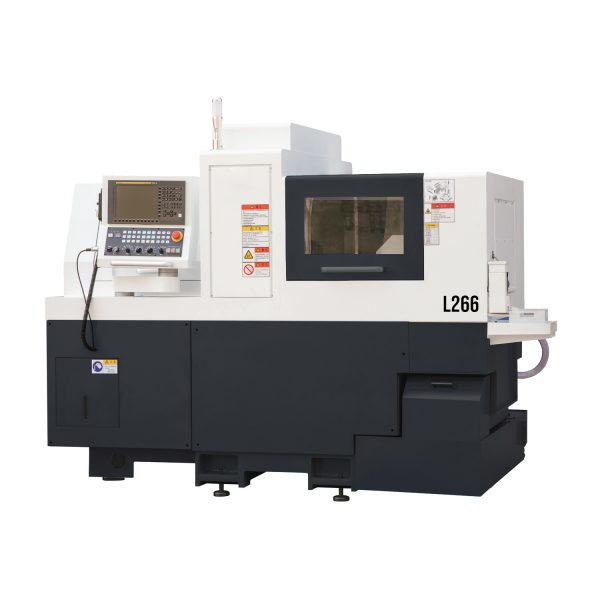
Today, shops report that cycle time variability can eat 10–30% of an order’s margin, according to recent shop-floor surveys — and emissions and scrap are rising as volumes tighten. So my question to you: are current machine designs solving those gaps, or just shifting problems downstream? I’ll walk through what I see on the shop floor, what breaks in practice, and what matters when you evaluate a new system. — Let’s dig in and compare real choices.
Part 2 — Where conventional solutions fail: a technical look
cnc machining center for sale often promise speed and accuracy in the spec sheet, but the real delivery depends on integration: motion control, spindle tuning, and the way the machine handles tool changes. I’ve watched teams buy machines for spindle speed and advertised axis counts, only to find throughput limited by long tool changer cycles and mismatched servo drives. Look, it’s simpler than you think: specs matter less than system balance.
What breaks first?
The typical failure points are predictable. First, tool changer delays create micro-stops that accumulate into lost hours. Second, poor feedback between the controller and edge computing nodes — or even older PLCs — means adaptive feeds and speeds never kick in, so parts get over-machined or nicked. Third, power converters and cooling systems are often underspecified for real-life duty cycles, so thermal drift sabotages tolerances over a shift. I’ve seen shops chase tighter tolerances by reworking fixturing rather than addressing these root causes — and that’s costly and demoralizing.
Part 3 — Looking forward: principles and practical metrics
Moving from problems to solutions, I favor explaining core principles rather than chasing buzzwords. Start with control-layer clarity: open communication between the CNC controller, tool changer, and condition monitoring (vibration sensors, spindle load). Modern designs that embed edge computing nodes near the servo drives can react faster to tool wear and maintain spindle speed under load. That’s not magic — it’s better signal, and it saves a lot of cleanup work later.
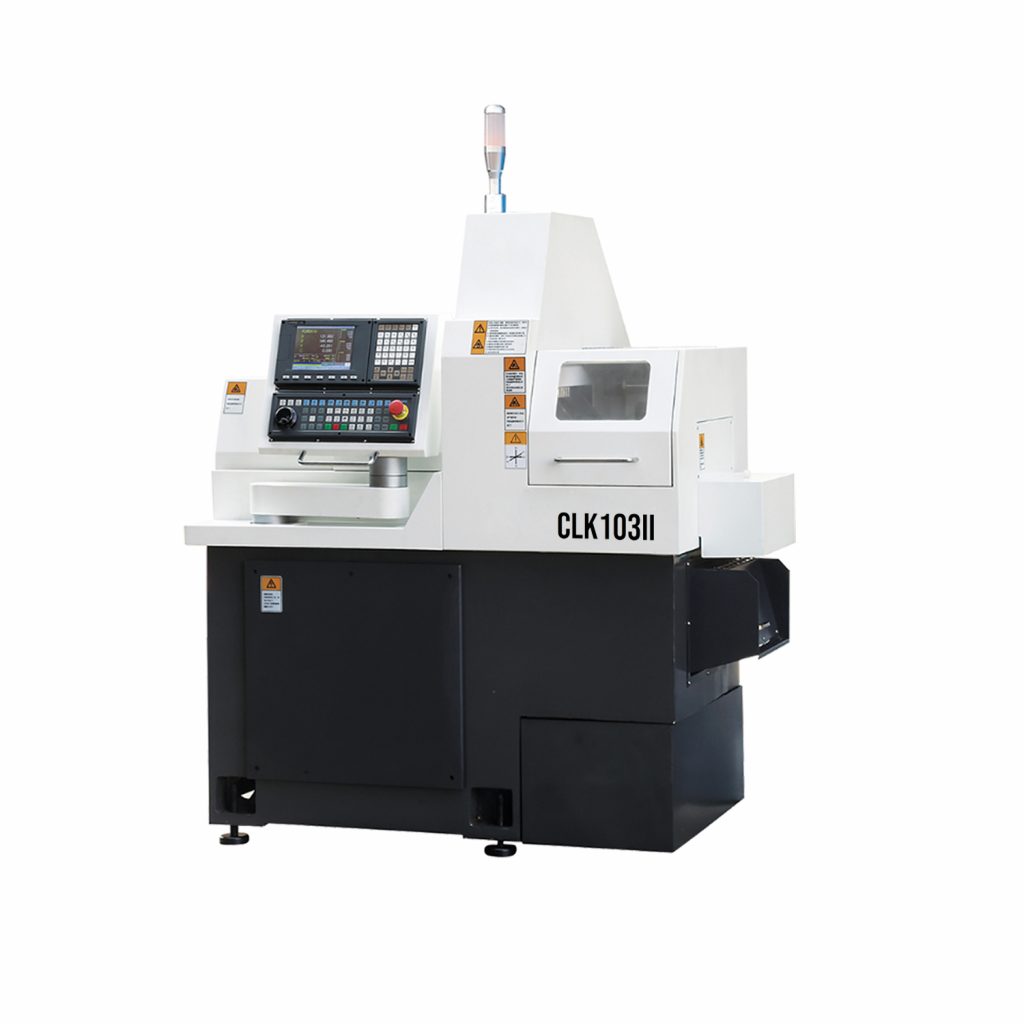
Second, plan for thermal management and realistic duty cycles. Machines rated on short tests often fail when a production schedule stacks up multiple long-run parts; power converters and cooling must be rated for that. Finally, think about serviceability: modular components (servo drives, spindle modules) and clear diagnostic readouts cut repair windows in half — which matters more than a single peak speed number.
What’s next for buyers?
When you evaluate options, I recommend three clear metrics: uptime under real-load cycles, integrated adaptive control capability, and mean time to repair for key assemblies. Those tell you more than peak feed rates. I say this from spending long nights troubleshooting machines with teams — and from seeing the relief when diagnostics finally point to the real culprit like a worn spindle bearing, not a CAD error. — Honest fixes beat flashy specs every time.
To wrap up: compare systems on how they handle real work, not how they read on a brochure. Measure the whole line — control logic, tool changer performance, thermal stability — and prefer machines that make diagnostics simple for your technicians. If you want a place to start evaluating concrete options, check manufacturers and models with clear service documentation and modular electronics. For practical sourcing and more technical choices, I often point folks to Leichman — they list machines and specs in a way that helps you test against those three metrics above.