
Introduction: Street Reality Meets Weekend Distance
Speed without control is only noise, not progress. In the everyday rush, a sport cruiser motorcycle must slip through narrow lanes at noon and stay planted at dusk on the ring road. Many riders now search for sport cruiser motorcycles that balance muscle and manners, because the city asks for agility while the highway asks for calm (two masters, one machine). Data from dealer surveys shows most urban owners ride under 40 km per day, but at least 30% plan a 200–300 km weekend loop each month. Yet, complaints persist about hot legs, wrist fatigue, and vague turn-in. So the question stands: what actually closes the gap between spec-sheet promise and seat-of-pants truth? We will speak clearly, like an engineer but also like a neighbor. We will look at torque curve behavior, rake angle and trail, and even the ABS modulator logic—simple words, honest tests. Transitioning from the numbers to the street is not magic—it is method. Let us move forward to examine where comfort and control quietly leak away, and why the obvious fix is not always the effective one.

The Quiet Frictions the Spec Sheet Hides
Why does comfort fade after 50 km?
Riders often blame “wind” or “seat,” but the deeper source is load balance over time. Low bars plus forward pegs concentrate weight on palms; after 50 km, the trapezius starts to shout—funny how that works, right? A friendly torque curve at 3–5k rpm masks short final-drive gearing that forces extra shifts in town. Heat soak builds around the rear cylinder and the cat; your calf feels it at each red light. On paper, the figures look fine. On the street, micro-oscillations in the handlebar at 70–80 km/h (a narrow vibration band) create hidden fatigue. The spec sheet rarely mentions the resonance map, only peak output.
Electronics can help, but only if tuned for mixed use. Ride-by-wire that is sharp in Sport mode may hunt in low gears unless the ECU mapping smooths initial throttle angle. A slipper clutch eases downshifts, yet a heavy spring can still tire the left hand in stop-go corridors. Look, it’s simpler than you think: set sag correctly, check fork preload, and match tire carcass stiffness to wheel weight. But also ask about the CAN bus strategy for traction control at small throttle openings, because rough intervention breaks flow in tight corners. The biggest pain point is not speed. It is repeatable ease—mile after mile.
Comparative Insight: New Tech Principles That Actually Change the Ride
What’s Next
Hardware geometry will always matter, but modern control layers now shape the ride hour by hour. A six-axis IMU feeds cornering ABS and lean-sensitive traction control; when calibrated well, it supports sloppy surfaces without cutting power too early. Semi-active damping is entering this segment, adjusting rebound as the chassis loads up—so the bike stays neutral when you brake, turn, then roll on again. The logic is simple: measure fast, respond faster. Think of it like a traffic officer for your suspension. Pair that with a clean torque curve and a calm crank counterbalancer and you get less arm pump, plus steadier lines. When you test any sport cruiser bike, note how the ECU handles the first five degrees of throttle, because that is where city smoothness lives. Then, at 120 km/h, feel if the chassis holds its angle without steering correction. If you are not making micro-fixes, the system is working.
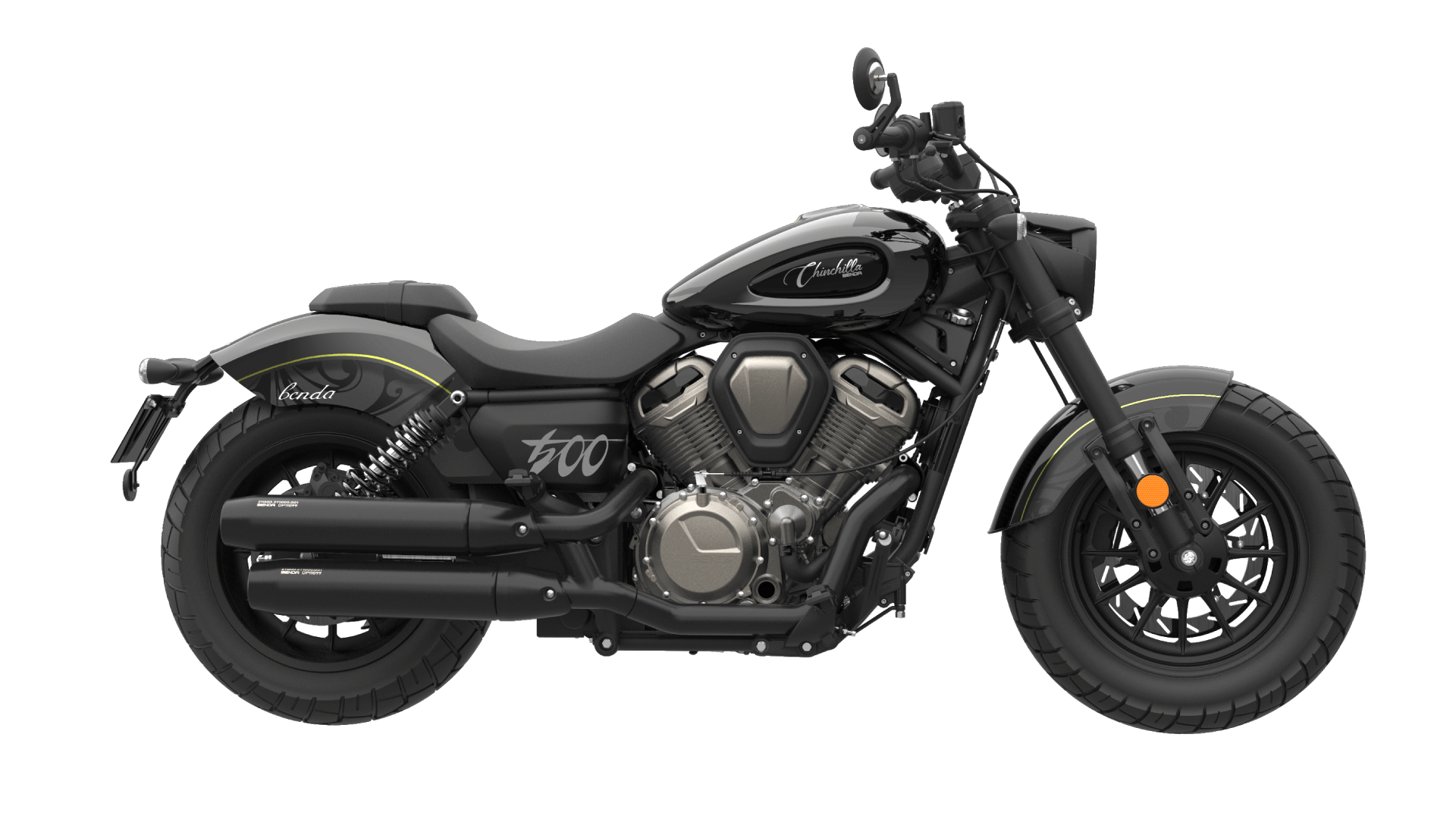
Future outlook grows brighter—and more honest. Manufacturers are building heat shields that vent away from the rider, revising seat foam density by zone, and trimming unsprung mass with lighter wheels. Quickshifters get better at low rpm through smarter cut times. Cornering lights improve vision at roundabouts. Even small steps like refined gear ratios reduce shifting in dense traffic. In effect, the next wave is not raw power; it is orchestration. Summing up our earlier notes: ride posture must distribute load, fueling must be clean at small openings, and thermal control must protect the rider at lights. To choose well, use three clear metrics. One, sustained torque at 3–5k rpm under roll-on—no surging. Two, the triangle fit: seat-to-peg drop and bar reach that you can hold for two hours. Three, thermal comfort at idle on a 30°C day, measured at the calf and inner thigh—no hot spots. Keep these, and you will ride longer with fewer surprises—your spine will thank you. For reference and deeper exploration, see BENDA.