
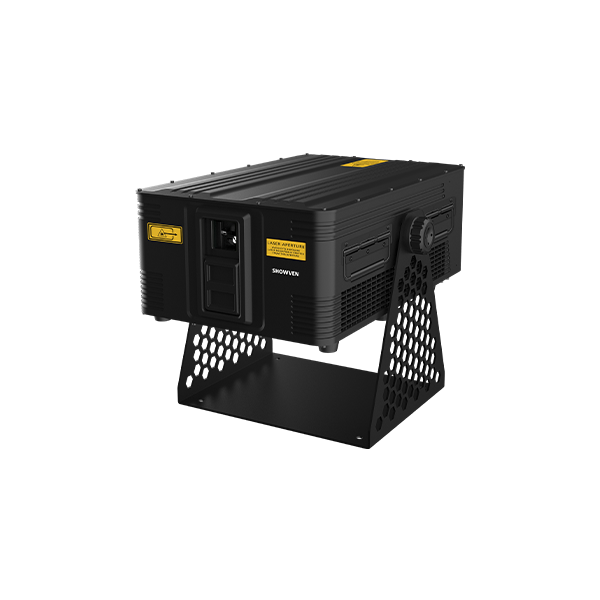
Introduction: When the Skyline Becomes Your Canvas
Here’s the hard truth: big shows fail for small reasons. The second you power a sky laser, the margin for error shrinks. Teams race the clock, crews juggle cables, and budgets bleed. In real sites, setup friction can swallow a third of your schedule, and rework doubles at night when visibility drops. You feel it in your gut and in your timeline. But what if the real problem isn’t the team, but the choices baked into the gear (and the process)? Are you asking the right questions about beam stability, thermal headroom, and control paths—or just hoping the rig will behave?
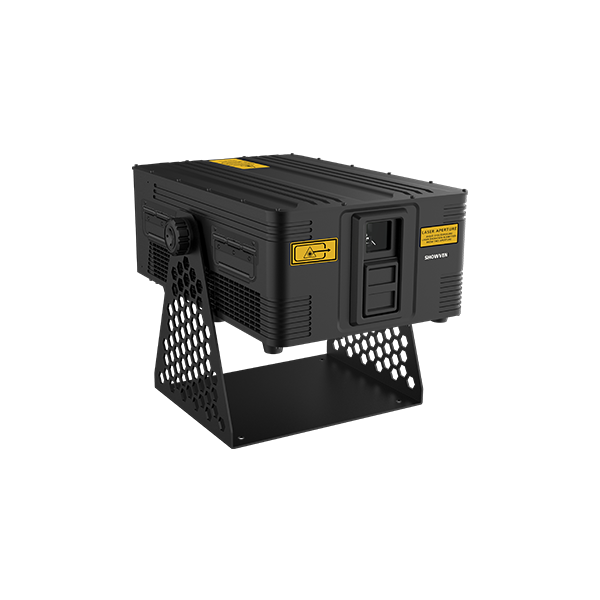
Direct talk helps. If you’ve watched patterns drift, seen fog thin at the worst time, or had power converters trip under load, you know the stress. You also know the fix is not another checklist; it’s a system rethink. So let’s cut through the noise—fast—and frame a smarter way to plan, spec, and deploy. Next, we break apart the most common failure points and find leverage.
Inside the Sky Laser Factory: Fixing the Flaws You Don’t See
Walk the line in a modern sky laser factory and patterns emerge. Legacy rigs lean on manual optical alignment and analog gain tweaks. That invites drift. Look, it’s simpler than you think: when beam divergence isn’t measured at full power, your pretty test line turns into a fat streak in the sky. Galvanometer scanners whine because firmware chases heat. Edge computing nodes are missing, so field control can’t adapt to wind, haze, or power sag in real time. The outcome is predictable—flicker, jitter, and safety zones that wobble. You can call it “character,” but audiences call it messy.
Why do classic fixes fall short?
They treat symptoms. Bigger fans fight heat but ignore thermal management at the driver level. “More gain” hides poor optical alignment and low-grade lenses. IP65 enclosures stop rain but trap heat near the diodes. And when power converters age, voltage ripple sneaks into the scanners and you see it as micro-wobble. Add a control path stuck on old DMX with slow feedback and you’re blind to fault states. Technical bottom line: without tight loop control, calibrated beam profiling, and robust galvanometer control, you can’t hold a clean line at scale. The fix is design-first, not technician-last.
Comparative Outlook: Principles That Will Rewire Your Next Build
What’s Next
The shift is already here. New systems push intelligence to the edge, pairing sensors with small processors at the head. That lets the rig correct for drift and heat before your eye can spot it—funny how that works, right? Predictive thermal management maps diode temperature to duty cycle, not just fan speed. Solid-state beam shaping trims beam divergence without stealing brightness. Fiber-coupled diodes simplify alignment and make maintenance sane. When you spec a laser for building features into your skyline plan, compare real scan accuracy at speed, not brochure speed at zero load. And ask how the firmware throttles under sagging mains, not just when life is perfect.
This isn’t hype; it’s practical. You learned that old fixes fight symptoms. Now favor architectures that prevent them. Choose heads with integrated edge computing nodes for on-site adaptation. Look for PWM drivers that smooth ripple from aging power supplies. Validate the galvanometer scanners under haze and wind, not only in a lab. And yes, plan the enclosure: IP65 is great, but airflow paths must keep heat off optics. In comparative tests, systems that closed the loop—optical feedback, thermal telemetry, smart power stages—kept lines tighter, used less rework time, and reduced technician interventions by a weekend’s worth of hours. That’s why the right laser for building shows up as fewer late nights.
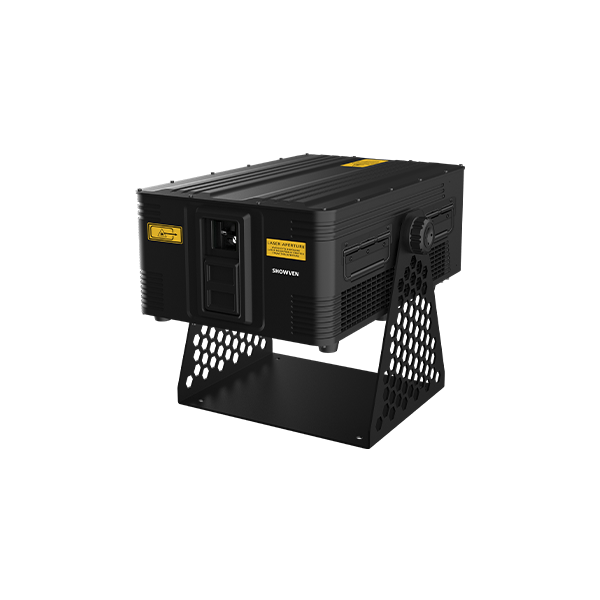
Before you spec your next rig, use three metrics to stay honest: 1) Measured beam divergence at full output and at distance (not just at 10 meters); 2) Thermal headroom across a 35°C ambient with continuous duty cycle, including how the system derates; 3) Control resilience—latency and fault recovery across Ethernet and DMX, plus MTBF for power converters and scanners. Score each, compare apples to apples, and pick the platform that wins on data, not vibe. Keep it simple, keep it testable, keep it safe—and keep your skyline clean. Showven Laser