
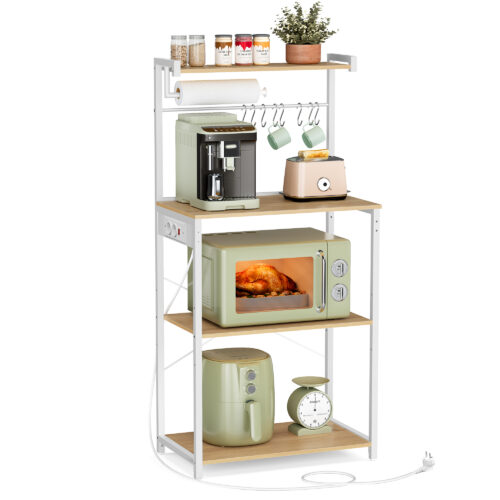
Introduction: A Clear Path Through the Clutter
Picture a busy café at 6 a.m., trays stacked high, and a new rack wobbling on day one. Across kitchen racks manufacturers, schedules look tight and standards look strict. Yet returns spike after peak seasons, and restock times stretch from days to weeks—one audit pegged avoidable rework at nearly 18% of total lead time. Choosing a kitchen rack supplier should not feel risky, or rushed. So why do so many teams accept dents, uneven welds, and mystery alloys as “normal”—even when they see the signs? And how do you protect your flow without padding budgets or timelines?

Let’s start simple and stay practical (we’ll keep the jargon light). I’ll walk you through where issues hide, what data to ask for, and which steps prevent costly missteps. Then we’ll look at what’s changing—faster, cleaner, smarter—so your next order lands right the first time. Onward to the real friction points.
Part 2: The Hidden Friction in Buying Racks
Where do “good enough” racks go wrong?
Most teams lean on familiar fixes: thicker tubing, extra braces, or a rushed second coat of paint. Look, it’s simpler than you think. These patches mask root causes. The first issue is material clarity. If the bill of materials doesn’t state stainless grade 304 vs 201, you can’t predict corrosion resistance in a wet prep line—funny how that works, right? The second issue is finish discipline. Powder coating without proper phosphate pretreatment peels under steam. You need the process sheet, not just a color chip. And the third is structure. Without load testing and basic tolerance stack-up checks, a rack that stands straight empty will twist under moving loads.
There’s more. Traditional buys skip upstream visibility. No weld integrity data, no salt-spray hours, no gauge control on wire baskets. You get a pretty sample, then production drifts. Even packaging is a culprit—insufficient corner guards lead to micro-dents that become stress points. A dependable partner fixes this with simple controls: QC audits tied to lot numbers, first-article reports, and barcoded components that match the drawings. Add a modest SKU rationalization, and uptime improves because replacement parts actually fit. It’s not magic—just better habits backed by measured checkpoints.
Part 3: Comparative Insight—What Better Looks Like Next
What’s Next
Here’s the shift. Old-school sourcing judged by price and a sample is out. New practice blends design-for-manufacture with traceable process data. A capable china kitchen steel storage rack manufacturer will show you new technology principles without fanfare: jigged welding with fixture pins to control warp, inline pull tests on spot welds, and powder coating lines with real-time temperature logs. Some add finite element analysis on shelf grids to tune rib geometry before cutting steel—fewer surprises, fewer do-overs. Even simple sensors make a difference. Temperature probes in curing ovens, torque records on casters, and barcode scans that link each batch to its salt-spray results. Small tools, big certainty.
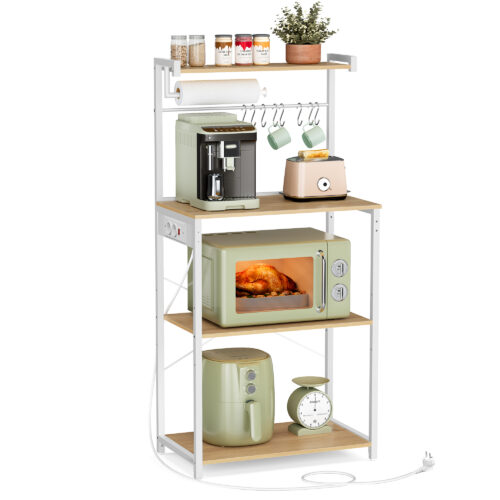
Comparing partners gets clearer with data. Ask how they prevent drift during scale-up. Do they run pilot lots? Can they share Cp/Cpk on critical dimensions like post roundness or caster stem fit? Do they document anti-corrosion steps and carton drop tests by weight class? When a china kitchen steel storage rack manufacturer answers with dated reports, fixture photos, and heat map charts, you see the difference. It’s a calmer way to buy—fewer emails, faster customs clearance, and racks that roll straight on day 300, not just day 1. And yes, even simple ERP integration helps your team track lots and schedule reorders—because less guessing means fewer emergencies.
To wrap this up with something you can use today, choose with three checks. 1) Process evidence: load testing videos, weld pull data, and salt-spray hours tied to your SKUs. 2) Material truth: certifications for stainless grade (304/201) or galvanization thickness, plus powder coating chemistry and cure logs. 3) Stability at scale: pilot-run metrics, packaging drop results, and a corrective-action loop that closes within days—not weeks. Do these, and you’ll cut returns, shrink lead-time buffers, and keep kitchens calm—and that calm is worth more than a discount. For steady, well-documented collaboration, consider partners who publish their build rules, like SONGMICS HOME B2B—because transparent methods outlast trends.