Introduction — a quick scene, some numbers, and the question
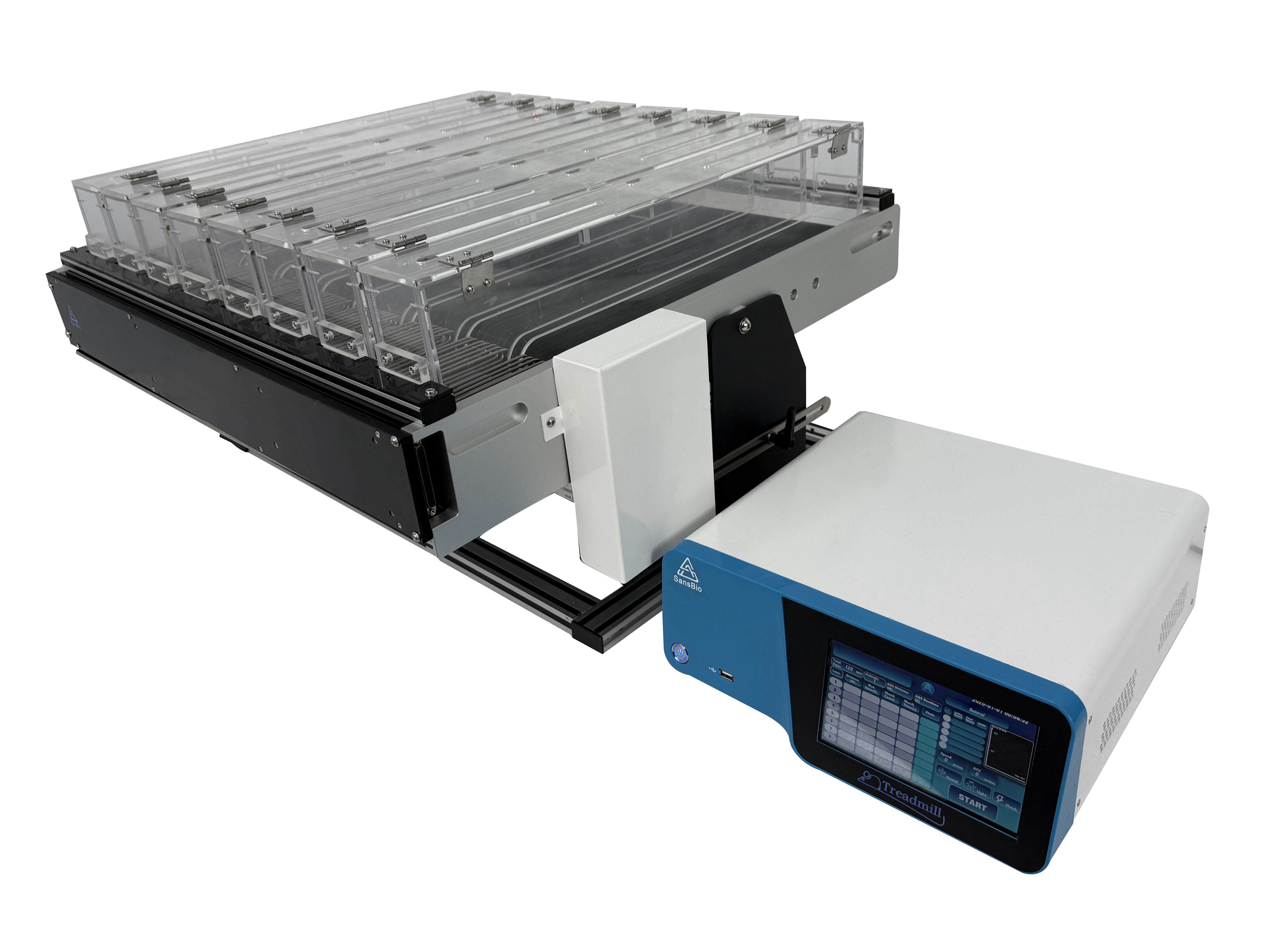
I remember the first time a mouse stopped mid-run and stared at the treadmill like it had lost the map. We were using a mouse treadmill to collect gait data, and the session time dropped from a calm five minutes to two short bursts (I felt the frustration—been there). In a few lab runs I tracked, active run time fell by roughly 20–40%, and the sensor logs showed spikes that didn’t match behavior. So what caused the slowdown — hardware, software, or the animal itself?
I want to walk you through what I’ve learned as someone who watches these sessions closely: common fault signs, what they mean, and how to spot them early. Think of this as a parenting guide for your experiment setup—gentle, practical, and direct. Next, I’ll peel back one level to show why the usual fixes can miss the real problem.
Digging Deeper: Why standard fixes often miss the mark
rat treadmill systems seem straightforward, but I’ve found many teams patch the symptoms instead of the source. Look, it’s simpler than you think: a noisy force sensor or a mis-tuned velocity control loop can mimic behavioral change. When you see odd logs, the knee-jerk fix is to recalibrate the animal handling routine. That helps sometimes, but it doesn’t address hidden hardware drift, firmware timing slips, or poor power stage design.
What usually goes unnoticed?
Two issues stand out. First, mechanical wear and slight misalignment alter treadmill belt tension. That changes the feedback the force sensors send. Second, control firmware—timing of the servo motors and ADC sampling—can drift after many cycles. I’ve measured tiny timing offsets that shifted step-phase detection by milliseconds; that’s enough to skew stride metrics. Add in under-rated power converters that sag under load, and you get inconsistent speed profiles. These are not always obvious from a routine check—yet they make the data noisy and ruin repeatability. We need to look at the device as an integrated system: sensors, actuators, power, and firmware together.
Looking forward: principles for better treadmill reliability
For future-proofing a rat treadmill, I favor a principle-first approach: design for observability, robustness, and graceful failure. Observability means you log not just final metrics but raw sensor streams, motor commands, and power rail voltages. Robustness means hardware choices—higher margin power converters, sealed bearings, and real-time capable controllers—so the system tolerates small faults. Graceful failure means the system detects anomalies and either alerts you or slows down safely rather than corrupting data. These ideas take a bit more work upfront, but they cut down on wasted runs later—funny how that works, right?
What’s Next
Practically, I recommend three evaluation metrics when you compare solutions: 1) sensor fidelity under repeat load (how stable are force and motion readings after 1,000 cycles), 2) control-loop latency and jitter (milliseconds matter), and 3) power stability under peak draws. Measure these in a real test, not just on a spec sheet. If a device misses on one, consider whether software compensation will mask deeper issues or simply hide them until they fail. I’ve seen teams spend weeks chasing data artifacts that a short stress test would have revealed.
To wrap up: prioritize observability, pick components with margin, and verify control timing. Those three moves will save you time, keep your subjects comfortable, and make your data credible. For reliable equipment and service, I often turn to vendors I trust—see BPLabLine for options that balance practicality with quality.